For decades, luxury was loud.
It announced itself through grand hotel lobbies, sweeping staircases, overflowing champagne towers and destinations designed to impress — and to be seen. The world’s most coveted travel experiences were once defined by visibility: who was there, where they stayed, and how exclusive the guest list appeared to be.
But something has shifted.
In 2026, luxury has grown quieter — and far more personal.
Today’s most discerning travellers are no longer chasing attention. They are seeking absence. Absence of crowds. Absence of schedules. Absence of interruption. In a hyperconnected world that never truly switches off, privacy has become the ultimate form of privilege.
Not because it is rare — but because it is deeply restorative.
The Quiet Rebellion of Modern Luxury
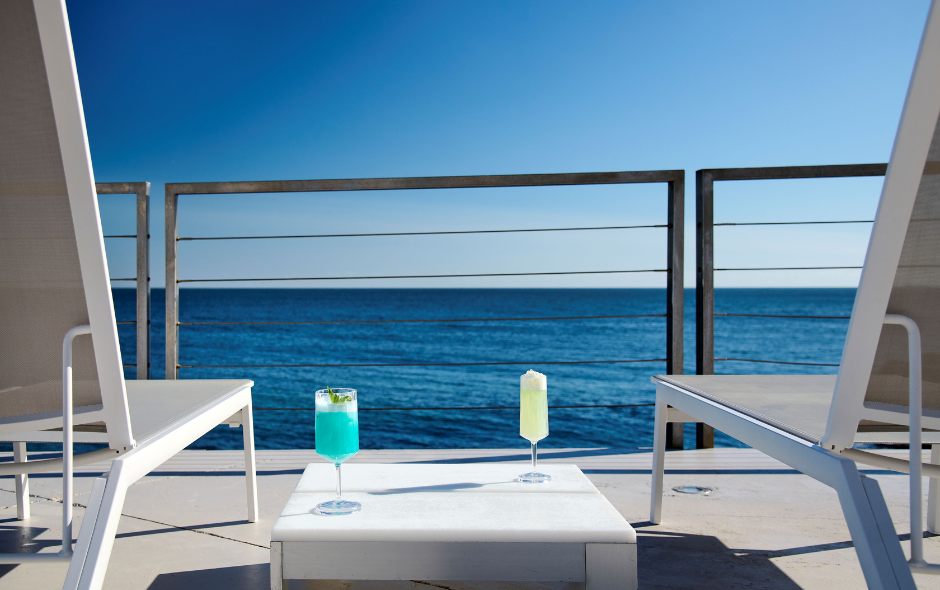
Luxury travel has always reflected the values of its time. Where once excess symbolised success, modern luxury mirrors a different desire: control over one’s space, time, and emotional energy.
The rise of privacy as a status symbol is not about hiding — it is about choosing when and how to engage.
High-net-worth travellers today are rejecting the performative nature of travel. They are less interested in destinations that photograph well and more drawn to experiences that feel good. Places where mornings unfold slowly. Where service is intuitive rather than intrusive. Where silence is not an absence, but a luxury in itself.
This shift has been accelerated by several cultural changes:
- The fatigue of constant digital exposure
- Overcrowded “must-see” destinations
- A renewed appreciation for mental wellbeing
- A desire for deeper, more meaningful connections
In response, luxury has scaled down — not in quality, but in size.
Smaller Spaces, Greater Significance
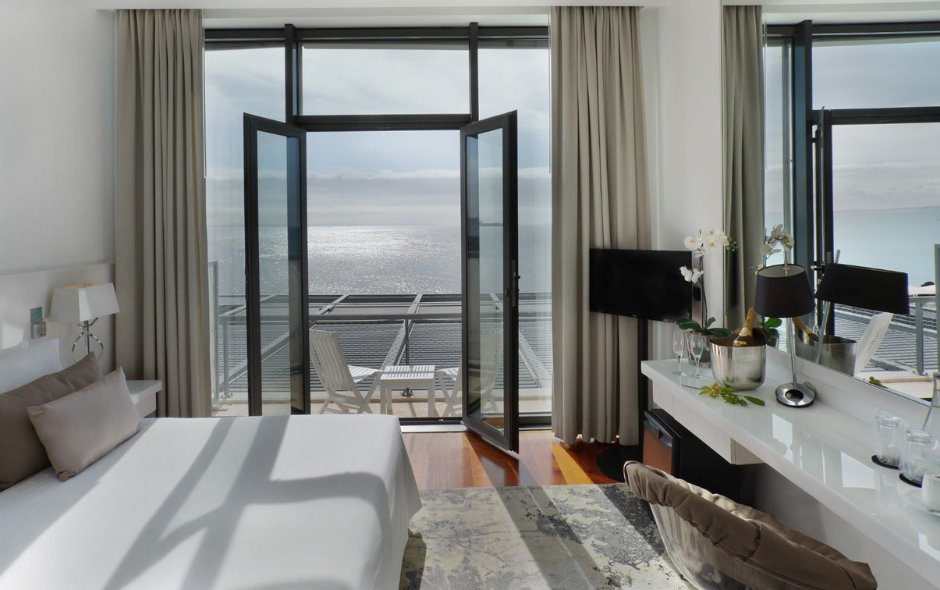
One of the most noticeable changes in premium travel is the move away from mega-properties toward intimate environments.
Boutique hotels, heritage residences, private villas, adults-focused resorts and refined hideaways are flourishing. These spaces offer something increasingly rare: the feeling of being genuinely looked after without being observed.
In smaller properties, guests are not room numbers. Staff recognise rhythms, preferences and moods. Service becomes personal rather than procedural.
A quiet cliffside hotel overlooking the Atlantic, such as Portugal’s Farol Hotel, exemplifies this evolution. Here, luxury is not expressed through scale, but through atmosphere — uninterrupted ocean views, discreet service, and the freedom to experience a destination without external noise.
Privacy, in this context, is not isolation. It is intentional closeness — to the setting, to oneself, and often, to the person beside you.
When Exclusivity Becomes Emotional
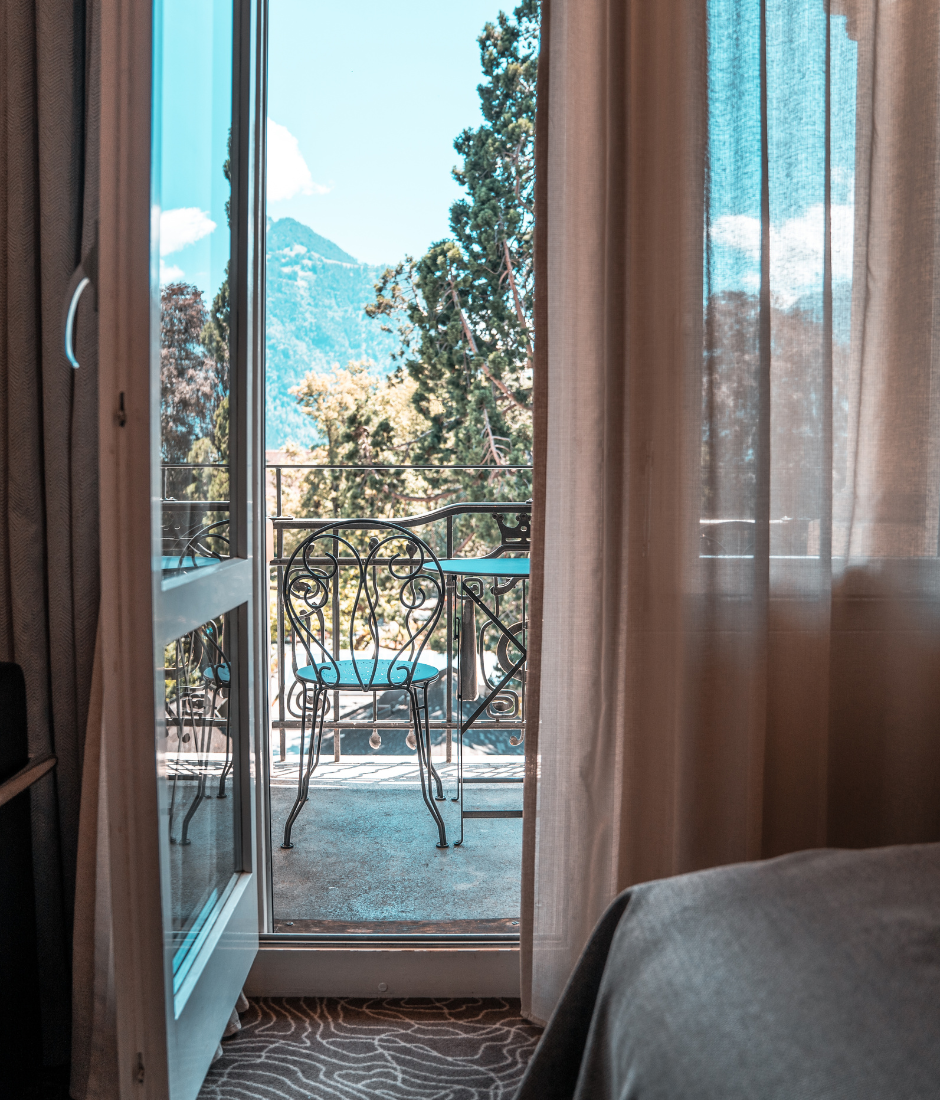
True exclusivity in 2026 is not about limited access — it is about emotional resonance.
The most coveted experiences are those that create a sense of intimacy, whether shared between partners, family members, or even solo travellers reconnecting with themselves.
In destinations like Interlaken, where historic properties such as Hotel Royal St. Georges MGallery blend heritage with serenity, privacy is found not in seclusion alone, but in pace. Snow-dusted mornings, quiet walks along alpine paths, evenings warmed by conversation rather than entertainment schedules.
These moments cannot be replicated through luxury upgrades or VIP access. They are created through space — physical and mental.
Privacy allows travellers to be present. And presence, increasingly, is the most valuable currency of all.
As Luxury Evolves, So Too Does Service
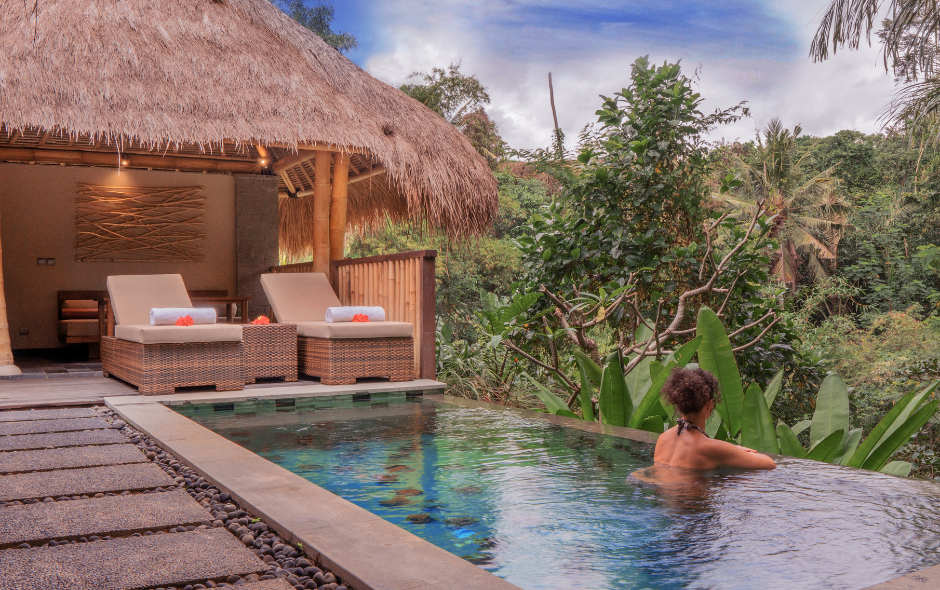
Where once attentiveness meant constant interaction, today it means restraint. Knowing when not to appear. Anticipating needs quietly. Allowing guests to exist without disruption.
This philosophy is powerfully expressed in modern wellness sanctuaries — places designed not for performance, but for personal transformation. At destinations such as the Healing & Wellness Sanctuary at Fivelements Retreat Bali, privacy is not an added amenity; it is the foundation of the experience itself.
Set along the sacred Ayung River and immersed in jungle stillness, Fivelements invites guests into a deeply introspective environment rooted in ancient Balinese healing traditions. Here, wellness unfolds gently — through individual rituals, personalised therapies, and moments of silence that feel as intentional as any treatment.
In these spaces, wellness in 2026 is no longer a social activity.
It is deeply personal.
Guests are increasingly seeking:
- Private treatment sanctuaries
- Individualised healing journeys
- Unhurried, intuitive rituals
- Space to disconnect, without explanation
The shift reflects a broader understanding: restoration cannot occur when one is being observed.
True healing, like true luxury, requires privacy — not as isolation, but as permission. Permission to slow down. To listen inward. To exist without performance.
Privacy As The Ultimate Romantic Luxury
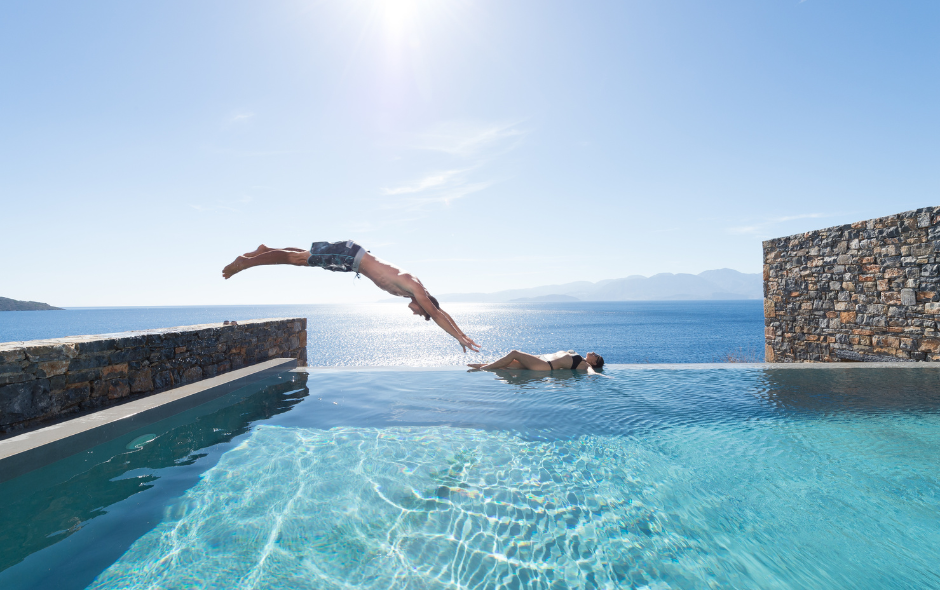
Nowhere is the desire for privacy more evident than in romantic travel.
Couples are moving away from bustling honeymoon hubs toward quieter destinations that allow intimacy to unfold naturally. Adults-only resorts, secluded beaches and understated elegance are replacing once-iconic party hotspots.
In Greece, properties such as Aquila Elounda Village offer a refined alternative to crowded islands. Here, romance is not staged. It emerges through sunset dinners without noise, mornings overlooking the Aegean, and the rare pleasure of feeling unhurried.
In these environments, couples are not performing romance — they are living it.
The Psychology Behind The Shift
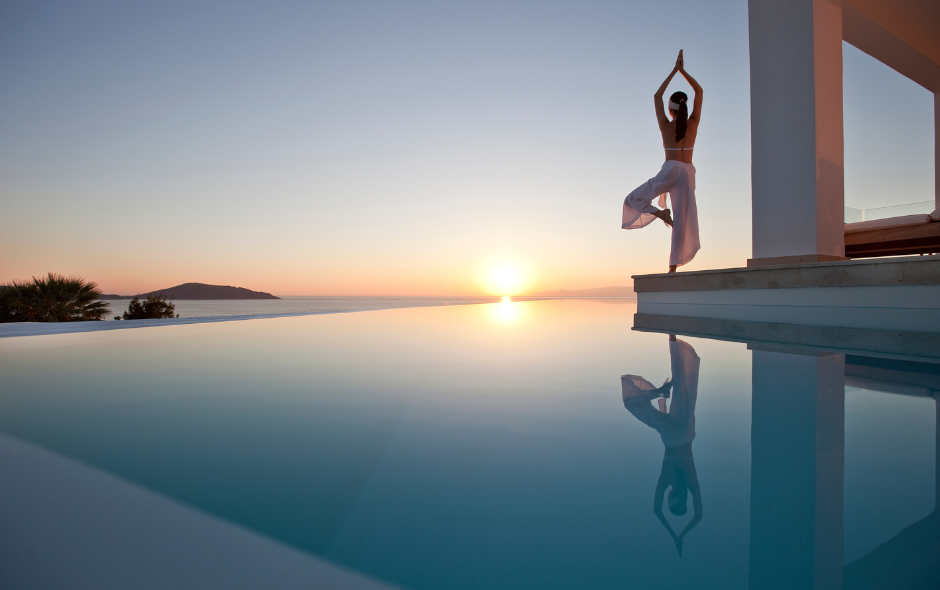
The desire for privacy is not simply a trend; it is psychological.
In everyday life, individuals are constantly accessible. Messages arrive instantly. Notifications compete for attention. Even leisure time is documented and shared.
Travel, once an escape, began to mirror this intensity.
Privacy reclaims what has been lost: autonomy.
When travellers choose quieter spaces, they regain control over:
- Their schedule
- Their social exposure
- Their emotional bandwidth
This autonomy is profoundly luxurious.
It allows people to feel safe enough to relax — and relaxation, in today’s world, is rare.
A New Definition of Status
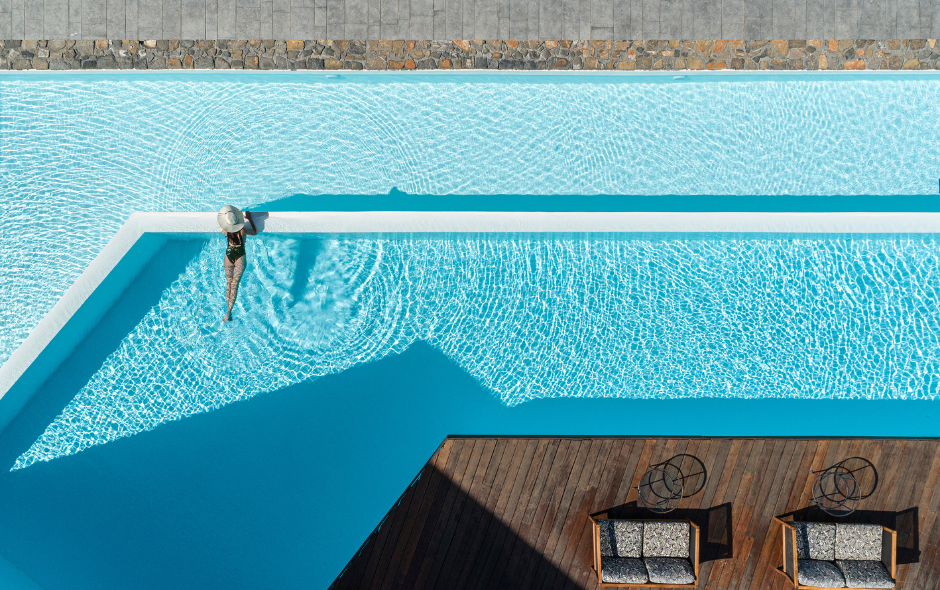
This year, status is no longer measured by where you were seen — but by where you were left undisturbed.
The most luxurious travellers now ask different questions:
- Will I be able to switch off?
- Will I have room to breathe?
- Will this experience feel personal?
They are choosing destinations that respect boundaries, properties that value restraint, and experiences that allow life to unfold naturally.
Privacy has become a form of quiet confidence. A signal that one no longer needs validation from visibility.
Because true luxury no longer demands attention.
It simply offers peace.