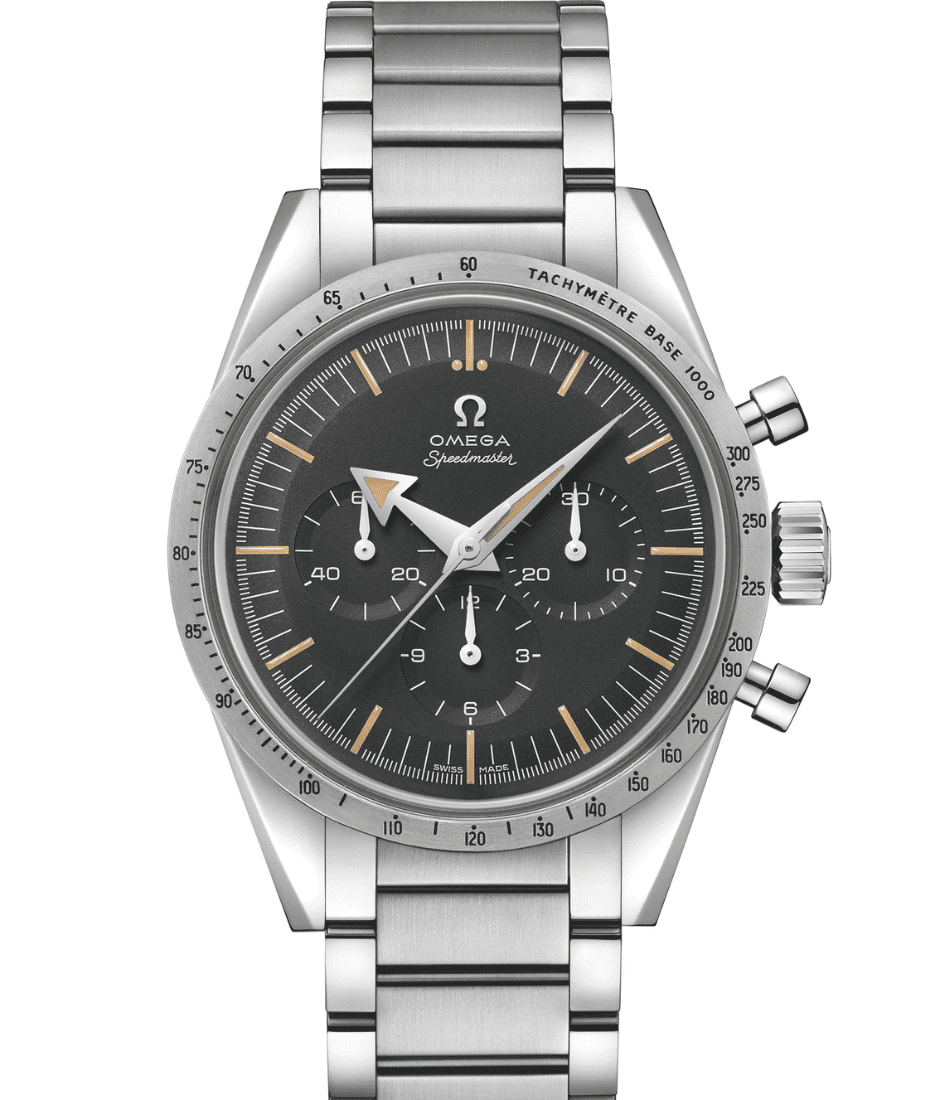
We all know what a watch is meant to do: tell the time. A dial, a set of hands, pointing toward this hour or that one. In 1957, OMEGA built a watch that didn’t just tell time, it measured it. The Speedmaster arrived as an instrument: built for those who lived their world in fractions of a second.
A Tool for the Track
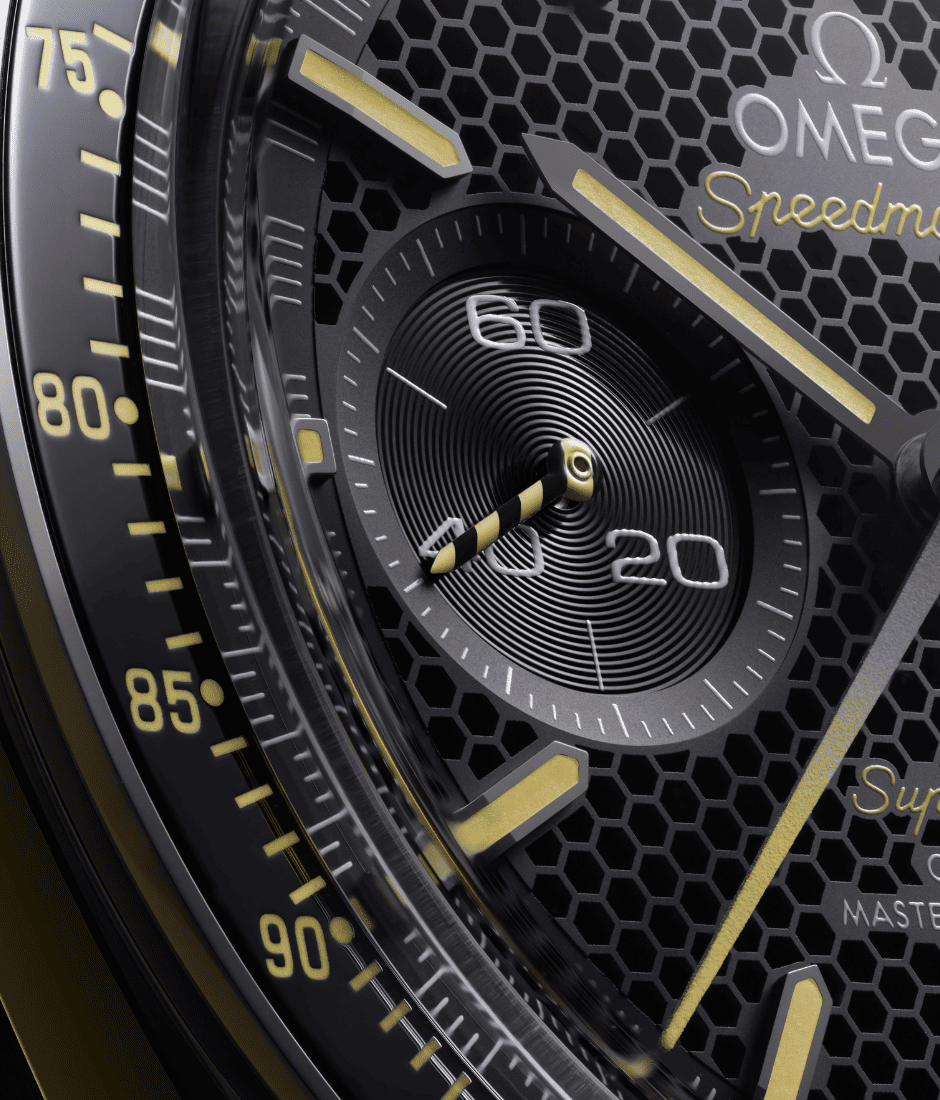
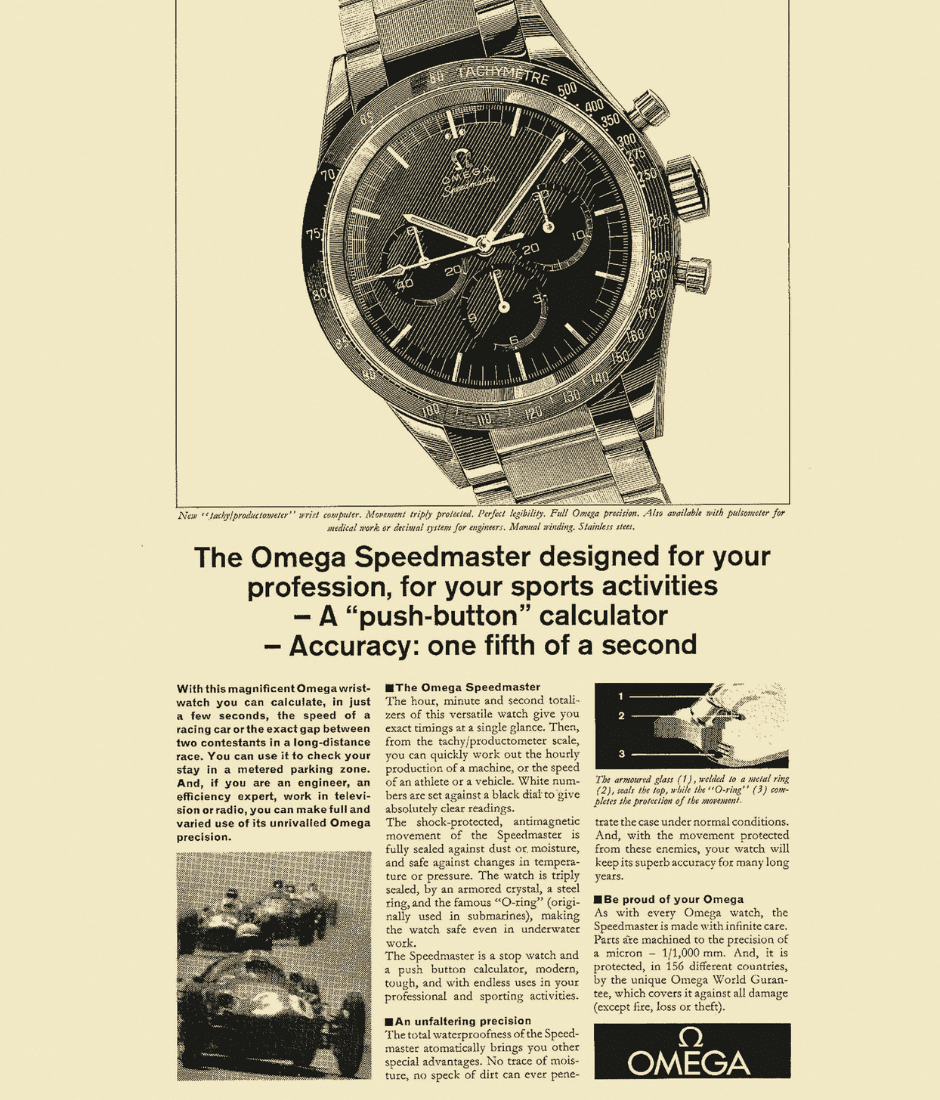
The Speedmaster was conceived for motorsport drivers, a community for whom timing wasn’t a courtesy but a competitive edge. What set it apart from the traditional wristwatch was its dual identity: part timepiece, part stopwatch. At its heart was a tachymeter scale, engraved along the bezel, letting a driver glance down and instantly translate elapsed seconds into speed. Calibrated for 10, 100, or 1,000 units, the same scale could just as easily measure output as velocity, tracking the hourly rate of a machine. This made the timepiece evolve into a tool, a racing equipment, that also happened to tell time.
Engineered for the Real World
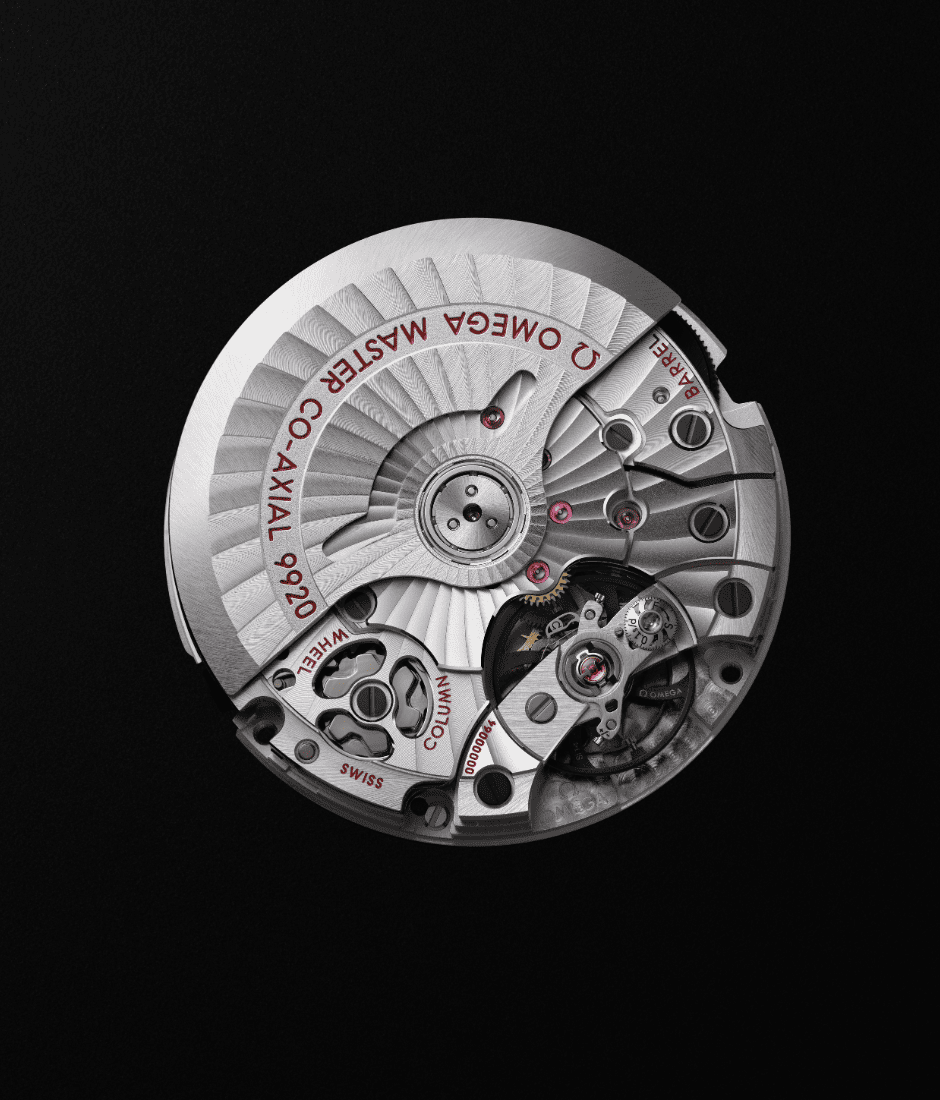
Precision alone wasn’t enough. A watch built for the track (and, soon after, for far harsher environments) had to survive conditions that would defeat an ordinary timepiece. By 1958, the Speedmaster’s case had been reinforced with a triple-sealing system, engineering that borrowed its logic from submarine hulls and aircraft fuel tanks.
The first layer was OMEGA’s Naiad winding crown, a design with a curious property: rather than weakening under pressure, its seal actually tightened the deeper it went. The second was an O-ring, which is a resilient, corrosion-resistant gasket seated in a precisely engineered groove within the case. The third was the Armored Glass, a crystal welded to a steel ring and locked so firmly into the case that it could withstand pressures up to six atmospheres. Together, the three layers gave the Speedmaster water resistance to 200 feet, along with shock protection. A level of ruggedness that few watches of its era could claim.
This was a watch, in other words, that didn’t ask to be treated gently.
Beyond the Racetrack
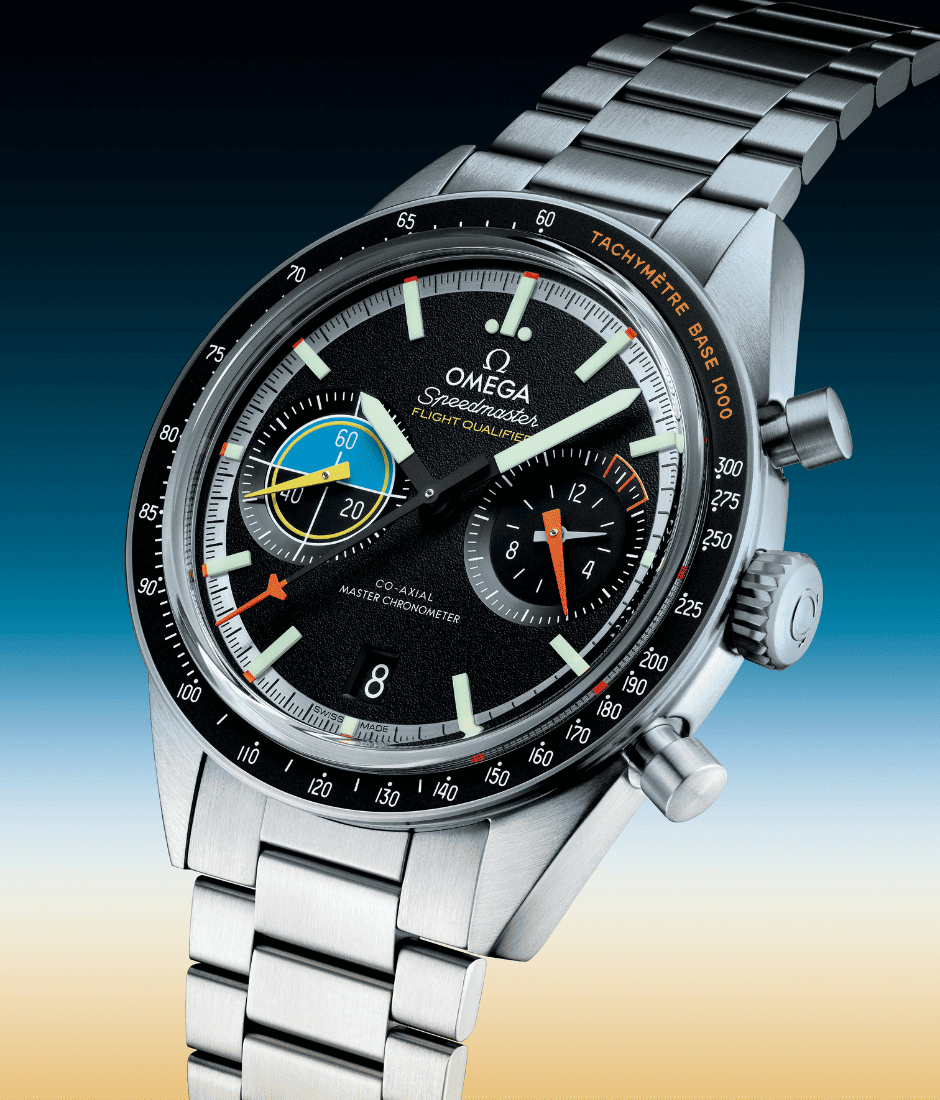
What began on the racetrack didn’t stay there. The Speedmaster’s reliability and legibility soon caught the attention of a very different kind of professional: pilots. Its instrument-like clarity — a design language built for a glance under pressure — translated naturally from the cockpit of a race car to the cockpit of an aircraft.
That crossover appeal would prove to be the first sign of something larger. Over the decades that followed, the Speedmaster’s reputation for precision and endurance carried it into realms its original engineers could scarcely have imagined. Worn by explorers, adopted by institutions, and trusted in places where failure was never an option. What started as a tool for measuring a lap time became, in time, one of the most recognised watches in the world.
A Legacy Set in Motion
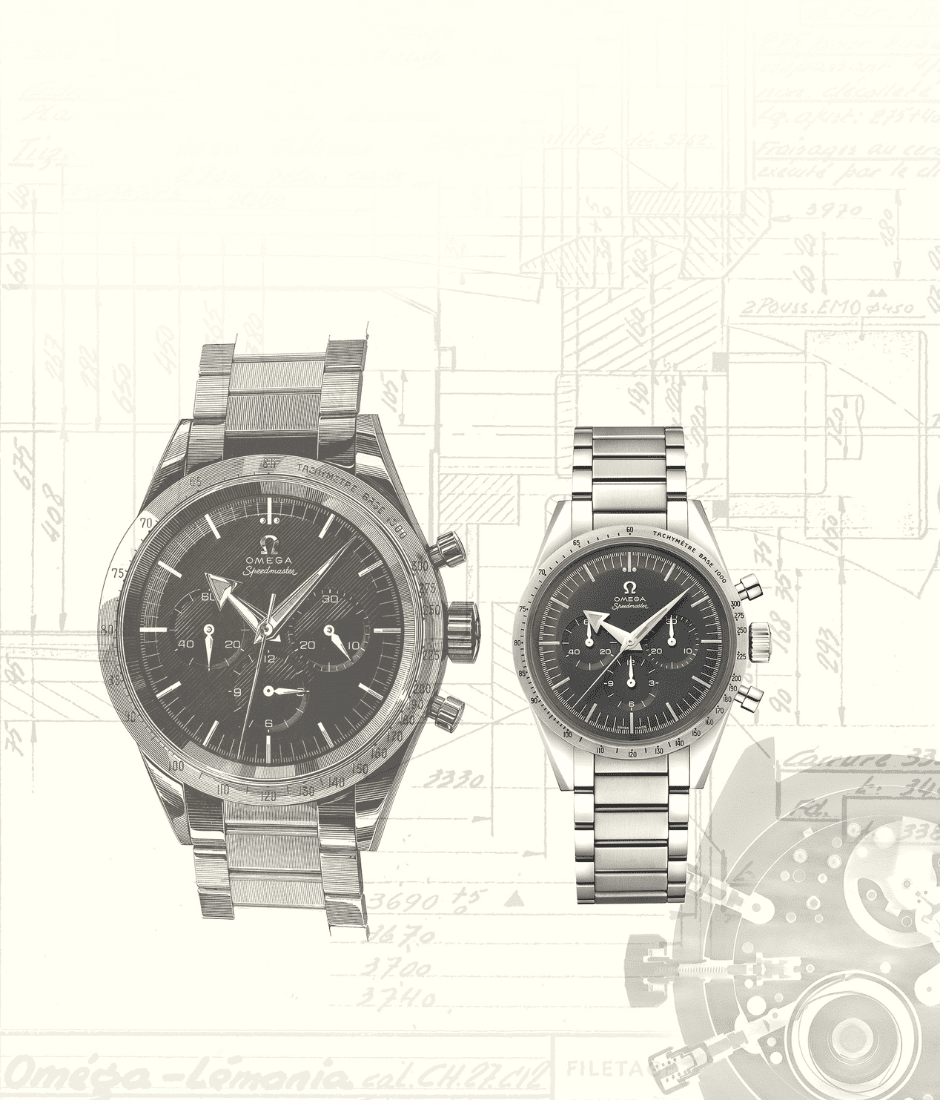
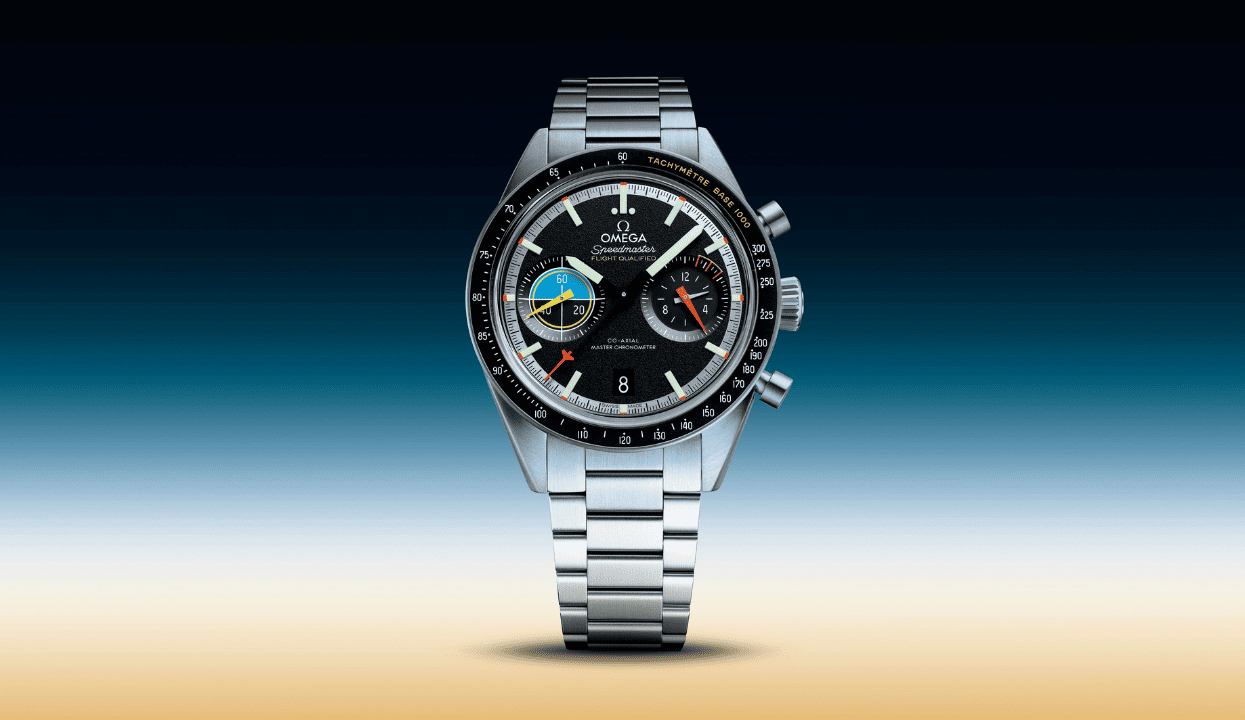
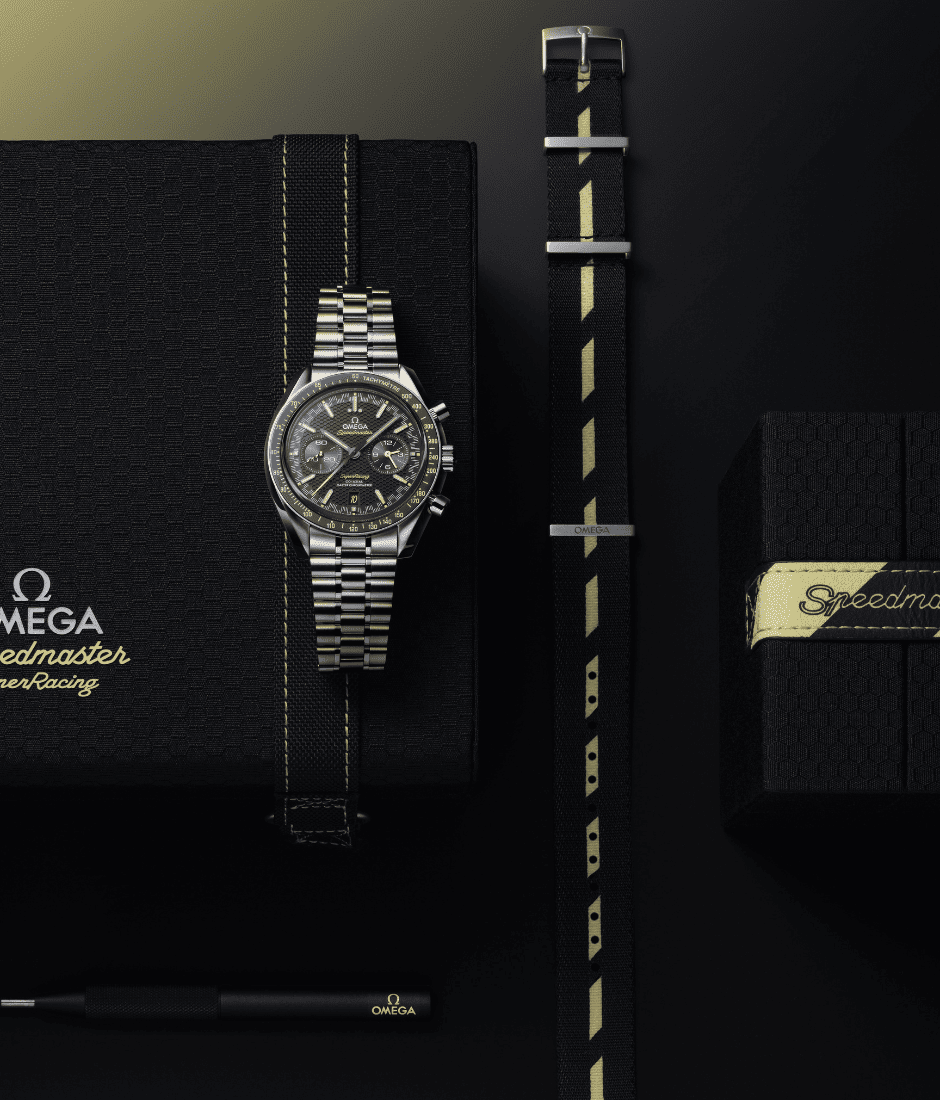
That founding pursuit of precision hasn’t slowed. Today’s Speedmaster still carries the tachymeter and the instrument-like clarity of the original, but its engineering has moved well beyond 1957. The Speedmaster Super Racing, OMEGA’s most recent evolution, introduces the Spirate™ System, a new patent-pending spiral that allows for ultra-fine rate adjustments and certified precision of just 0/+2 seconds a day, a standard that exceeds even the strict benchmark set by the Swiss Federal Institute of Metrology (METAS) for Master Chronometer certification. Elsewhere in the collection, the Speedmaster Pilot returns the watch to its aviation ties, built around the Co-Axial Master Chronometer Calibre 9900 and designed for legibility in the cockpit. Nearly seventy years on, the Speedmaster remains what it always was: an instrument first, a watch second.
For more information on OMEGA, click here.