Ask anyone about the OMEGA Speedmaster and the Moonwatch is probably the first thing they will mention. The watch has a much longer résumé, though, built on a simple idea: a tool should perform when it matters most, whether on the track or beyond the Earth.
Built for the Track
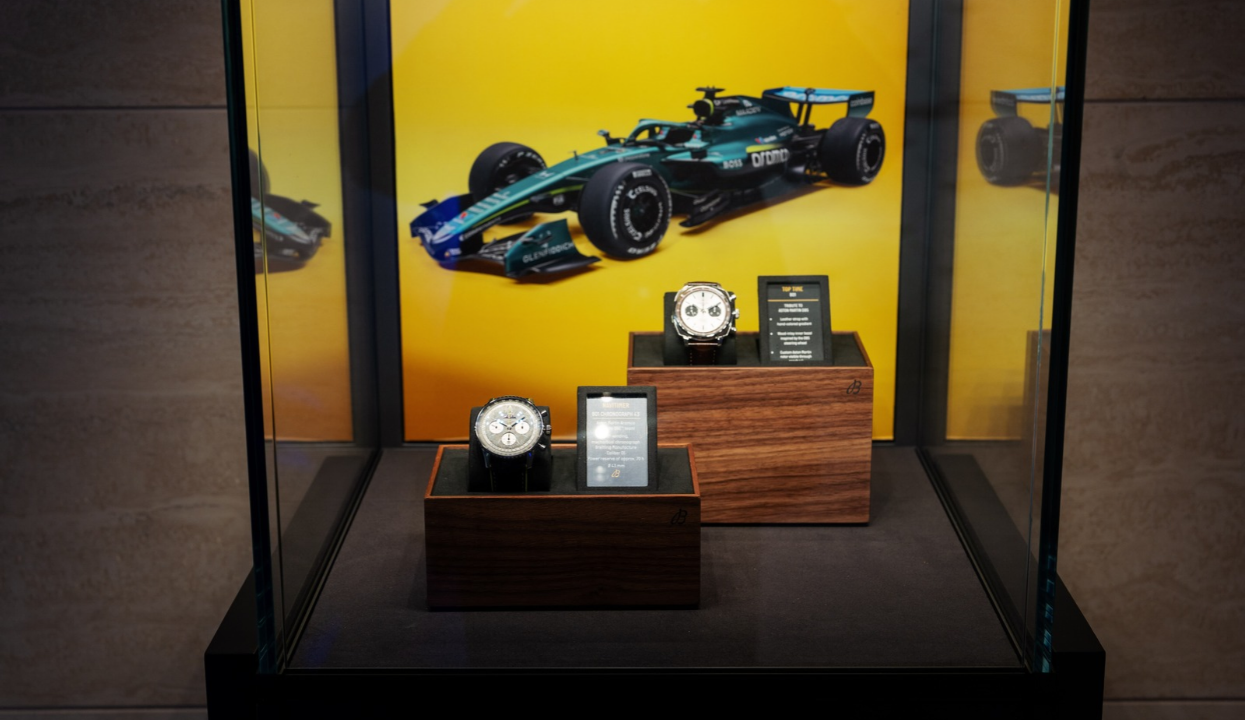
When the Speedmaster arrived in 1957, it was conceived as a working instrument for professionals. This first generation, the CK2915, wore Broad Arrow hands and was built for quick reading and hard use, with a tachymeter scale that made it a natural fit for motorsport. Practicality came first, and that mindset carried the watch from the pit lane into space, where the same qualities mattered more than ever.
The First Into Orbit
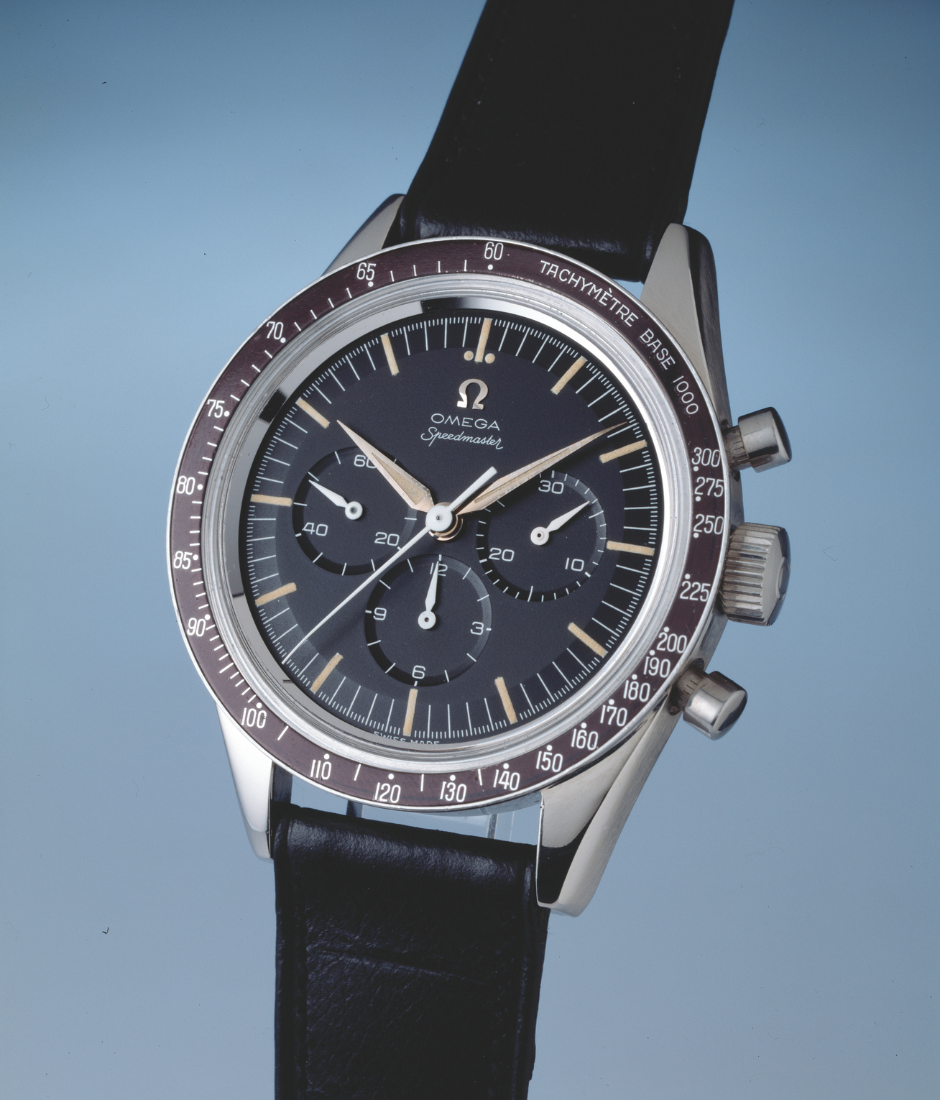
The 2nd generation CK2998, produced from 1959 to 1963, shared its Calibre 321 with the CK2915 but carried a distinct personality. A black aluminium bezel insert made the scale easier to read, the case grew from 39 mm to 40 mm, and Alpha hands replaced the Broad Arrow design.
Among its admirers was Wally Schirra, one of the Mercury Seven. When he circled the Earth six times aboard Sigma 7 in 1962, a CK2998 was on his wrist, making it the first OMEGA worn in space.

Passing NASA’s Toughest Exam
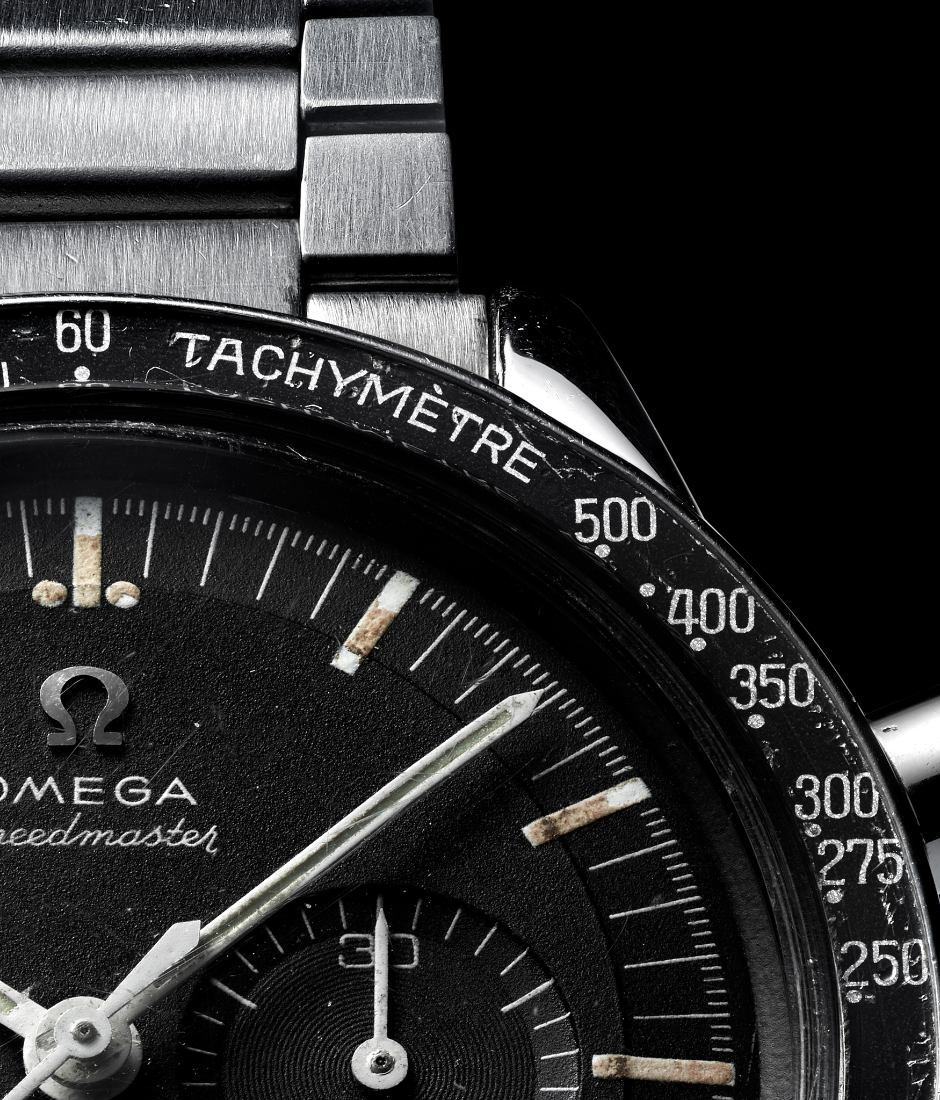
After Project Mercury, the NASA astronauts asked their Operations Director, Deke Slayton, for a dependable mechanical backup to their electronic timers. Four brands responded. OMEGA submitted the 3rd generation ST 105.003, the first Speedmaster with baton hands and the last to go without crown guards. NASA put every candidate through 11 trials covering extreme temperatures, vacuum, shock, vibration and more. Only the Speedmaster survived them all, and on 1 March 1965 it was cleared for every manned mission.
Three weeks later, Gus Grissom and John Young wore it on Gemini 3. That June, Edward White took it with him as the first American to walk in space. Its EVA qualification stands to this day.
The Red Watch from Alaska
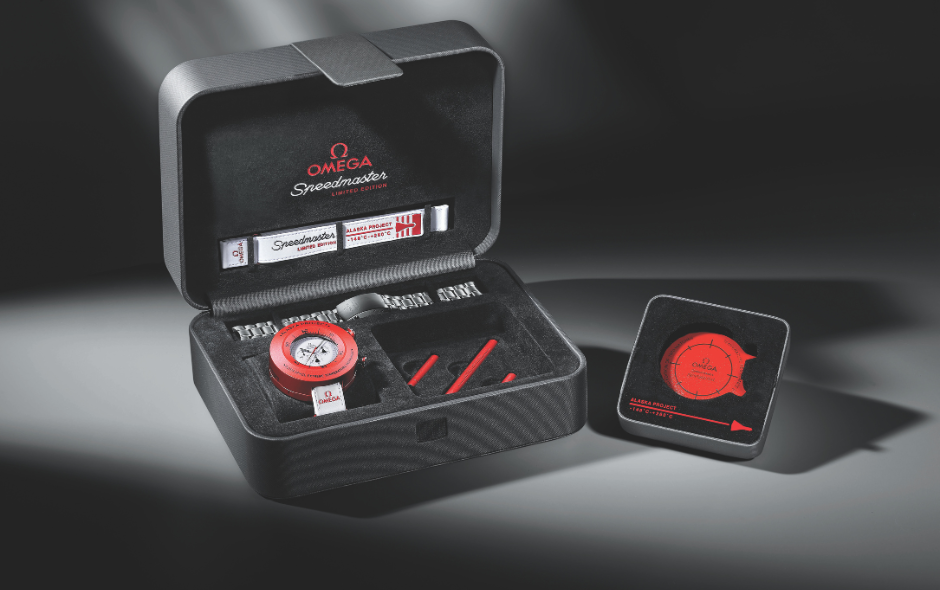
In 1968, OMEGA’s engineers began meeting NASA’s James Ragan in Houston to imagine the ultimate space watch. The ALASKA Project produced a polished titanium case, a silver-white dial chosen for its reflectivity and a bright red aluminium shell that could be worn over a spacesuit. NASA never adopted it, but the research fed directly into OMEGA’s future designs.
A Pilot’s Companion
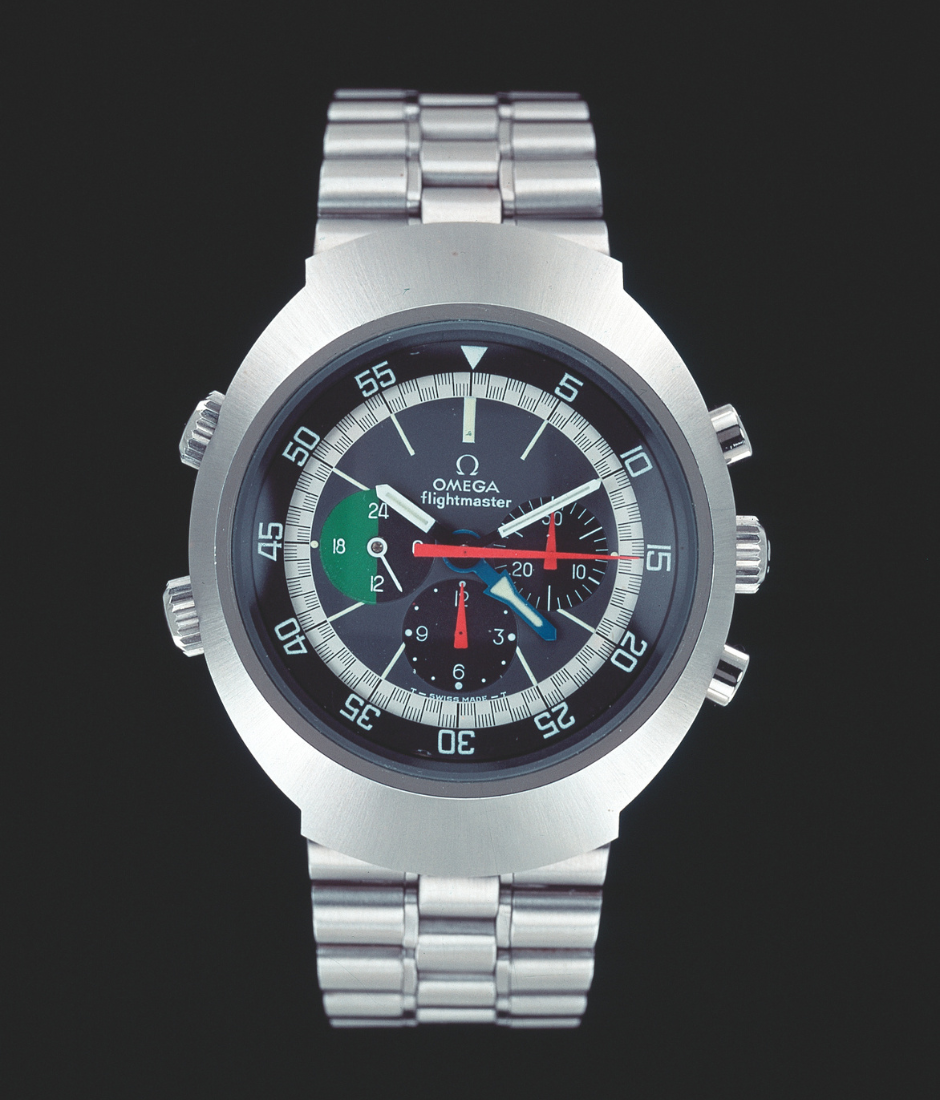
Also launched in 1969, the Flightmaster was built for pilots who needed to follow several time zones at once. Its generous Pilot Line case, 12-hour GMT function and colour-coded pushers served that purpose precisely. Cosmonaut Alexei Leonov trained in one before commanding the Soviet crew on the 1975 Apollo-Soyuz mission.
The Modern Instrument
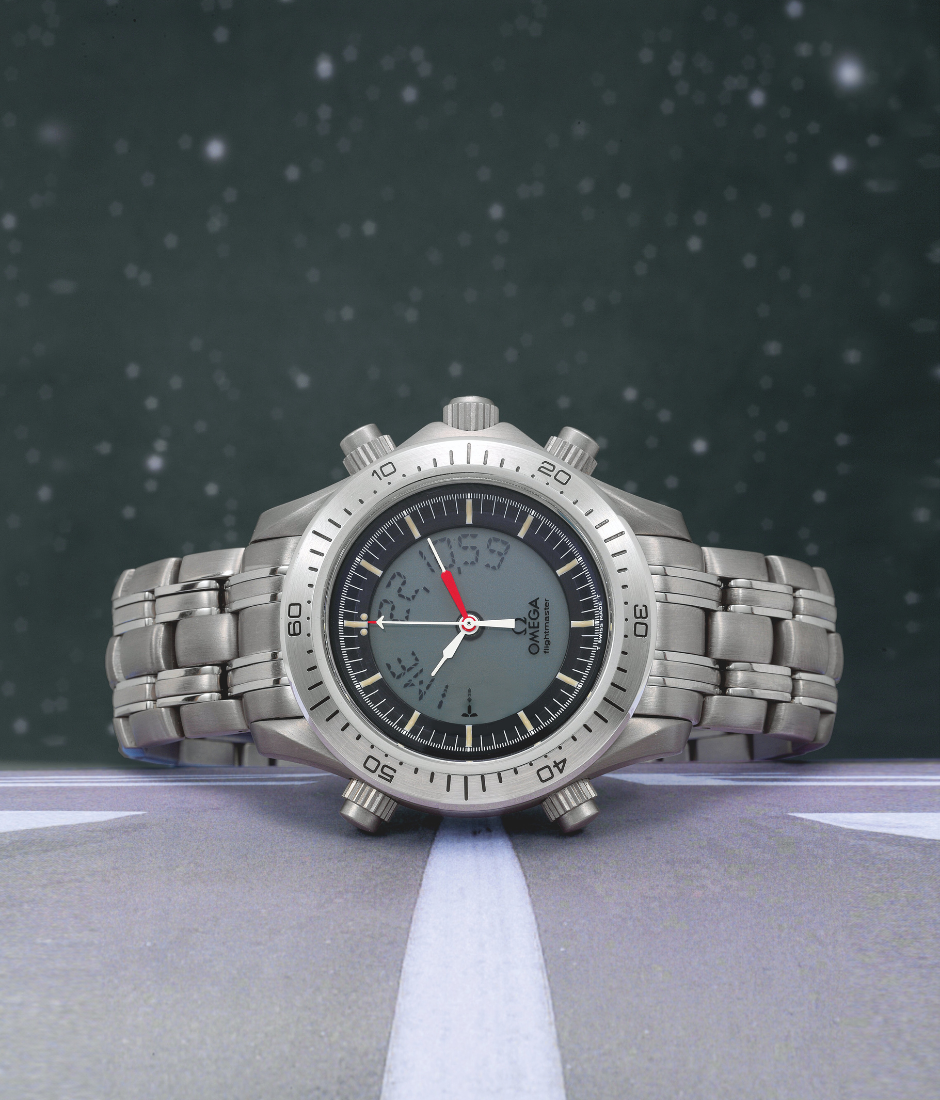
The X-33 arrived in 1998 after five years of work with the world’s major space agencies. Astronauts asked for analogue and digital displays, multiple timers, a backlight and a loud alarm, and the quartz Calibre 1666, housed in a titanium case, delivered all of it. The latest generation, the Skywalker, has been with us since 2014 and was developed with input from ESA astronaut Jean-François Clervoy. It adds a third time zone and Phase Elapsed Time, driven by the Calibre 5619.
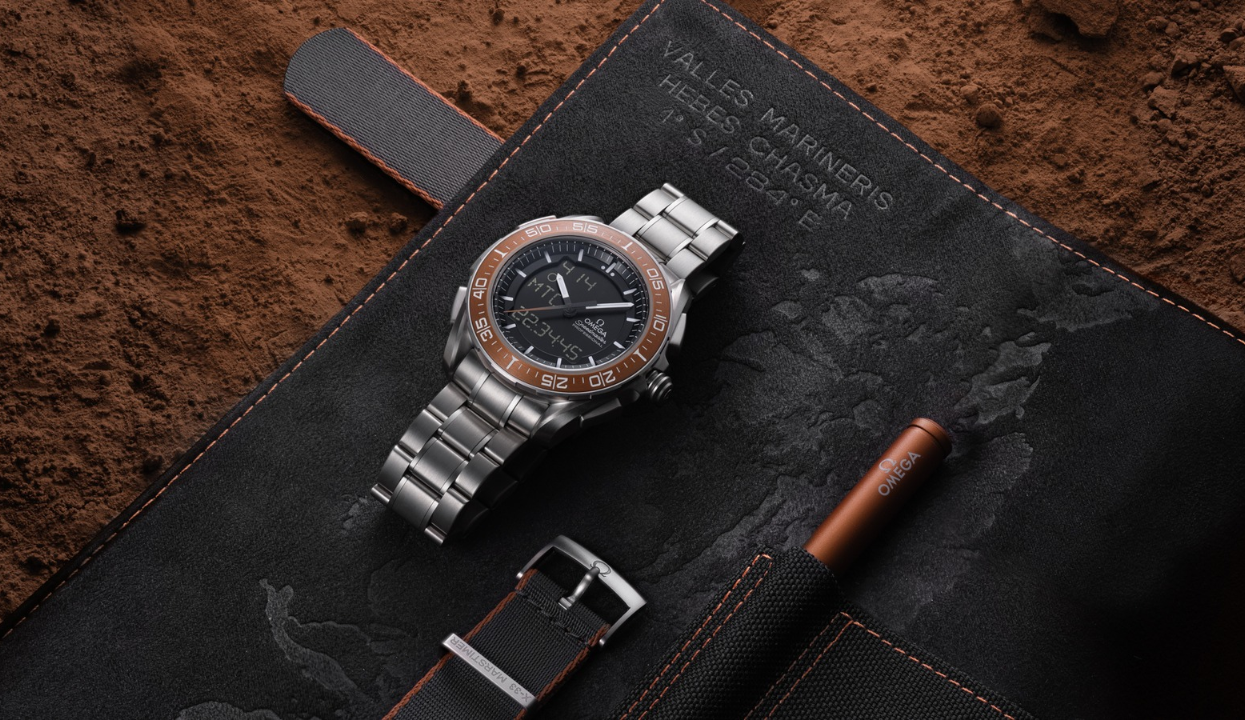
The X-33 Marstimer, created with ESA in 2022, looks further still. Its red hematite bezel recalls Martian dust, and it keeps sol date and time at the Mars prime meridian, with a solar compass for finding true north on two planets.
A Story Still Being Written
From the racetrack to the Red Planet, every one of these watches was shaped by the needs of the people wearing it. That is the heart of the Speedmaster’s tool-watch philosophy: with the right equipment, the greatest ambitions become possible. The Moon will always hold a special place in its legend, and the watches around it complete the story.