The conversation surrounding Artificial Intelligence (AI) and robotics often tilts toward automation overtaking human roles. However, a high-level dialogue hosted by Heriot-Watt University Malaysia (HWUM) at the historic Seri Negara in Tasik Perdana offered a more grounded perspective: the future of technology relies entirely on our shared humanity.
Bringing together alumni, industry leaders, and strategic partners for an exclusive Networking Breakfast, the dialogue titled “The Future of Work: Robotics, Automation and Talent Development in Malaysia” explored how academia and industry must collaborate to prepare a workforce capable of thriving alongside intelligent technologies.
Technical Skills Are Just the Baseline
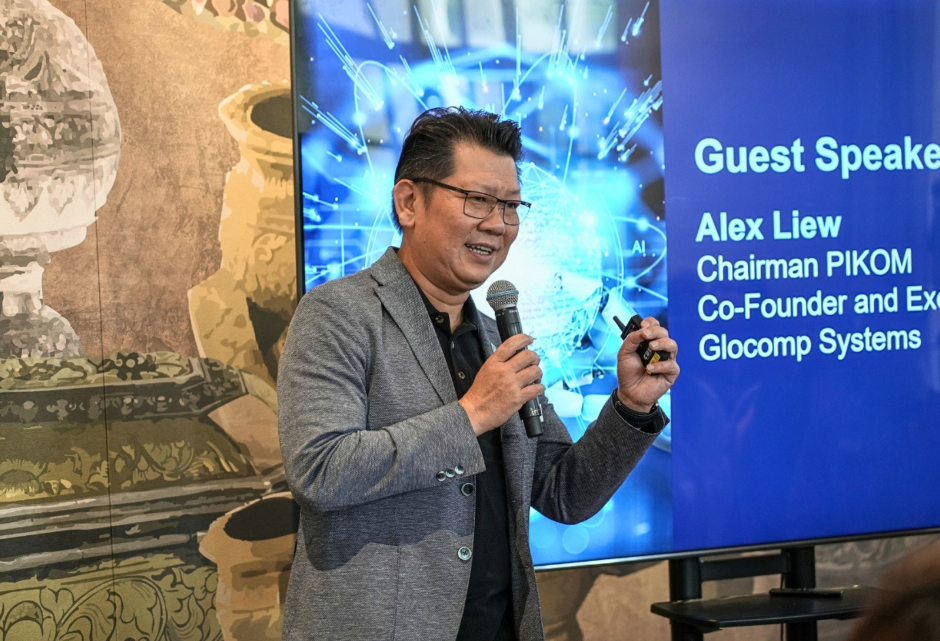
In his keynote, Alex Liew, Chairman of PIKOM and Co-founder and Executive Director of Glocomp Systems, emphasised that while technical skills and digital literacy are becoming baseline requirements in the modern workforce, soft skills will be the key differentiator in the age of artificial intelligence and automation.
As automation reshapes global economies, industries are experiencing a massive shift in what constitutes a “qualified” workforce. Alex Liew, Chairman of PIKOM and Co-founder of Glocomp Systems, highlighted that sectors such as manufacturing, logistics, healthcare, agriculture, energy and services are poised to lead Malaysia’s transformation over the next five years.
However, the real takeaway from the dialogue was a redefining of the modern skill set. While digital literacy and technical expertise are now considered baseline requirements, they are no longer enough to guarantee professional success.
Instead, the true difference in the era of AI will be distinctly human traits:
- Critical thinking and creativity
- Adaptability and emotional intelligence
- Collaboration and nuanced communication
Nurturing Purpose-Driven Leaders
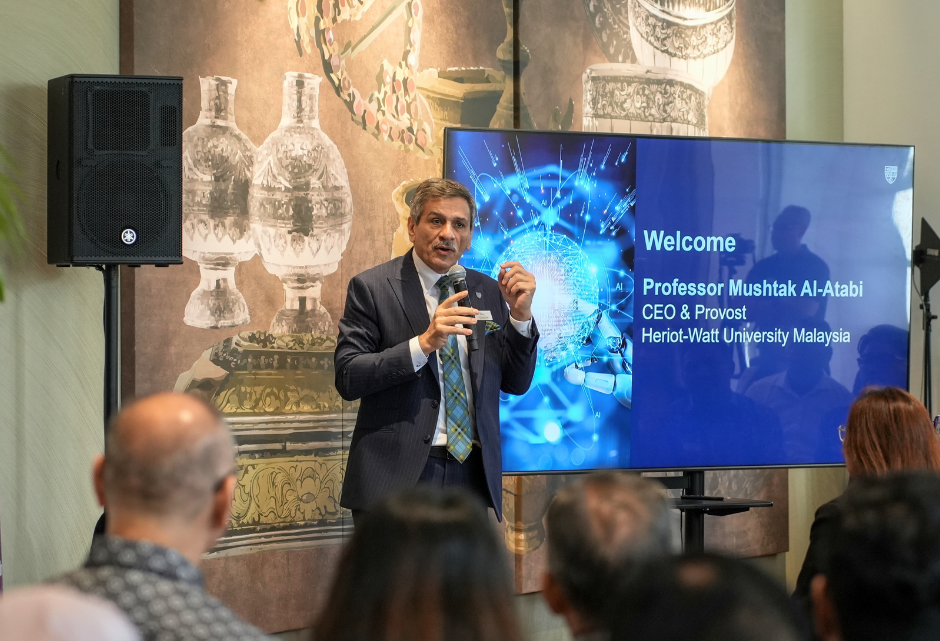
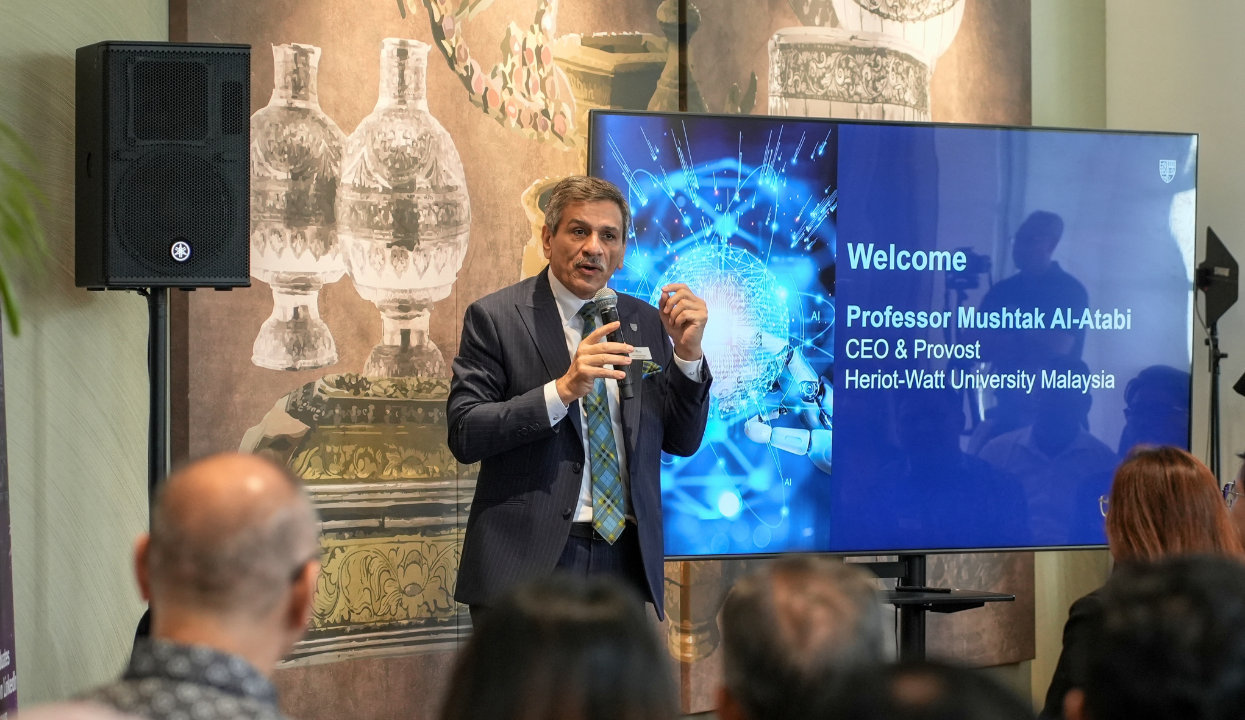
Heriot-Watt University Malaysia’s Provost and CEO, Professor Mushtak Al-Atabi emphasises that as robotics, automation and artificial intelligence continue to transform the global economy, universities have a responsibility to prepare graduates who are purpose-driven, technically proficient, adaptable and equipped to lead change.
This sentiment was mirrored by HWUM Provost and CEO, Professor Mushtak Al-Atabi, who emphasised that education must remain anchored in humanity. For universities, the challenge is no longer just teaching students how to use technology, but how to lead change with a sense of purpose and mutual trust.
HWUM’s historical legacy is deeply rooted in inclusion, being the first university in the UK to admit women and the first to appoint a deaf professor. Today, that DNA translates into preparing holistic, adaptable graduates whose values and soft skills match their technical competencies.
A Glimpse into the Future: The Malaysian Robotarium
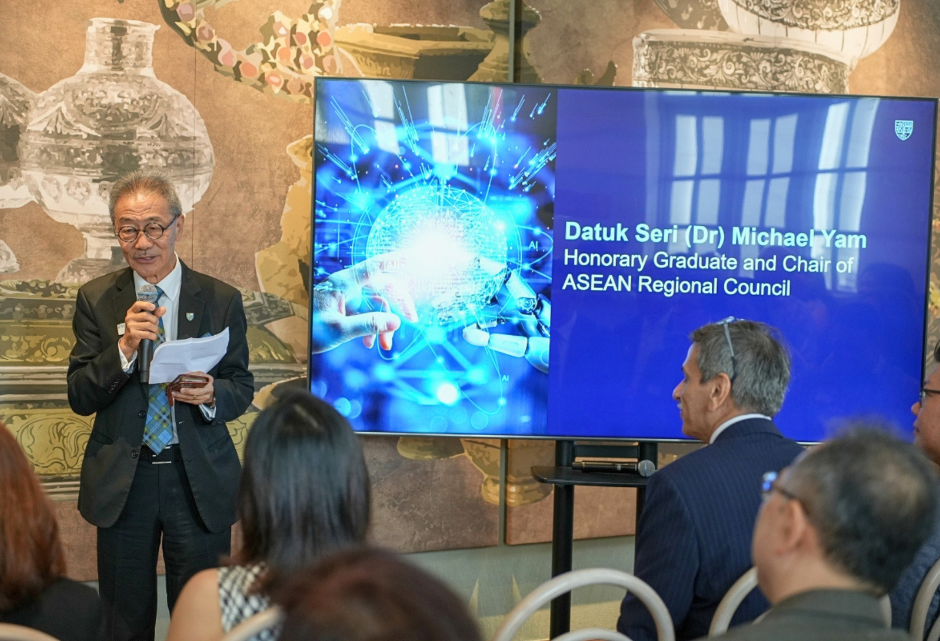
Datuk Seri (Dr) Michael Yam, Chair of the ASEAN Regional Council for HWUM Shaping Futures campaign outlined aspirations for a Malaysian AI and Robotics ecosystem, including discussions on a potential Malaysian Robotarium in Putrajaya, inspired by the UK’s National Robotarium at Heriot-Watt University in Edinburgh.
Beyond talent development, the dialogue shed light on ambitious structural plans to elevate Malaysia’s regional standing in the tech ecosystem. Datuk Seri (Dr) Michael Yam, Chair of the ASEAN Regional Council for the HWUM Shaping Futures campaign, discussed aspirations for a potential Malaysian Robotarium in Putrajaya.
Inspired by the National Robotarium at Heriot-Watt University in Edinburgh, this proposed hub is envisioned to serve three distinct pillars:
- Community Engagement: A public gallery space where families and communities can interact with AI and robotics firsthand.
- A Living Lab: A space for students to gain direct, hands-on exposure to real-world applications.
- An Innovation Hub: A commercialisation and research platform to catalyse product development and secure grant funding.
This initiative aligns closely with the National AI Action Plan and the Malaysia Digital 2030 (MD2030) vision, supporting the country’s broader ambition to establish a robust, innovation-led economy.
Where Purpose Meets Innovation
The breakfast concluded with a tangible look at this future in action: a demonstration of “Iki,” a robot dog whose name is derived from the Japanese concept Ikigai (“reason for being”). Presented by Associate Professor Dr Nur Dalilah Nordin and HWUM Robotics Society President Jun Da Wong, the demonstration served as a perfect metaphor for the university’s mission.
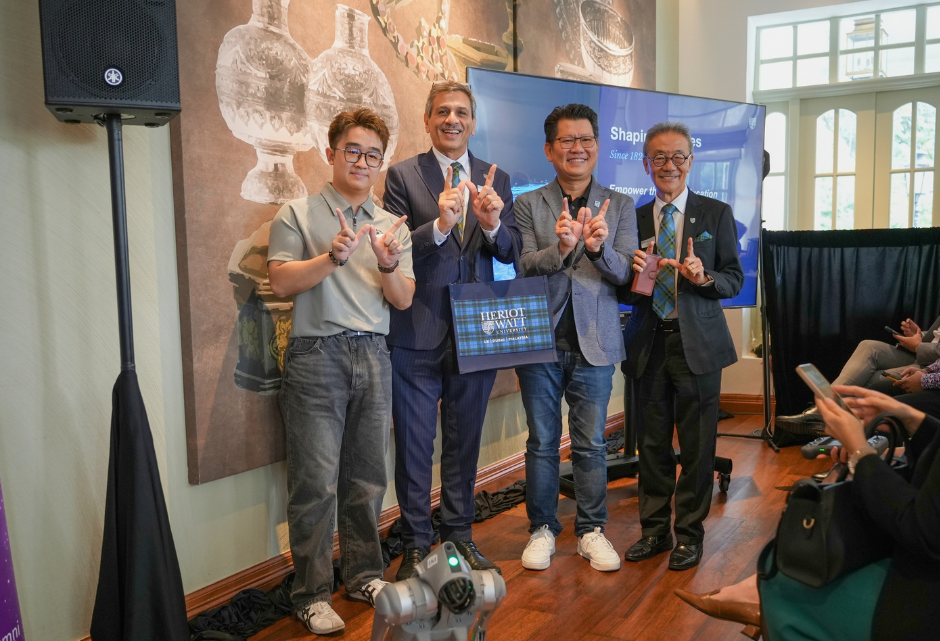
From left to right: Jun Da Wong, Heriot-Watt University Malaysia (HWUM) student and President of the HWUM Robotics Society; Professor Mushtak Al-Atabi, HWUM Provost and CEO; Alex Liew, Chairman of PIKOM and Co-founder and Executive Director of Glocomp Systems; and Datuk Seri (Dr) Michael Yam, Chair of the ASEAN Regional Council for HWUM Shaping Futures campaign. The Networking Breakfast included a demonstration of a robot dog named Iki, inspired by Ikigai, the Japanese concept meaning “reason for being.”
Ultimately, the event underscored a vital truth for Malaysia’s evolving workforce: the rise of robotics does not diminish the value of human talent. Instead, it elevates it, demanding an educational and professional ecosystem where technical skill and human purpose work hand in hand.