
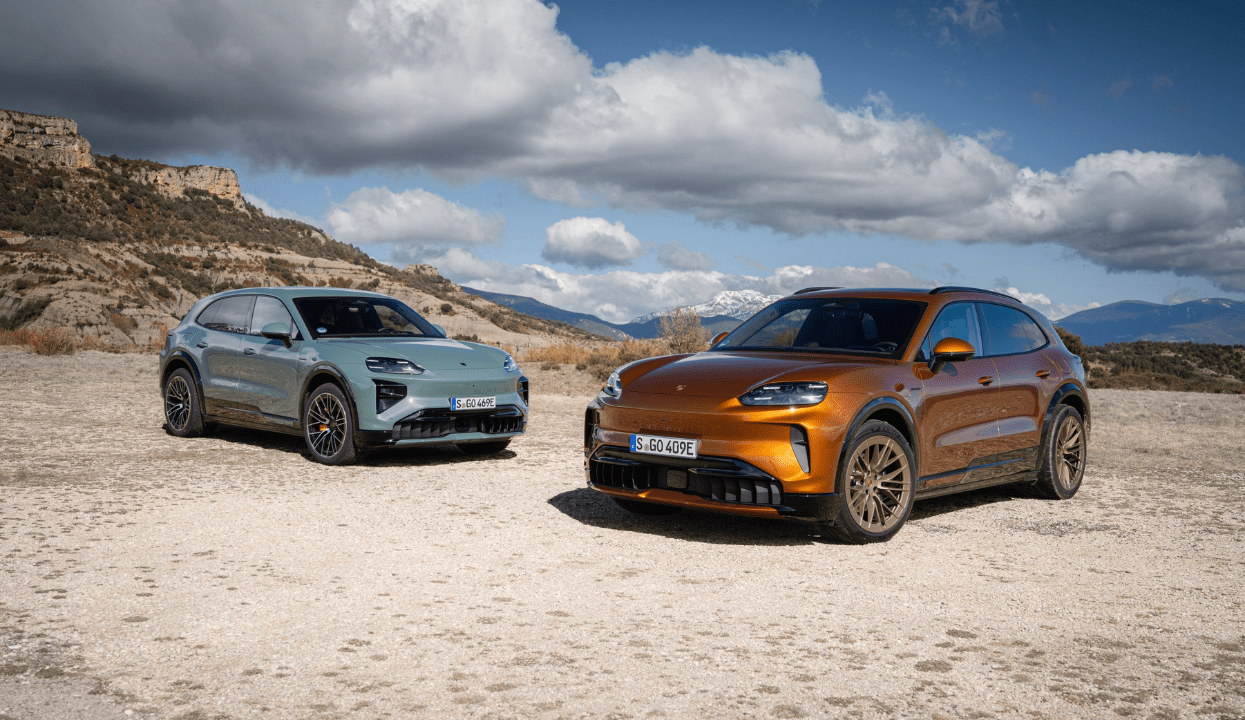
The Porsche Cayenne has always been the backbone of the brand since its debut in 2002. Back then, hardcore sports car purists weren’t exactly thrilled about an SUV wearing a Porsche badge. Cut to today, and it is the exact car that rescued the company financially, becoming their biggest global bestseller and a staple of luxury garage lineups.
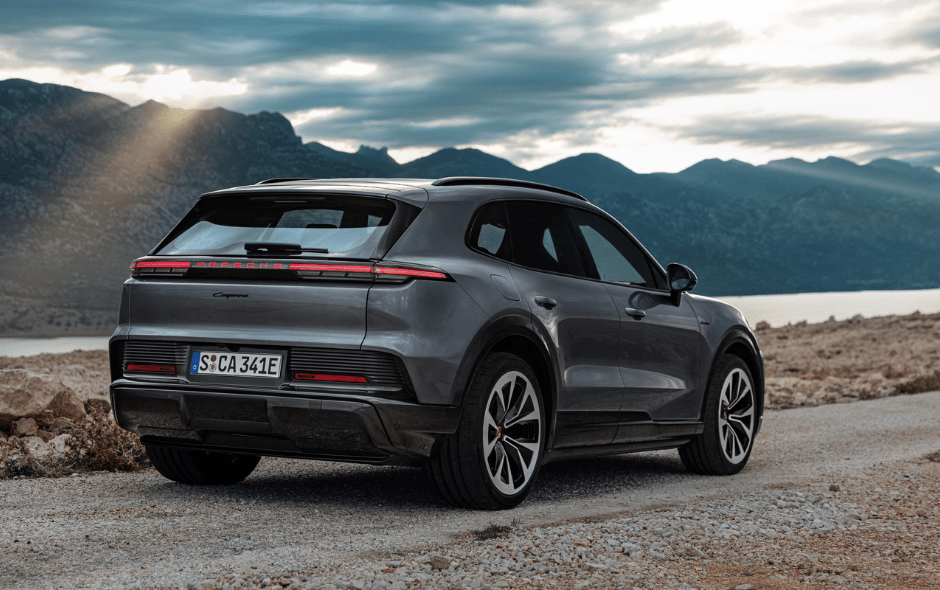
Now, hot on the heels of the electric Macan, Porsche is officially pushing the Cayenne into the EV era. But they are playing it smart here: they aren’t killing off the petrol-hybrid version just yet. Keeping the old model around is a practical safety net for markets that aren’t quite ready to give up petrol power. That said, once you spend a bit of time behind the wheel of the new EV, it is crystal clear exactly where Porsche is pouring all its engineering budget and long-term faith.
Insane Speed in a Family Package
Porsche is launching the Cayenne Electric with two very different vibes. The standard version is the sensible choice. It gives you a solid 442 PS with launch control and hits 100 km/h in 4.8 seconds — with a top speed of 250km/h. It is quick and incredibly smooth. A car with impeccable performance.
Then you have the Cayenne Turbo Electric, which is on an entirely different level. It pumps out 1,156 PS through its dual-motor setup, blasting from 0 to 100 km/h in just 2.5 seconds, reaching a 260 km/h top speed. Those aren’t SUV numbers. Rather, this vehicle is within hypercar territory. But that’s what makes the Cayenne Turbo electric so special. That contradiction. It’s a whole performance machine, but with the makings of a five-seat luxury SUV.
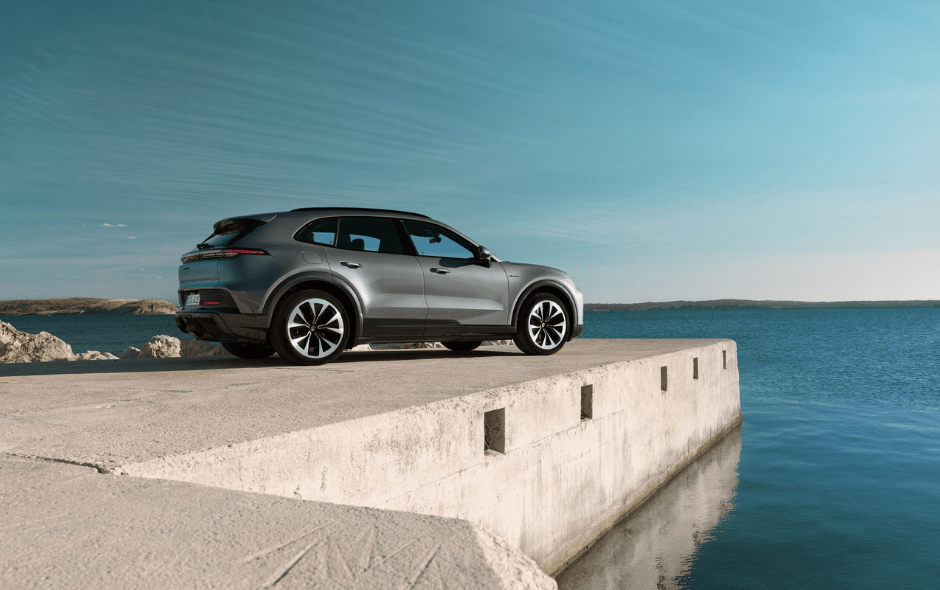
The Architecture of Speed
Underneath the floor sits a massive 113 kWh battery built on a fast-charging 800-volt system. Porsche didn’t just shove a battery pack under the seats, either. The modular cells are encased in a rigid, structural aluminium housing that bolts straight to the floor, significantly increasing the SUV’s overall torsional rigidity.
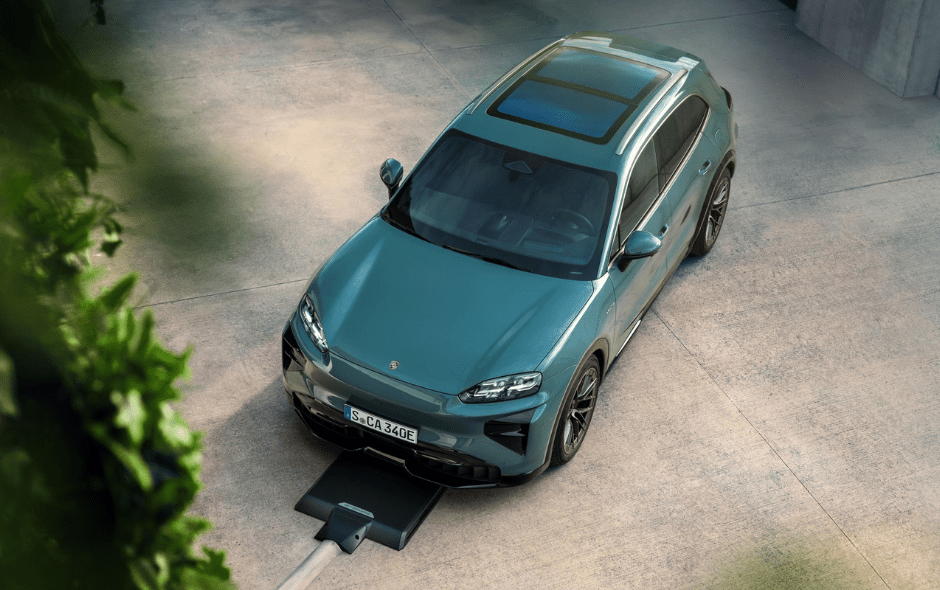
Even with all that power, the Turbo model is surprisingly efficient, sipping between 22.4 and 20.4 kWh per 100 km. It shows Porsche put serious work into optimisation rather than just relying on brute electric force. Under perfect conditions, the official WLTP range can stretch past 600 km. Of course, if you keep pinning the throttle and exploiting that colossal performance, that number is going to drop fast.
The Evolution of the Cayenne
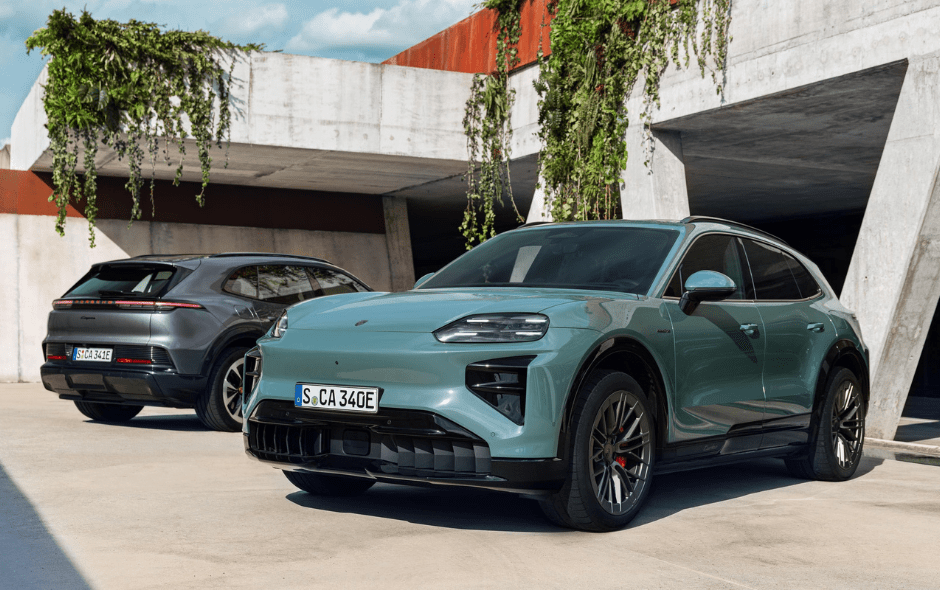
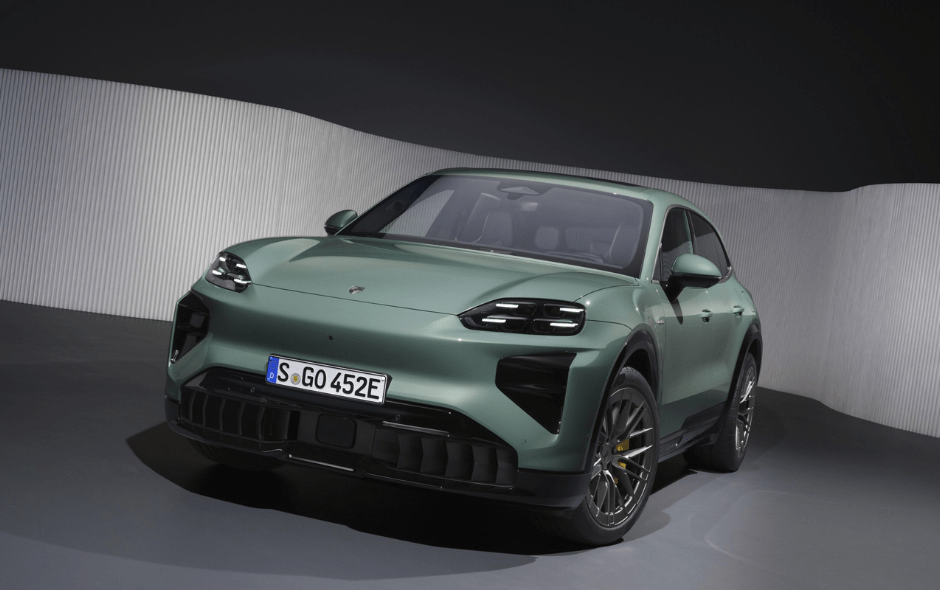
On the outside, Porsche’s design team kept things beautifully subtle. The shape is still totally recognisable, but it gets cleaner lines and tighter styling. It looks genuinely sophisticated without needing to scream for attention.
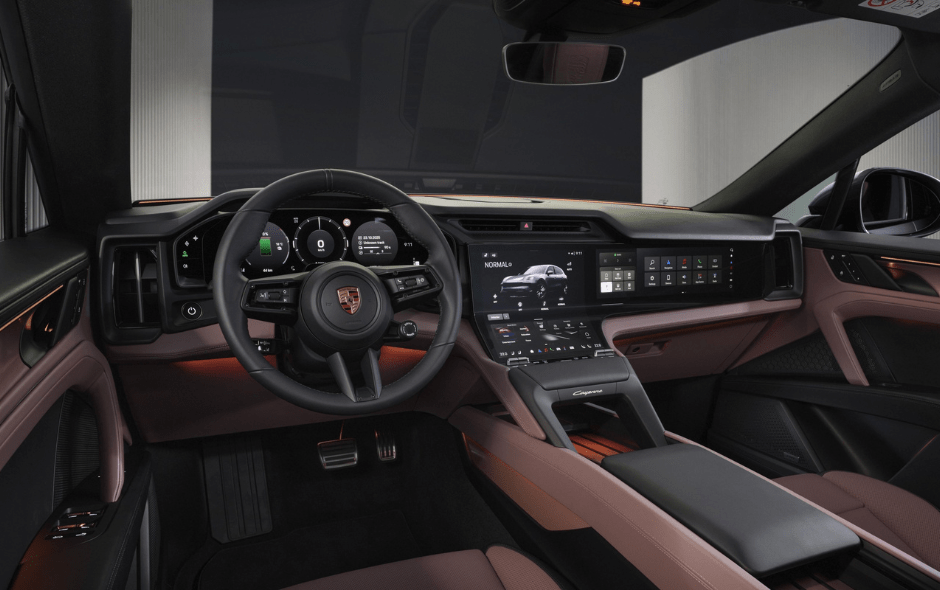
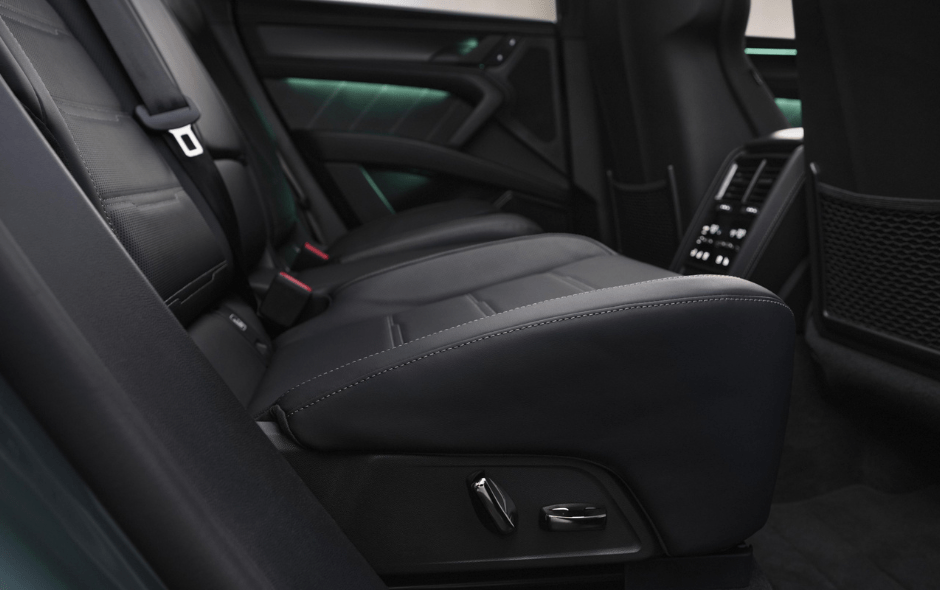
Inside, they skipped the current trend of burying the driver under a mountain of distracting, giant screens. Instead, you get a beautifully integrated, curved “Flow Display” LED touchscreen that blends right into the dashboard. The materials are top-tier, focusing on long-term durability and clean, under-the-radar luxury rather than cheap digital flashiness. It is an interior designed to age incredibly well.
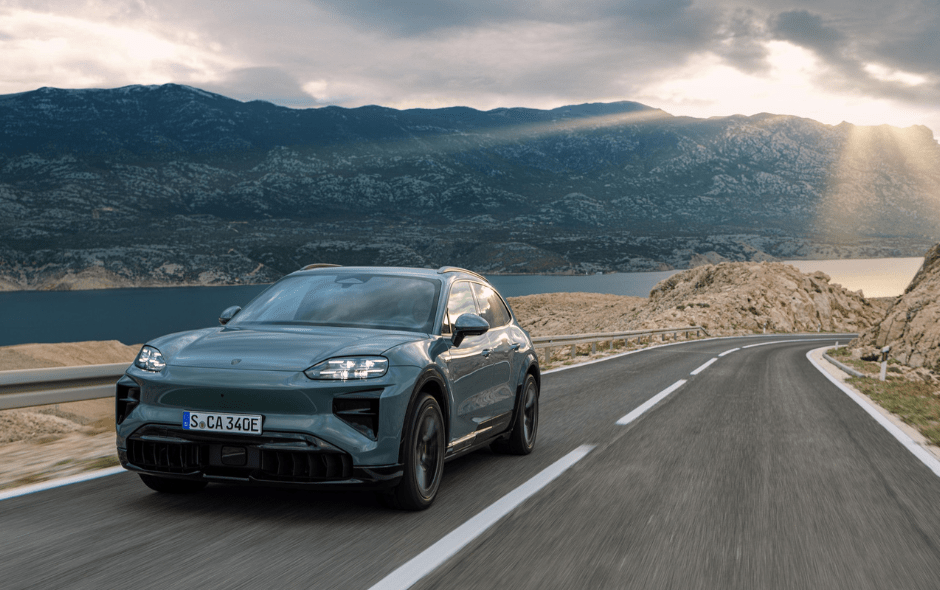
At the end of the day, a Porsche has to handle things well. This thing weighs over 2.5 tonnes, so it really shouldn’t feel nimble — but it does. Thanks to standard air suspension and some incredibly clever active chassis tech on the Turbo, it hides its weight brilliantly.
Tackling the twisty mountain roads outside of Barcelona, the SUV feels like it shrinks around the driver. Leave it in “Normal” mode, and it is a plush, effortless city car. Pop it into “Sport Plus,” and you hit the sweet spot where the steering tightens up and the body stays perfectly flat through corners. Hit the “Push to Pass” button, and the wall of instant electric torque hits so hard it genuinely alters your perception of how fast a big car can move.
To make up for the lack of an engine roar, Porsche created a custom digital soundtrack for Sport Plus mode. Usually, fake car noises feel incredibly gimmicky, but this one actually works, giving you great audio feedback that matches your acceleration.
The Reality Check
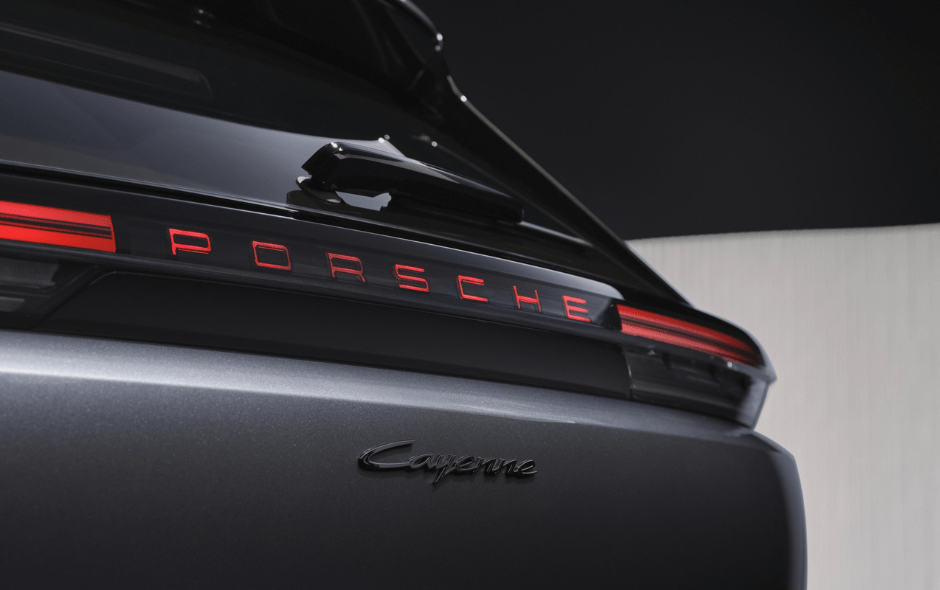
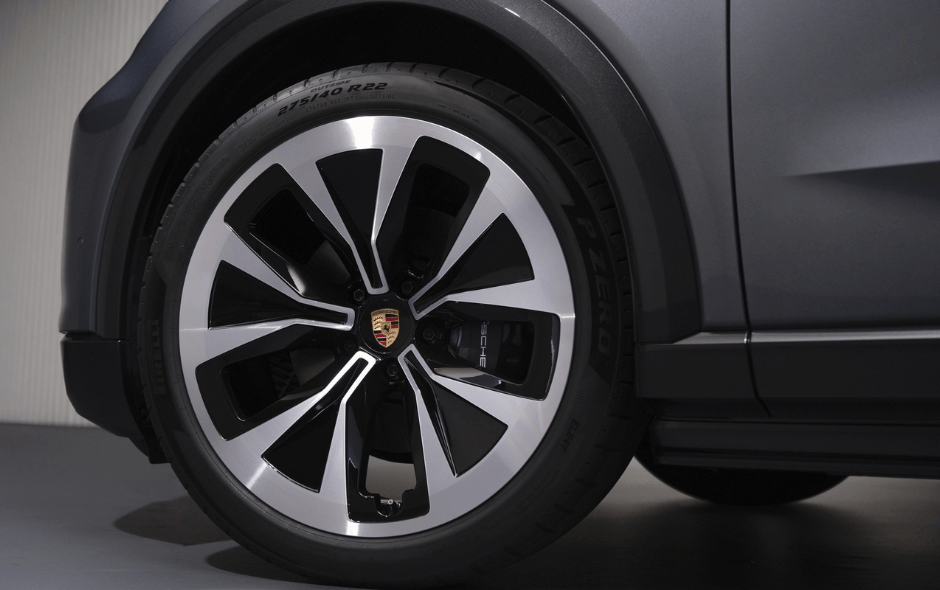
Of course, owning a machine like this comes with a few trade-offs. Sending 1,500 Nm of torque through sticky, custom Pirelli P Zero R tyres means you are going to absolutely shred rubber if you drive with a heavy foot. Maintenance, high taxes, and replacement parts are going to be a very expensive reality for owners.
If we are being completely honest, the base Cayenne Electric is the smarter, more practical everyday purchase. It is plenty fast, handles beautifully, and makes way more financial sense. But the Turbo Electric isn’t a sensible choice; it is an engineering statement. It is over-the-top, totally unnecessary, and absolute magic to drive. By going electric, Porsche didn’t lose what made the Cayenne special — they just dialed it up to eleven.
Technical Specifications
Cayenne Turbo
- Max Power: 630 kW / 857 PS (Nominal power)
- 850 kW / 1156 PS (Launch Control)
- Max Torque 1500 Nm
- Battery: 113 kWh (800V architecture)
- 10 minute Charge = 315 km on DC 800V
- 10-80% recharge: 16 min on DC 800V
- 11 kW full charge: 11 hrs
- 22 kW full charge: 5.8 hrs
- Range: 564 – 624 km in combined mode
- 0-100 km/h: 2.5 sec (Launch control)
- 0-200 km/h: 7.4 sec
- Top Speed: 260 km/h
- Electrical consumption WLTP combined: 22.4 – 20.4 kWh/100 km









One Comment