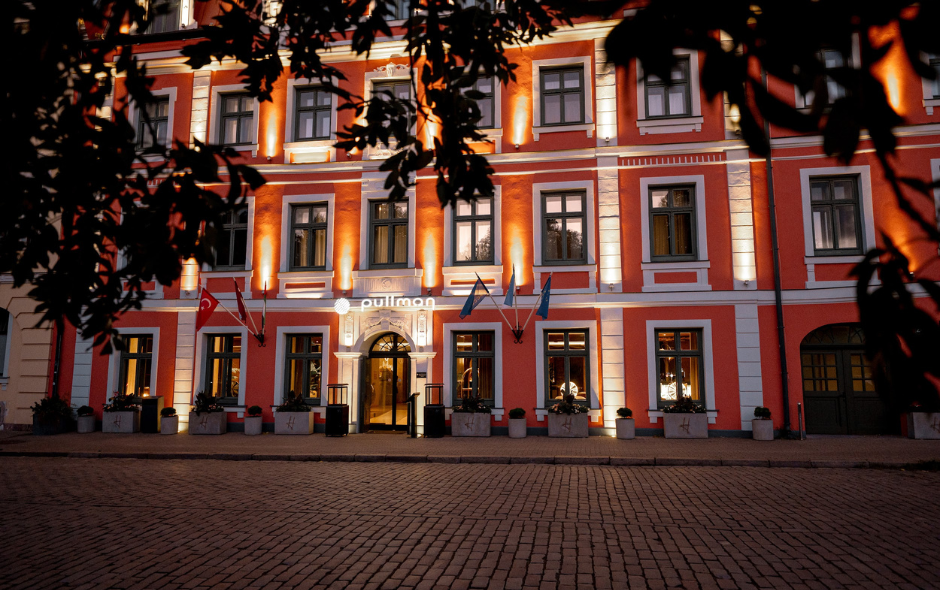
Set within a restored 18th-century building in the heart of Riga’s Old Town, Pullman Riga Old Town offers a refined balance between heritage and contemporary travel. Following its recent renovation, the hotel reflects a philosophy that prioritises intuitive service, sustainability, and a sense of calm presence.
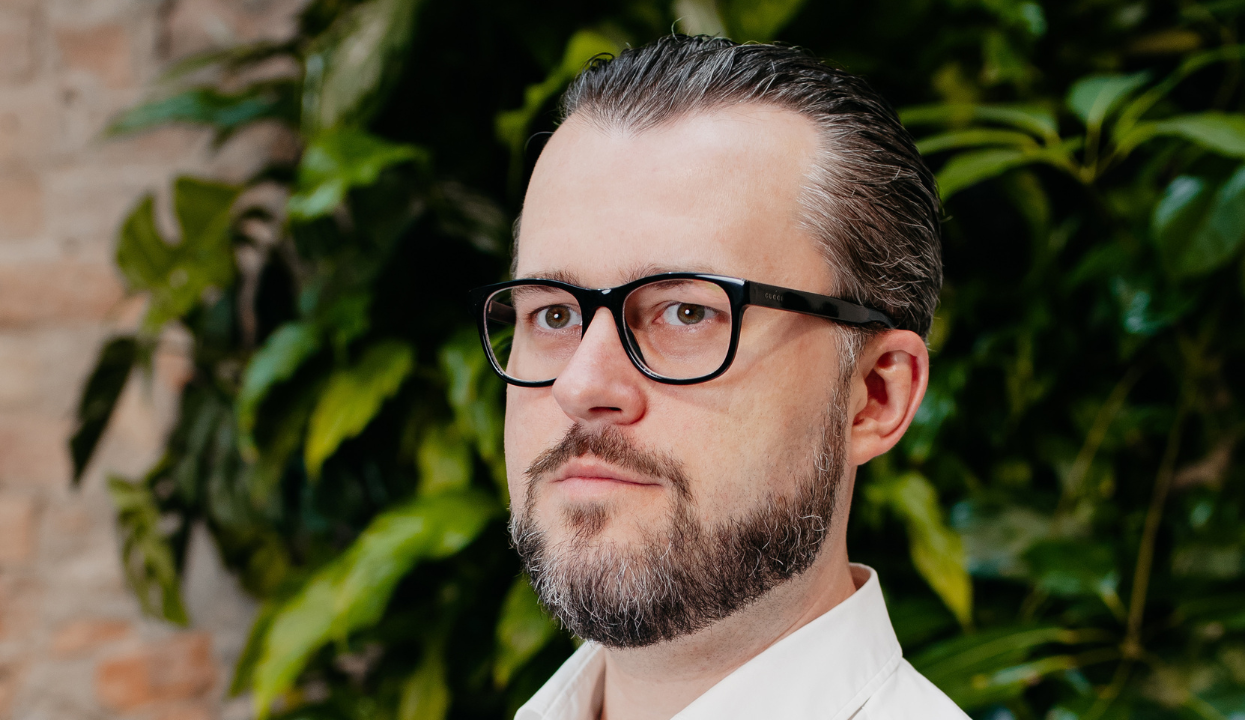
General Manager Paweł Pańczak brings a thoughtful perspective shaped by decades in luxury hospitality. In this conversation, he reflects on how Riga reveals itself slowly, why modern travellers are redefining luxury through rhythm and routine, and how the most meaningful service is often the least visible.
BEFORE BECOMING GENERAL MANAGER OF PULLMAN RIGA OLD TOWN, WHAT MOMENTS OR DECISIONS IN YOUR CAREER MOST SHAPED THE WAY YOU NOW DEFINE LUXURY HOSPITALITY?
Over the years, I’ve learned that real luxury isn’t about gold leaf or expensive materials; it’s about anticipation. Early in my career, I realised that the most powerful moments occurred when a team member noticed a guest’s small habit — such as the specific way they take their coffee — and had it ready before they even asked.
At Pullman Riga, I define luxury as the luxury of ease. We are set in a beautiful 18th-century building, but our approach is modern: it is about being seamless and intuitive so the guest doesn’t have to think about the “how” — they can simply enjoy the “now.”
PULLMAN RIGA OLD TOWN SITS IN A CITY THAT ISN’T ALWAYS ON THE FIRST-TIME TRAVELLER’S CHECKLIST — YET GUESTS WHO COME OFTEN STAY LONGER OR RETURN. WHAT DO YOU THINK RIGA OFFERS THAT REVEALS ITSELF SLOWLY RATHER THAN INSTANTLY?
Riga is a city of layers. On the surface, you see Art Nouveau façades and church spires, but its true charm lies in its rhythm. It’s the Quiet Centre, where buildings tell stories dating back to 1789, or the way light falls across Bastejkalns Park just outside our front door.
Riga invites unhurried discovery. Guests stay longer because they realise they don’t just want to see the city — they want to live it: finding hidden courtyard cafés or exploring the local art scene. It is a capital that does not shout for attention; it quietly earns it.
HOW HAS GUEST BEHAVIOUR CHANGED IN RECENT YEARS? ARE YOU SEEING MORE TRAVELLERS PRIORITISING RHYTHM, ROUTINE, AND LONGER STAYS OVER TRADITIONAL SIGHTSEEING?
Absolutely. We’ve moved away from the “checklist” traveller. Today, our guests are often balancing work and life. They might be here for a meeting, but they stay an extra few days to work from our atrium or use our 19-metre pool.
They prioritise well-being over transit. They want a morning run through the park, a “Greener Breakfast” with local Latvian honey, and a productive afternoon in a space that feels like a home, not just a hotel room. They aren’t looking to escape their life; they’re looking to live it better while they travel.
THE HOTEL OCCUPIES A HISTORIC 1789 BUILDING, YET HAS BEEN FULLY REIMAGINED FOR CONTEMPORARY TRAVEL. HOW DO YOU PERSONALLY APPROACH THE BALANCE BETWEEN PRESERVING HERITAGE AND EVOLVING WITH MODERN EXPECTATIONS?
For us, the building’s history provides the soul, but it should never be a constraint. We treat the 18th-century architecture as a canvas for contemporary life.
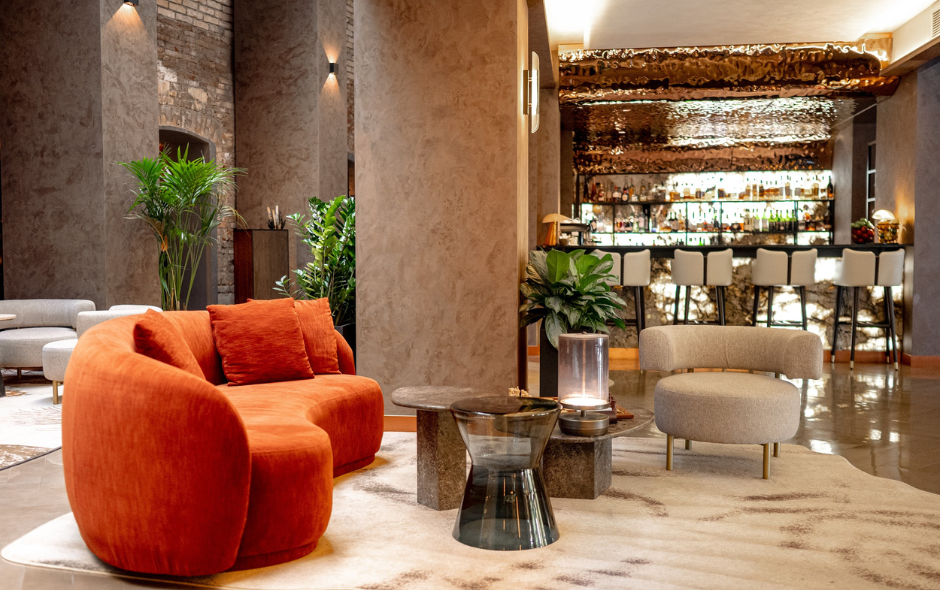
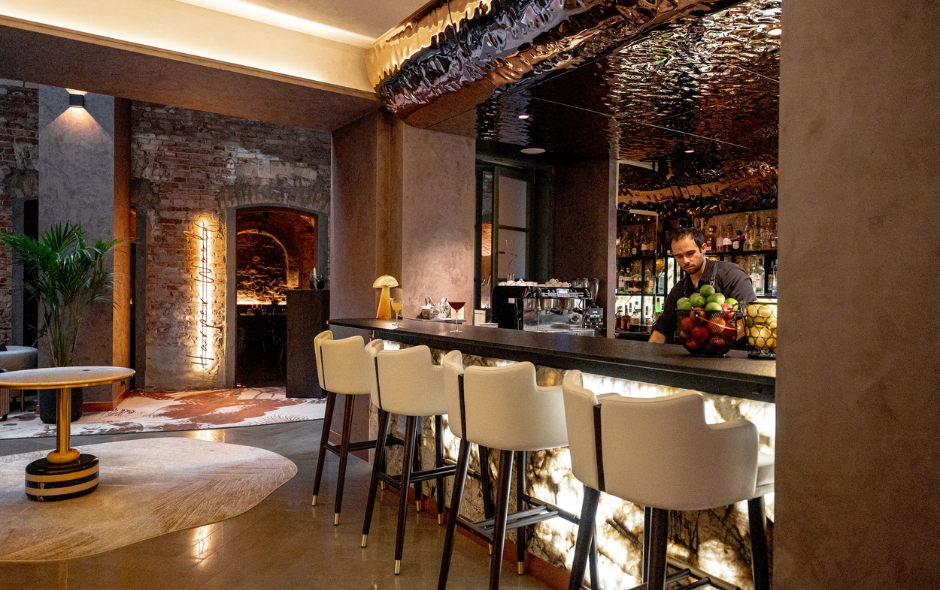
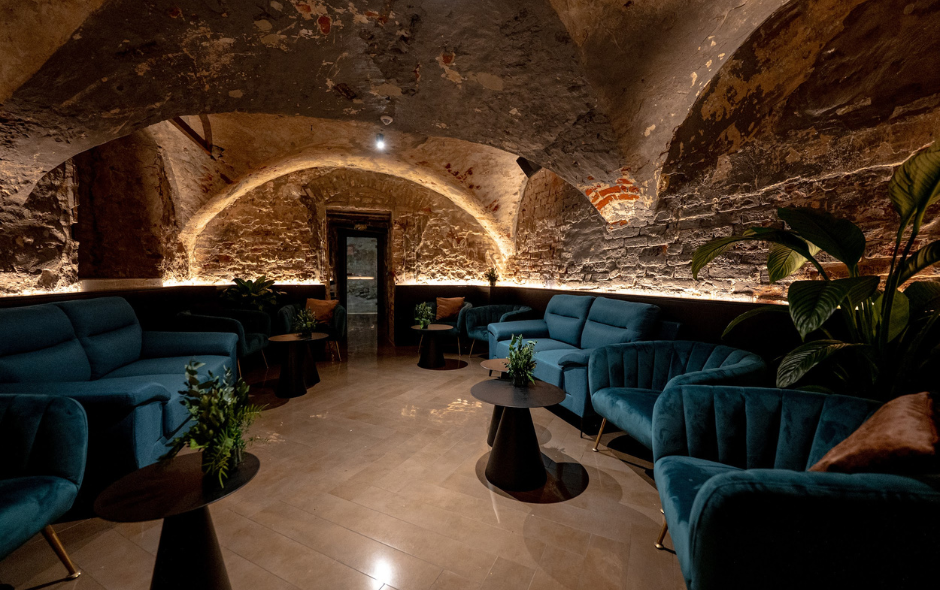
My approach is “heritage restyled”. We preserve original brickwork and the neoclassical façade because they give the place its character, while layering in the substance: seamless technology, minimalist design, and high-end comfort. Guests should not have to choose between historic atmosphere and modern sleep quality — the contrast is what makes the experience unique.
IN A WORLD WHERE MANY TRAVELLERS FEEL PRESSURE TO DOCUMENT EVERY MOMENT, HOW DO YOU THINK HOTELS CAN CREATE ENVIRONMENTS THAT ENCOURAGE PRESENCE RATHER THAN PERFORMANCE?
At Pullman, we focus on progress — and you cannot move forward if you are always behind a lens. After our 2025 renovation, we emphasised the luxury of ease: making everything so seamless that guests simply enjoy the moment.
We have created spaces where guests can connect, work, or recover at any time — from productive mornings in the atrium to restorative sessions in the pool. When a hotel feels like a home and anticipates your needs — even having your coffee prepared exactly as you like it — you stop performing and start living.
SUSTAINABILITY IS INCREASINGLY EXPECTED RATHER THAN EXCEPTIONAL. AS A GREEN GLOBE CERTIFIED PROPERTY, HOW DO YOU ENSURE RESPONSIBLE PRACTICES ARE INTEGRATED QUIETLY INTO DAILY OPERATIONS WITHOUT BECOMING PERFORMATIVE?
As a Green Globe Certified property, responsible practices are embedded in our daily operations: energy-efficient systems, careful water management, waste separation, and thoughtful sourcing from local Latvian suppliers. These are standards, not marketing messages.
What makes it work is our team. When colleagues understand why sustainability matters, it becomes part of everyday decision-making — from housekeeping to the kitchen — rather than a visible initiative.
For guests, it feels seamless. We focus on greener choices that feel like an upgrade, not a compromise — local Latvian honey at breakfast, or smart technology managing energy behind the scenes. Sustainability should be consistent, measurable, and quietly integrated — and that is exactly how we approach it.
FROM A GENERAL MANAGER’S PERSPECTIVE, WHAT DO REPEAT GUESTS VALUE MOST — AND WHAT DO THEY RARELY TALK ABOUT, BUT DEEPLY NOTICE?
Repeat guests value recognition above all else. It is the feeling of coming home, where the team remembers their favourite room or how they take their morning coffee.
What they rarely mention — but deeply notice — is consistency. They notice that the lobby scent is exactly as they remember, or that the floorboards in the historic 1798 wing retain their comforting character. They notice the quiet details: frictionless check-in and a team that anticipates needs before a word is spoken.
It is this invisible service that builds the strongest loyalty.
IF A GUEST WERE TO SPEND AN UNPLANNED EXTRA DAY IN RIGA, HOW WOULD YOU SUGGEST THEY EXPERIENCE THE CITY — NOT AS A VISITOR, BUT AS SOMEONE BRIEFLY LIVING THERE?
I would tell them to leave the map in the room.
Start the morning with a slow walk through Bastejkalna Park right outside our door, just watching the city wake up. Then, head to the Central Market—not just to look at the architecture of the old Zeppelin hangars, but to buy some seasonal berries or local rye bread like a resident would.
Spend the afternoon in the Quiet Center, looking up at the Art Nouveau carvings, and then find a small, “non-touristy” cafe to simply sit and read for an hour. To live in Riga is to appreciate the stillness and the small, high-quality details of daily life.
End the day with a glass of local birch juice or a craft beer in a courtyard in the Old Town, just breathing in the Baltic air.
In an era when luxury is often equated with excess, Paweł Pańczak’s philosophy feels refreshingly grounded. At Pullman Riga Old Town, luxury is not defined by spectacle, but by ease — a seamless experience that allows guests to slow down, settle in, and connect with a city that reveals itself gently over time.
Like Riga itself, the hotel rewards presence over performance, rhythm over urgency, and discovery over display. And perhaps that is the most modern luxury of all: the freedom to simply be where you are.