The instinct to be “first” is overrated.
By the time a destination trends, it has already shifted. Infrastructure adapts. Angles get standardised. Expectations arrive before you do.
Finding a place before it goes viral is not about secrecy or superiority. It’s about timing. And timing has less to do with algorithms than with attention.
The most rewarding destinations are rarely undiscovered. They are simply under-amplified.
The question, then, is not how do you find somewhere no one has been?
It’s how do you recognise somewhere before everyone is looking at it the same way?
Look For Depth, Not Noise
Hype moves quickly. Depth accumulates slowly.
If a place’s primary online presence is a single viewpoint, a single café, a single aesthetic moment, it may already be flattening. Viral destinations often compress into recognisable frames.
Longevity, by contrast, reveals itself through layers.
Ask:
* Does the city have residential neighbourhoods people genuinely live in?
* Are there institutions (museums, markets, parks) used by locals as much as visitors?
* Is there rhythm beyond the weekend?
Cities that endure are not built around attention. They are built around life.
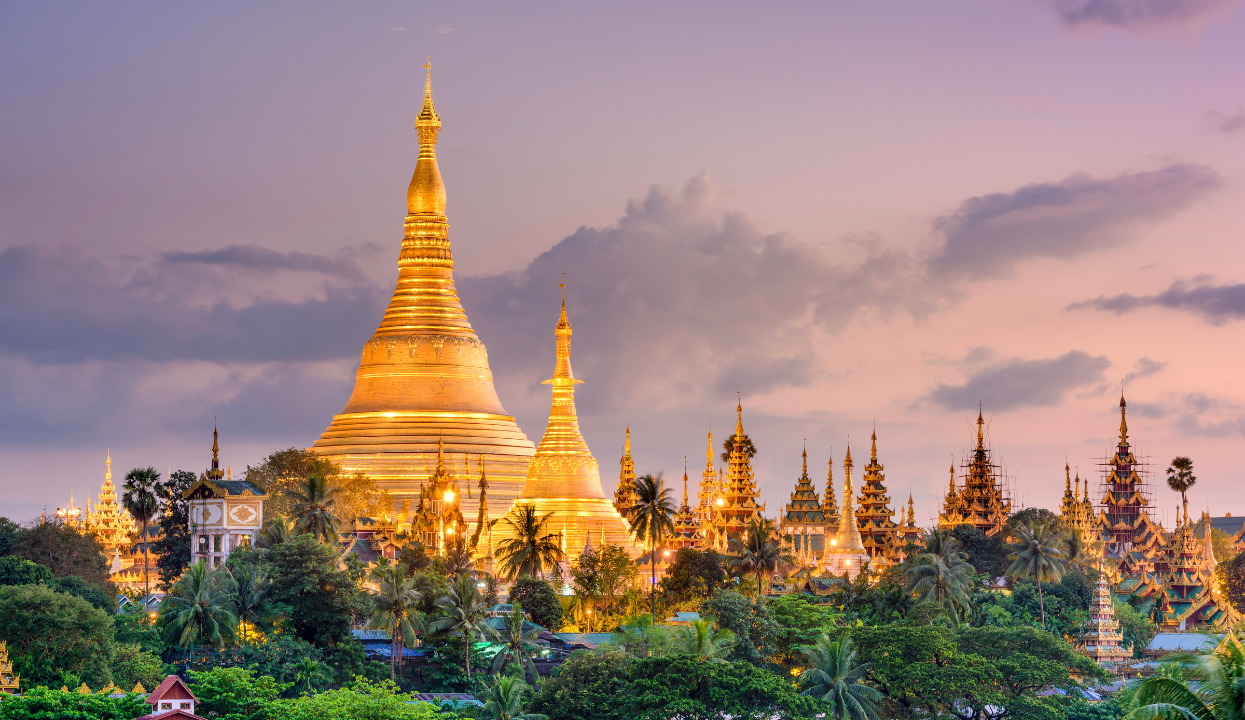
Yangon, for example, rarely dominates trending travel lists, and that is part of its appeal. Its skyline is anchored not by spectacle alone, but by presence: the gilded silhouette of the Shwedagon Pagoda rising over the city, the expanse of Inya Lake catching light at different hours of the day.
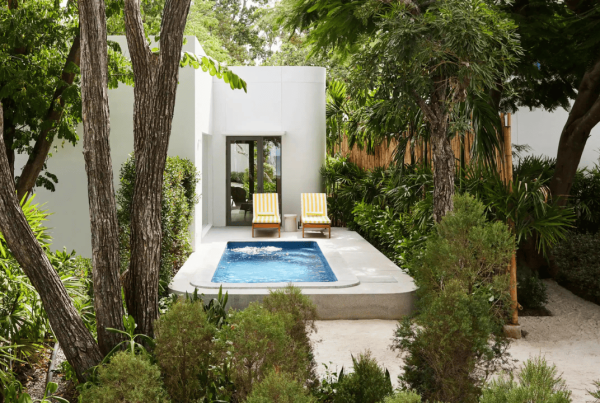
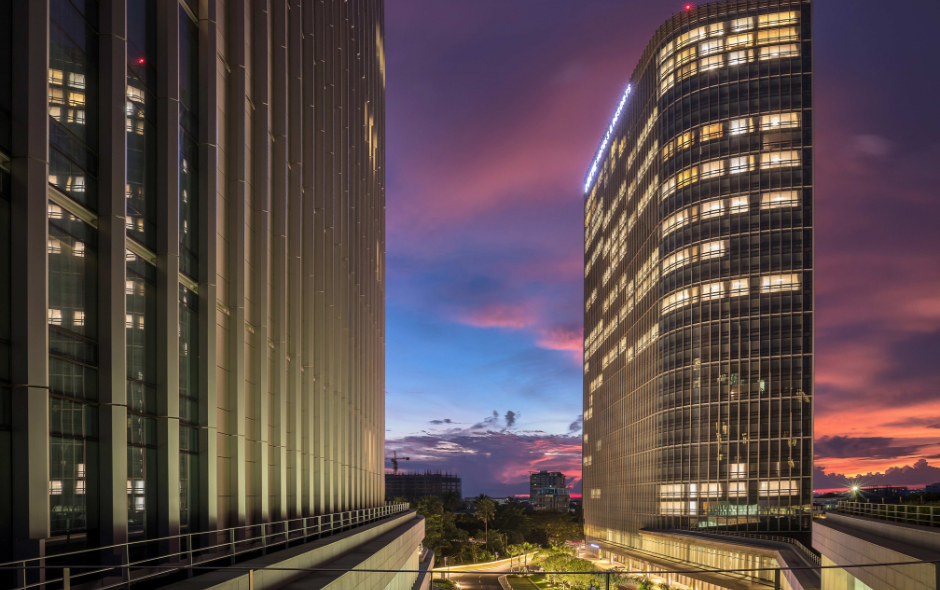
Staying at LOTTE HOTEL YANGON places you directly within that duality. Located on the banks of Inya Lake, with views stretching toward both water and pagoda, the hotel feels anchored rather than performative. Its infinity pool overlooks the lake; its spa, fitness centre and business facilities reflect a property designed to serve both international travellers and local life.
It is not positioned as a novelty. It is part of the city’s ongoing narrative.
That distinction, between spectacle and substance, is often your first signal.
Follow Where People Stay, Not Just Where They Visit
Another way to identify longevity: examine where people choose to live temporarily.
Short-term tourism chases landmarks. Long-stay travellers choose neighbourhoods.
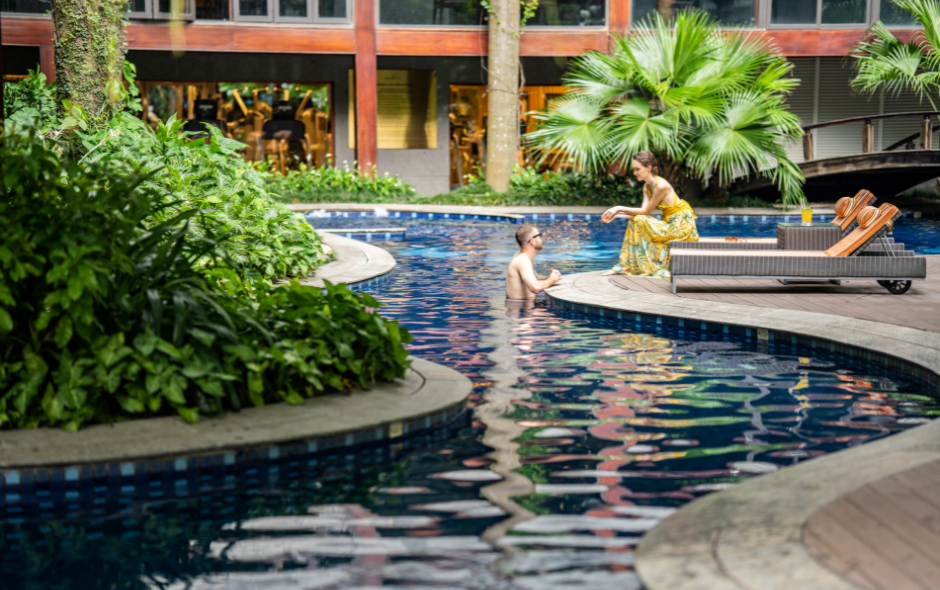
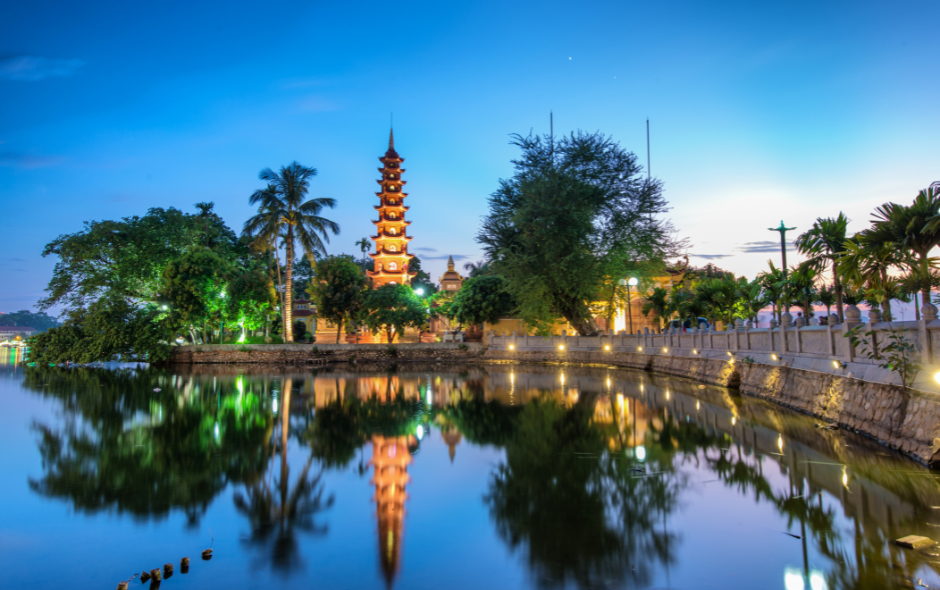
Fraser Suites Hanoi offers a useful lens here. Overlooking scenic West Lake in the Tay Ho district, a residential area known for its mix of expatriates and locals, it sits deliberately outside the immediate intensity of the Old Quarter. Just a 10-minute drive from the historic centre, it allows access without immersion fatigue.
The property comprises 280 fully furnished serviced residences, from studios to duplex apartments across two tower wings. Tower A carries a quieter, classic interior language; Tower B, opened in 2021, introduces a more contemporary feel. With kitchens, living areas, and space to settle in, the architecture encourages rhythm over rush.
This matters.
When a property is built for weeks rather than nights, it changes how you engage with a city. You grocery shop. You repeat restaurants. You learn the shape of the lake at different times of day. You use the gym, the pool, the steam room — not as indulgence, but as routine.
Destinations that support this kind of living tend to age well.
Because they are not consumed. They are inhabited.
Notice Infrastructure Before Attention
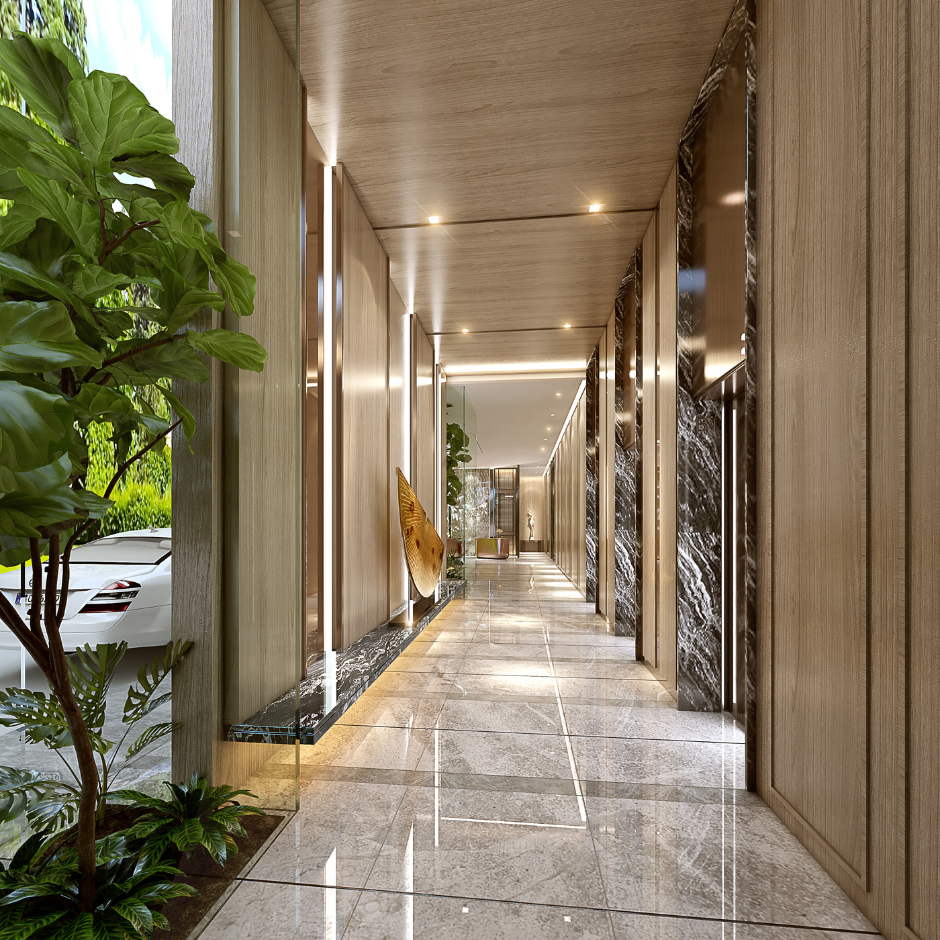
Virality often follows infrastructure, not the other way around.
Before a city trends, look at:
* Are there high-quality hotels opening quietly?
* Are international brands investing?
* Are restaurants evolving beyond tourist menus?
* Is there evidence of long-term planning?
When established hospitality groups invest in places like Yangon or Hanoi’s West Lake district, they are not betting on a single season. They are reading patterns, economic, cultural, regional, that extend beyond the current social cycle.
The presence of a comprehensive property like LOTTE HOTEL YANGON, with its infinity pool, spa, business centre, shuttle services and extensive guest facilities, signals belief in sustained demand, not fleeting curiosity.
Likewise, the evolution of Fraser Suites Hanoi into a lifestyle and dining hub, complete with an all-day restaurant serving both Singaporean Hainanese chicken rice and Vietnamese classics like bun cha and cha ca, reflects a property designed to serve community, not just passing visitors.
Infrastructure whispers before attention shouts.
Choose Places That Invite Return
Perhaps the clearest indicator that a destination has longevity is this: Would you return without needing to see something new?
Trending destinations are often checklist-driven. Once the iconic image is captured, the incentive to revisit diminishes.
Places built around atmosphere, however, draw you back.
Yangon’s appeal lies not only in its landmarks, but in its atmosphere, the way the light shifts across Inya Lake at dusk, the way religious architecture coexists with colonial remnants and contemporary development. Hanoi’s Tay Ho district offers lakeside walks, neighbourhood cafés, and a pace distinct from the Old Quarter’s energy.
In both cases, accommodation functions as a stabilising force. A lakeside hotel with panoramic views. A serviced residence overlooking water, embedded in daily life. These are not addresses chosen for novelty. They are chosen for sustainability, personal sustainability.
The destinations that last are the ones that don’t exhaust you.
There is a difference.
Being first implies discovery. Being early implies recognition.
You are not searching for untouched corners of the world. You are looking for places on the cusp of wider attention, where infrastructure exists, cultural depth is intact, and identity has not yet been flattened by consensus imagery.
Often, this means turning slightly away from the obvious.
Instead of asking, “Where is everyone going?”
Ask, “Where are people building something lasting?”
Instead of chasing a headline destination, consider:
* A lakeside district rather than a historic core.
* A capital city not currently trending but rich in layered history.
* A property designed for long stays rather than weekend snapshots.
The reward is subtle but significant. You experience a place before it has been over-explained.
The Long View
Virality is immediate. Longevity is cumulative.
Destinations that reward patience, cities like Yangon or neighbourhoods like West Lake in Hanoi, do not depend on a single season of attention. They are structured for continuity. Their hotels are built for repeat guests. Their districts support daily life.
When you travel with the long view in mind, you begin to prioritise differently. You seek depth over drama. Routine over rush. Addresses that anchor rather than amplify.
And often, by the time a place finally trends, you will have already known it, not as a headline, but as a lived experience.
That is the quiet advantage of being early.
Not first.
Just aware.