There was a time when travel photography meant waiting.
Waiting for film to be developed. Waiting to see whether the light had held. Waiting to remember.
Now, the image arrives before the experience has settled. We document in real time. We assess in real time. We share in real time. And in doing so, we sometimes leave before the place has had a chance to speak.
The relationship between visibility and travel has quietly reshaped how we move through the world. Not dramatically. Not maliciously. But measurably.
We choose what will translate.
We prioritise what photographs well.
We navigate toward what has already been seen.
The result is not that we travel less meaningfully, but that we travel more consciously aware of being seen.
And that awareness changes everything.
When Travel Became a Performance
Instagram didn’t invent beautiful places. It simply accelerated consensus.
Within hours, a viewpoint can become iconic. A café can become a pilgrimage site. A hotel corner can become more famous than the city it sits in. And once something has been widely seen, we arrive already knowing what it should look like.
Expectation is no longer personal, it’s collective.
This isn’t inherently negative. Visibility has opened doors to places that may once have been overlooked. It has democratised discovery. But it has also created a subtle pressure: to experience places correctly.
To stand where others stood.
To frame what others framed.
To confirm what has already been confirmed.
In this model, travel becomes less about encounter and more about verification.
The Problem with Recognition
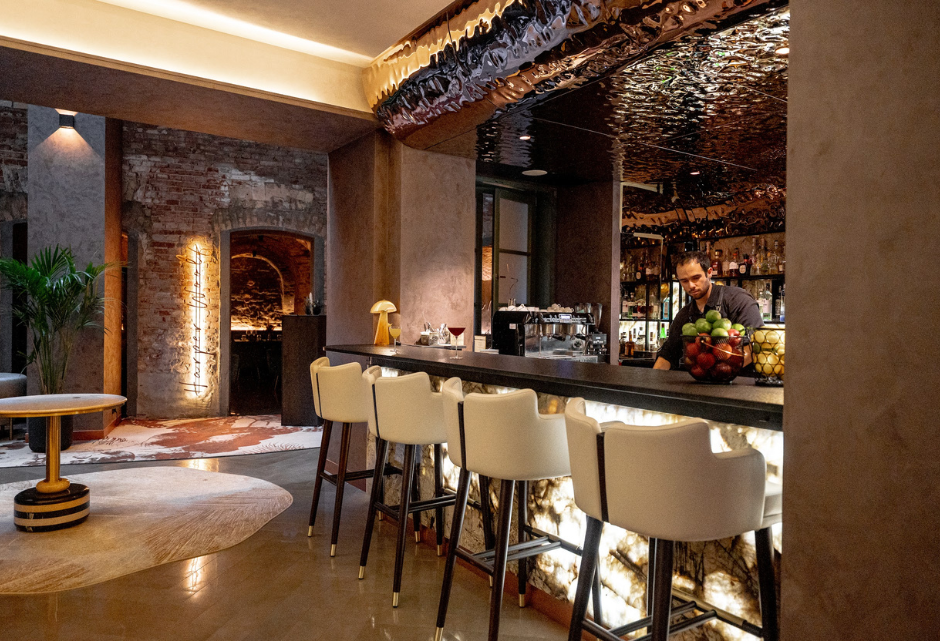
Recognition is satisfying. It reassures us that we’ve arrived somewhere significant.
But recognition rarely leads to revelation.
The places that linger longest in memory are often not the most photographed ones. They are the cities where you wandered without agenda. The hotel where you returned earlier than planned because it felt right. The neighbourhood café where no one was performing, including you.
Quieter places age better in memory because they are not anchored to a single image.
They evolve as you do.
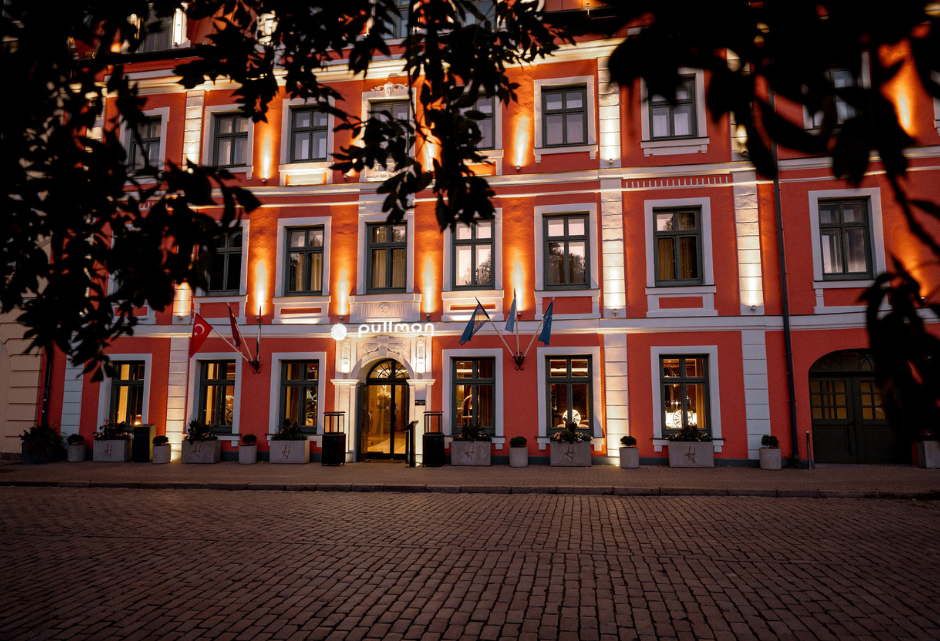
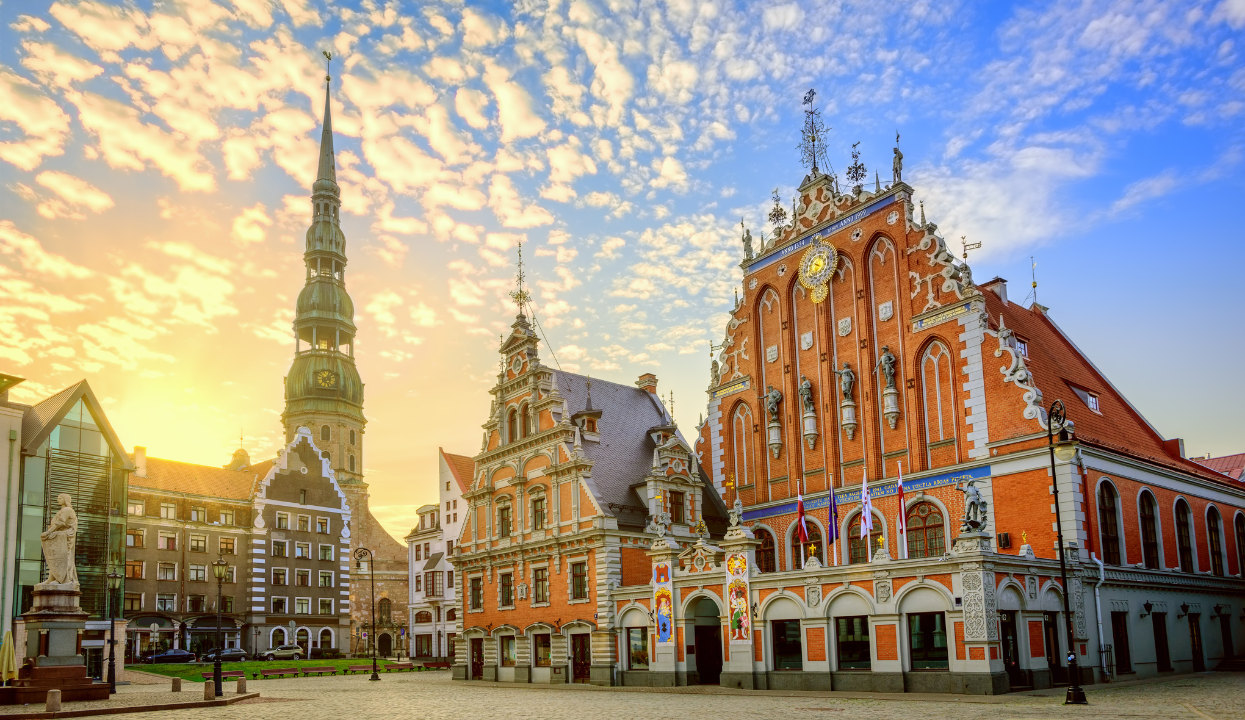
A city like Riga, for example, does not overwhelm on arrival. It reveals itself in layers. From the cobbled calm of the Old Town to the green stretches of Bastejkalns Park, its rhythm feels measured rather than theatrical.
Staying at a property like Pullman Riga Old Town, housed within a restored 1789 building and fully reimagined for contemporary travel, places you directly within that rhythm. Steps from the Presidential Palace and Parliament, the hotel offers proximity without urgency. Its 151 rooms and suites balance heritage with modern clarity, while the seventh-floor Fit&Spa Lounge, with its 19-metre indoor pool and panoramic views across the park, encourages pause rather than spectacle.
It is not a hotel that demands documentation. It functions as a base, a place to return after wandering wihtout a checklist.
And that distinction matters.
Because when a hotel positions itself as a beginning and an end (rather than a backdrop), it changes how a city is experienced.
The Cities That Reward Patience
Some destinations resist instant understanding. They do not compress easily into a single image or caption.
Oran is one of them.
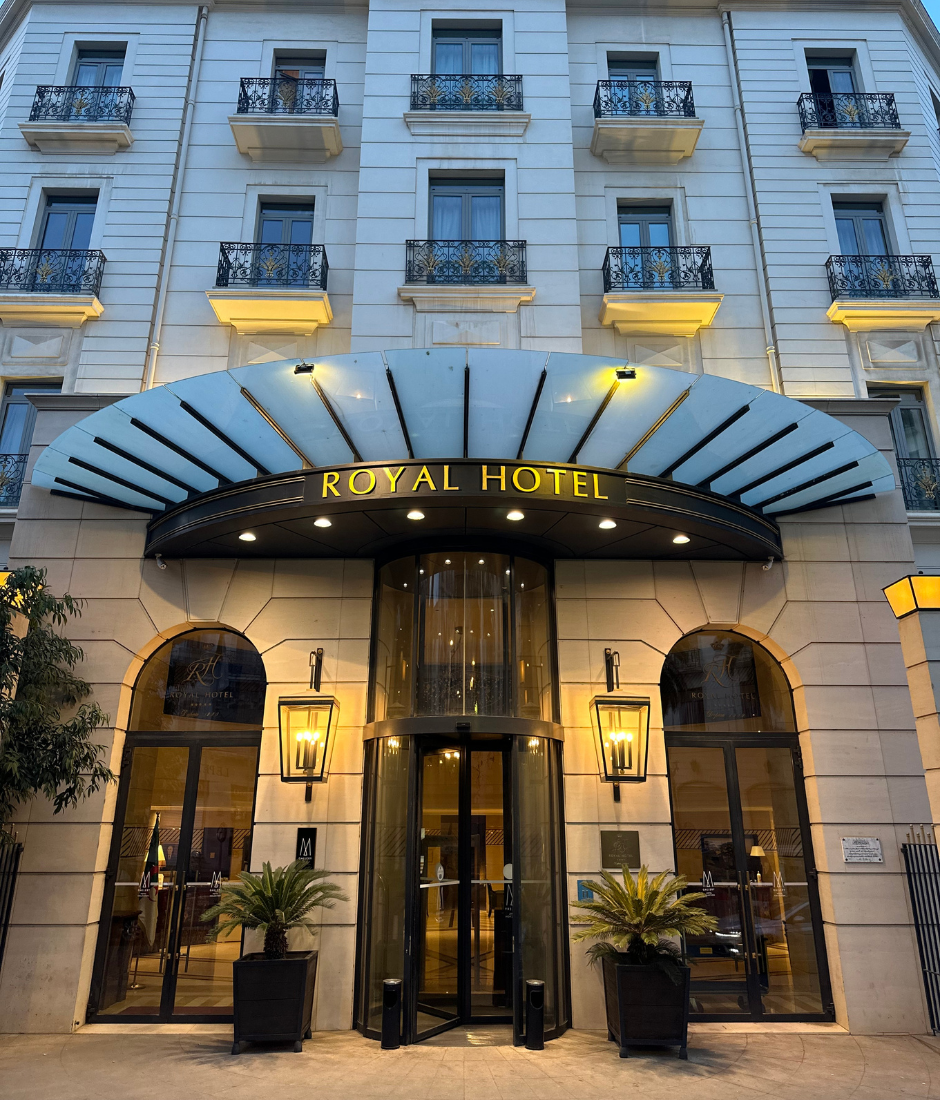
The Royal Hotel Oran – MGallery Collection has stood in the heart of the city since 1920, a historic palace woven into the memory of its residents. Located in the city centre and within walking distance of the waterfront, it offers access not to spectacle, but to continuity.
Carefully renovated with respect for its original character, the hotel carries antique furnishings, Orientalist artworks, sculptures and paintings that reflect Algeria’s layered heritage. It feels less like a curated “moment” and more like an archive you inhabit.
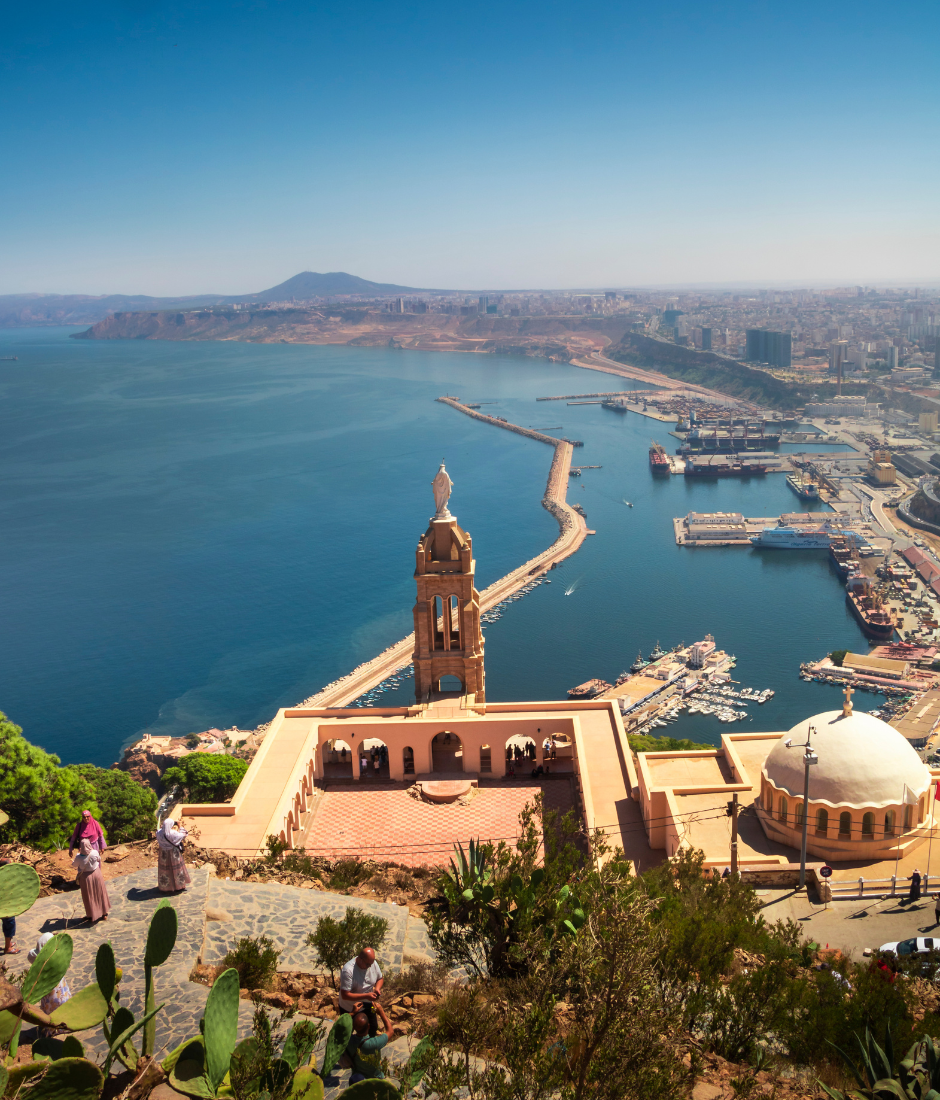
Oran does not unfold through a single viewpoint. It reveals itself in conversation, in architecture, in the quiet dignity of buildings that have witnessed decades of change. Staying in a property like the Royal Hotel Oran invites a different kind of engagement – one that prioritises presence over proof.
There is little incentive here to rush.
And without rush, perception sharpens.
The Joy of the Unphotographed
Some of the most defining travel moments are visually unremarkable.
The second morning in a city when you no longer check directions.
The evening walk taken without intention.
The decision to skip a landmark and sit instead.
These are not Instagram moments. They are interior ones.
When we are not preparing to capture something, our senses recalibrate. We listen more carefully. We notice texture. We allow conversations to extend. Time feels less compressed.
Hotels that understand this subtle shift often create environments where experience precedes exposure. At Pullman Riga Old Town, sustainability practices, from energy efficiency to waste reduction, operate quietly in the background, certified yet unobtrusive. At the Royal Hotel Oran, historical preservation is not aesthetic performance; it is continuity made tangible.
In both cases, the emphasis is not on spectacle but on substance.
And substance does not demand constant translation.
What Happens When No One is Watching
There is a freedom in travelling where you are not measuring the moment against its future visibility.
When no one is watching, you linger longer. You ask different questions. You choose differently. You allow yourself to return.
You may revisit the same café three mornings in a row. You may take the longer route through a park simply because it feels good. You may spend an afternoon at the hotel pool, not because it will impress anyone, but because you have nowhere else to be.
The 19-metre pool overlooking Bastejkalns Park.
The ornate corridors of a 1920 palace in Oran.
The quiet rhythm of streets not designed for viral fame.
These are not absences of experience. They are concentrations of it.
After the Image
None of this suggests abandoning photography or social media altogether. Images are powerful. They preserve and inspire. But perhaps the most luxurious shift we can make is this:
To let the experience lead, and the image follow, if it must.
The best trips are rarely the most visible ones. They are the ones that rearrange your sense of pace. The ones that draw you back rather than send you onward. The ones that feel richer the second time.
They are not defined by how many places you saw.
They are defined by how fully you were there.
And sometimes, the most meaningful proof of travel is the part you never posted at all.