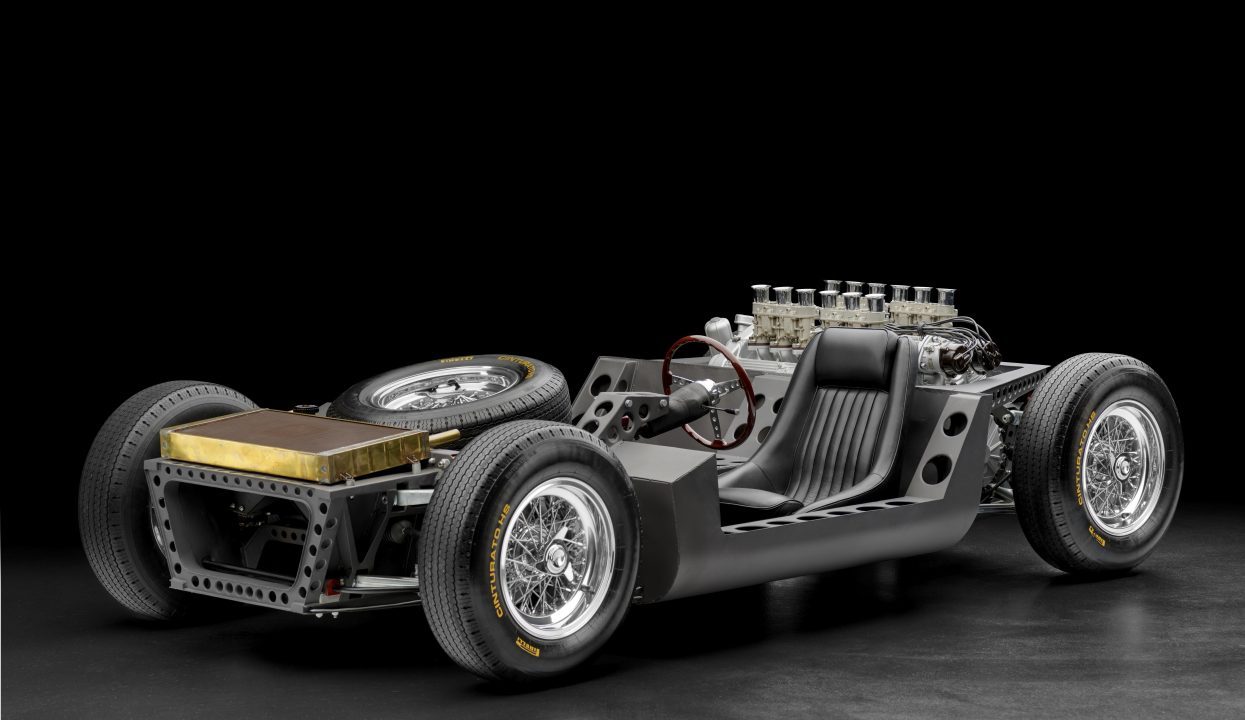
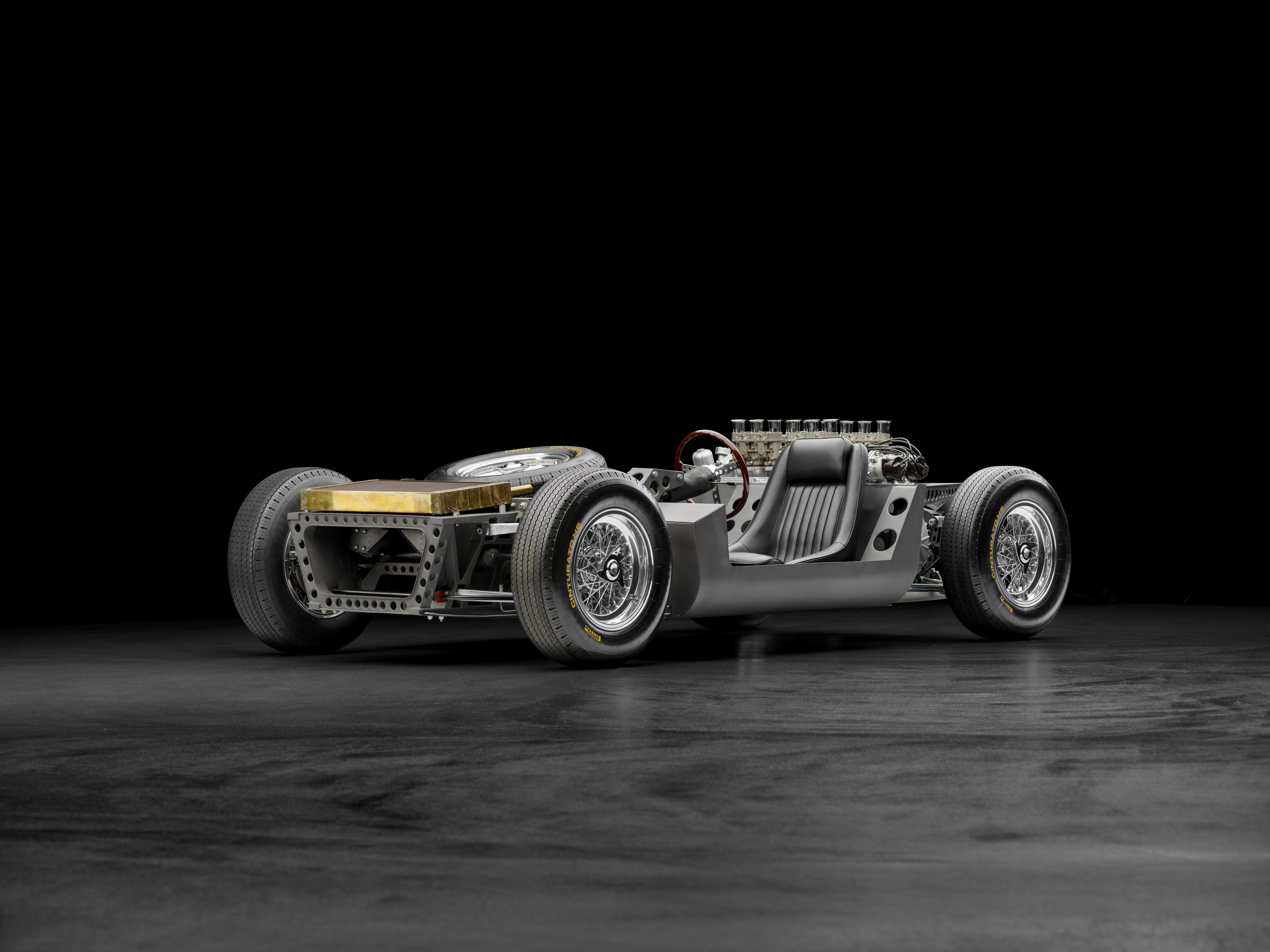
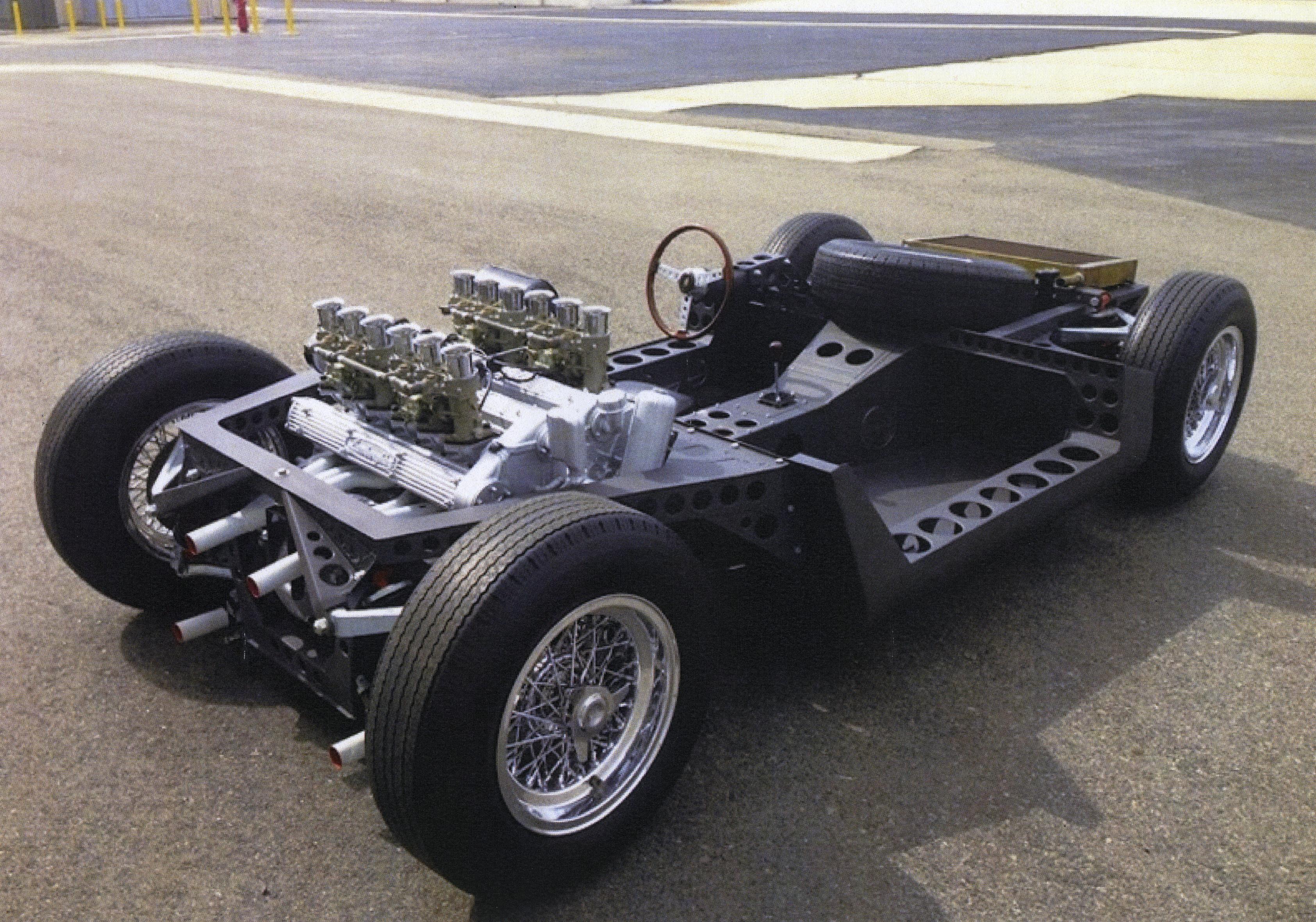
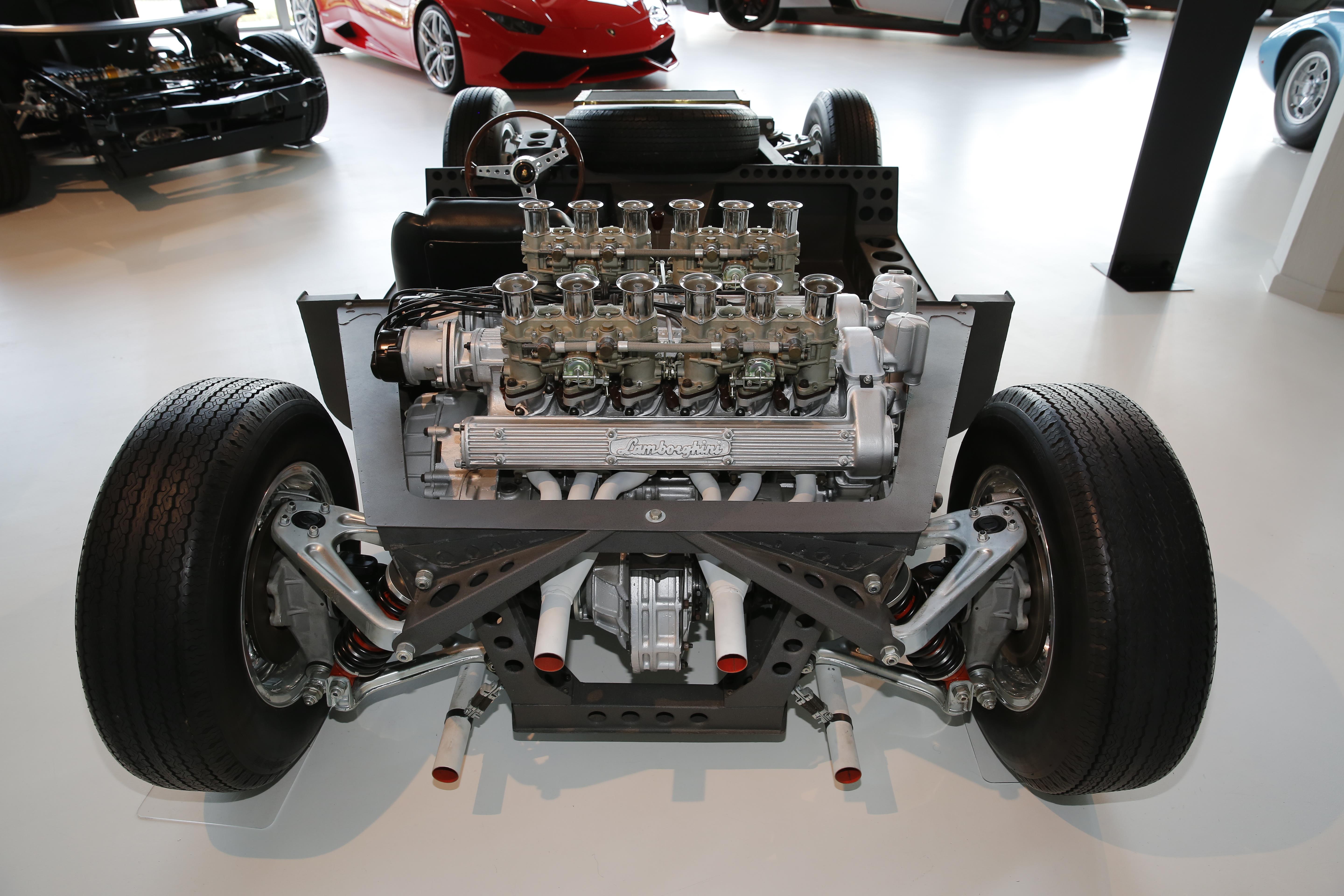
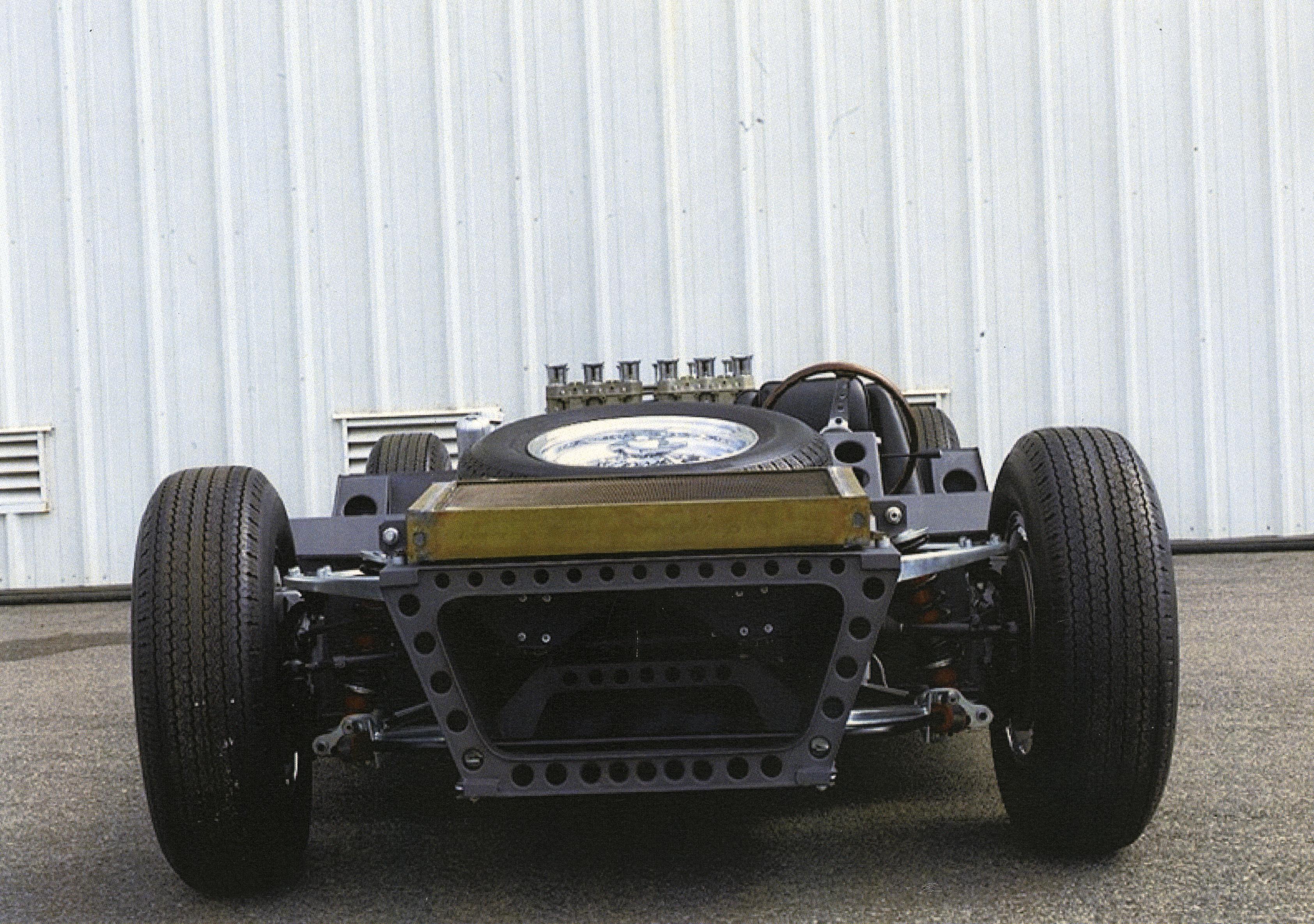
The word ‘icon’ is one that seems to be tossed about almost carelessly nowadays, but one truly legendary car completely, unanimously entitled to that moniker is none other than the Lamborghini Miura. Indeed, at November 1965’s Turin Motor Show, it is the Miura’s revolutionary chassis itself that captures the public’s imagination rather than a complete concept or production model. Denuded to place all of its essence on display formed from folded sheet metal punctuated with myriad drilled openings for weight reduction, within it sits something then never seen before: a 4-litre V12 engine transversely mounted in its mid-rear. At first glance it seemed like it could only be a race car, yet right there at the Lamborghini stand in Turin, it represented nothing less than Sant’Agata Bolognese’s next road going declaration of radical intent that would pioneer an entirely new motoring era. Now widely acclaimed as the world’s first mid-engined supercar, Lamborghini is poised to mark the Miura’s sixtieth anniversary with an array of festivities throughout 2026 including an officially dedicated Polo Storico driving tour.
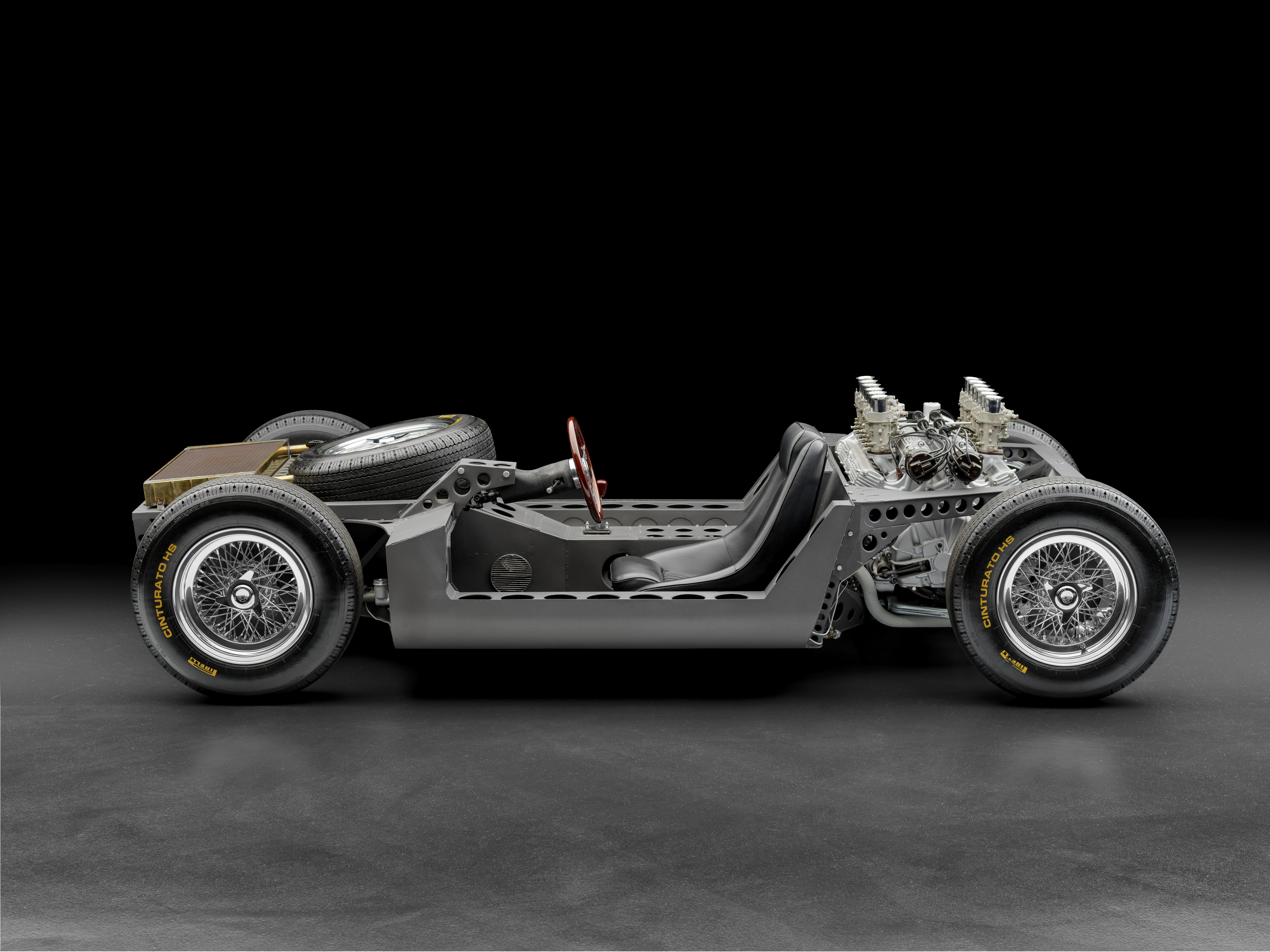
It was summer 1964 when the new car’s first ideation seeds sprung up in the fertile minds of three young intuitive, courageous Lamborghini luminaries: Giampaolo Dallara, Paolo Stanzani and test driver Bob Wallace. Then barely more than 20 years old with a lifetime ahead of them, the trio shared a common vision of steering Lamborghini towards racing glory. Since this wasn’t in Ferruccio Lamborghini’s plans however, they pivoted their revolutionary performance & technological inspirations towards road cars instead. Thus, project L105 was first formed as a light, compact chassis around which an extreme gran turismo body could be drawn. And though he was initially skeptical, in the end Ferruccio trusted them to manifest the P400 chassis & engine with creative freedom and all the technical nous they could muster.
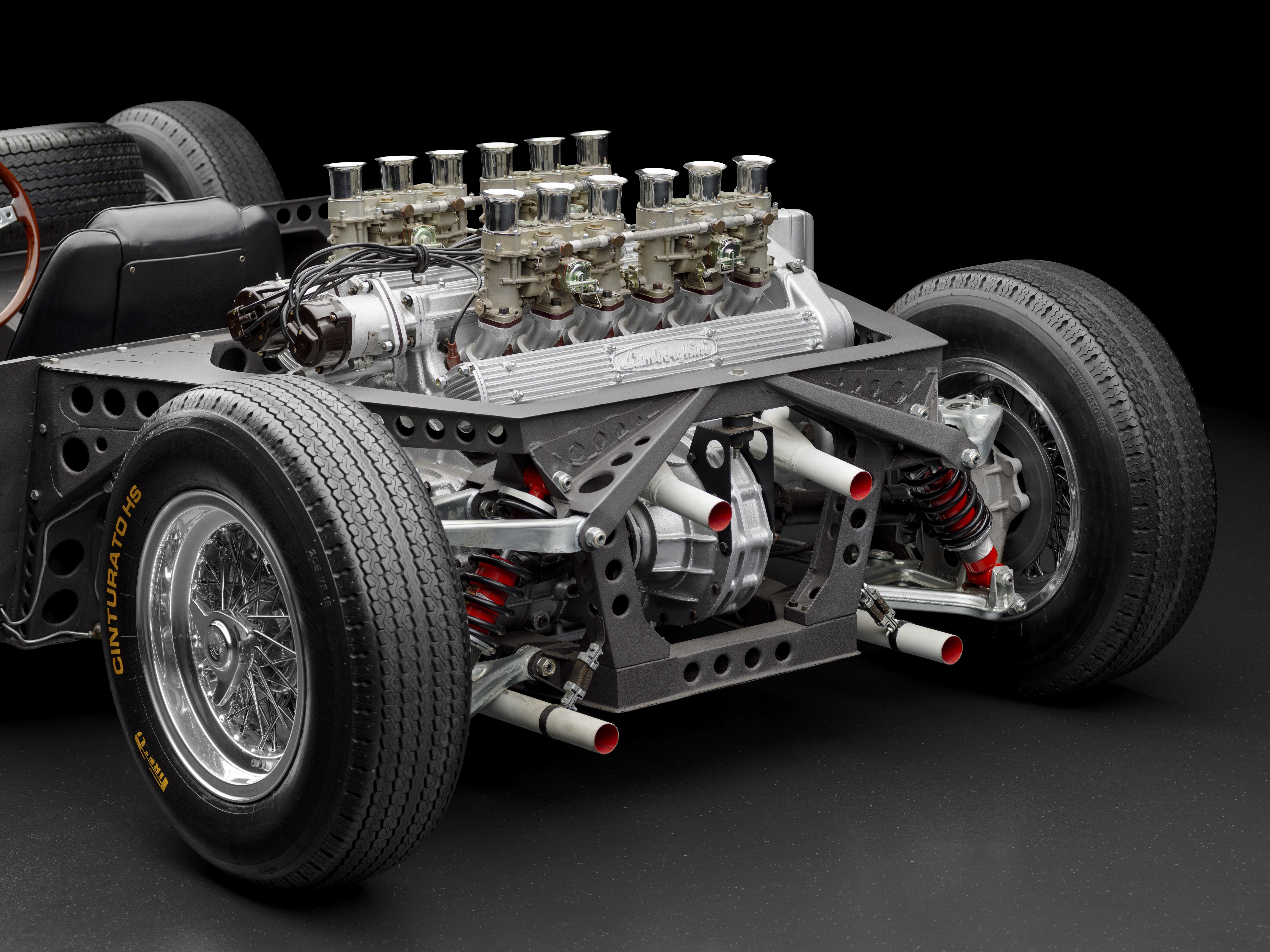
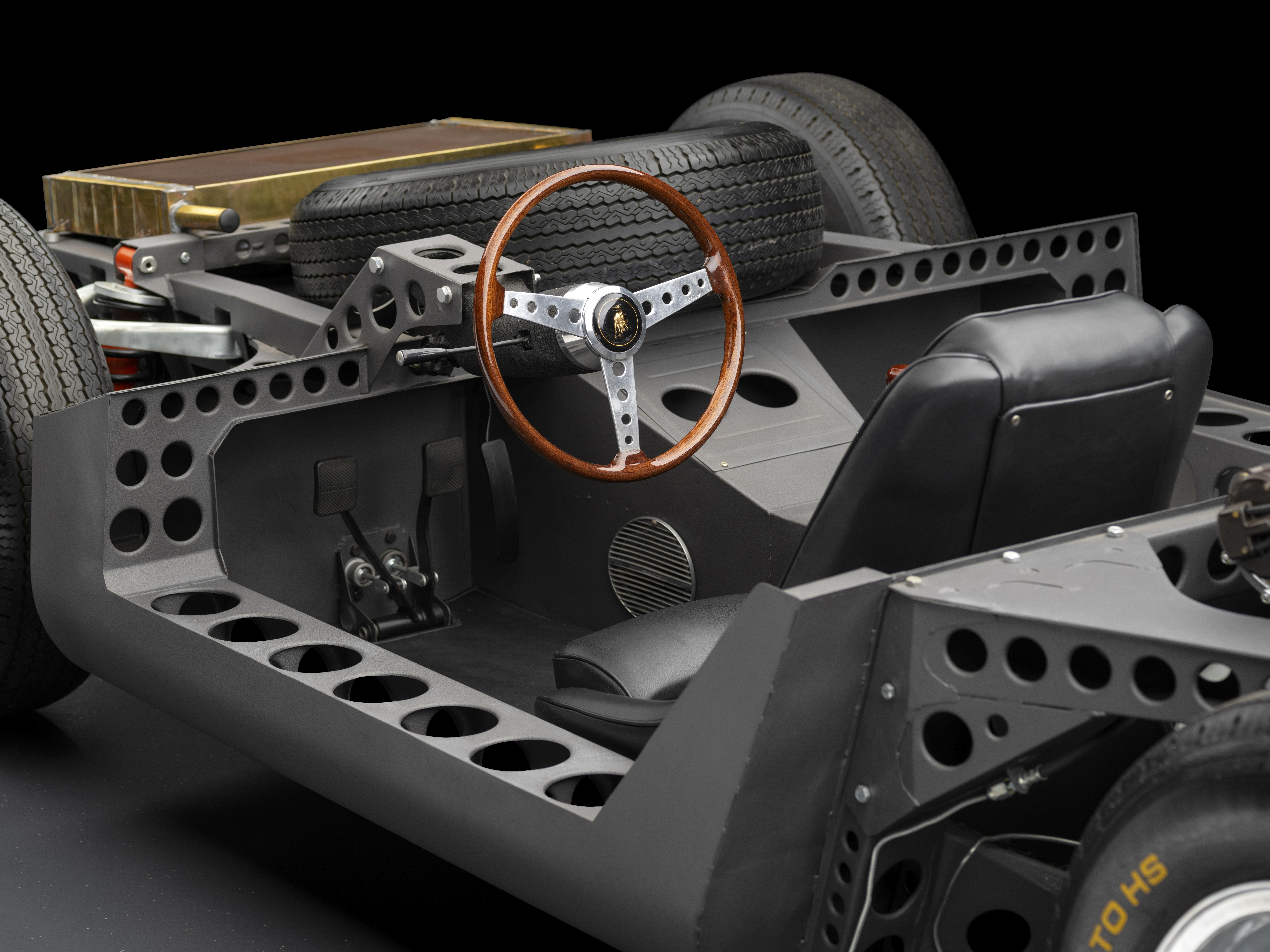
Initially presented in satin black with four white exhaust pipes, contemporary reports described the bones of a car essentially ready for the racetrack, showing the integrity of its technical configuration. Marchesi of Modena built its structure from steel sheets just 0.8-millimetres thick, folded & drilled as much for lightness as rigidity. Its central tub would bear dynamic loads, while auxiliary front and rear subframes mounted the mechanical drivetrain, independent double-wishbone suspension & accessories. Remarkably for its era, total weight did not exceed 120 kilograms; while Girling disc brakes and Borrani wire wheels rounded out a technical package notable for pioneering racing solutions hitherto unseen on any other road car.
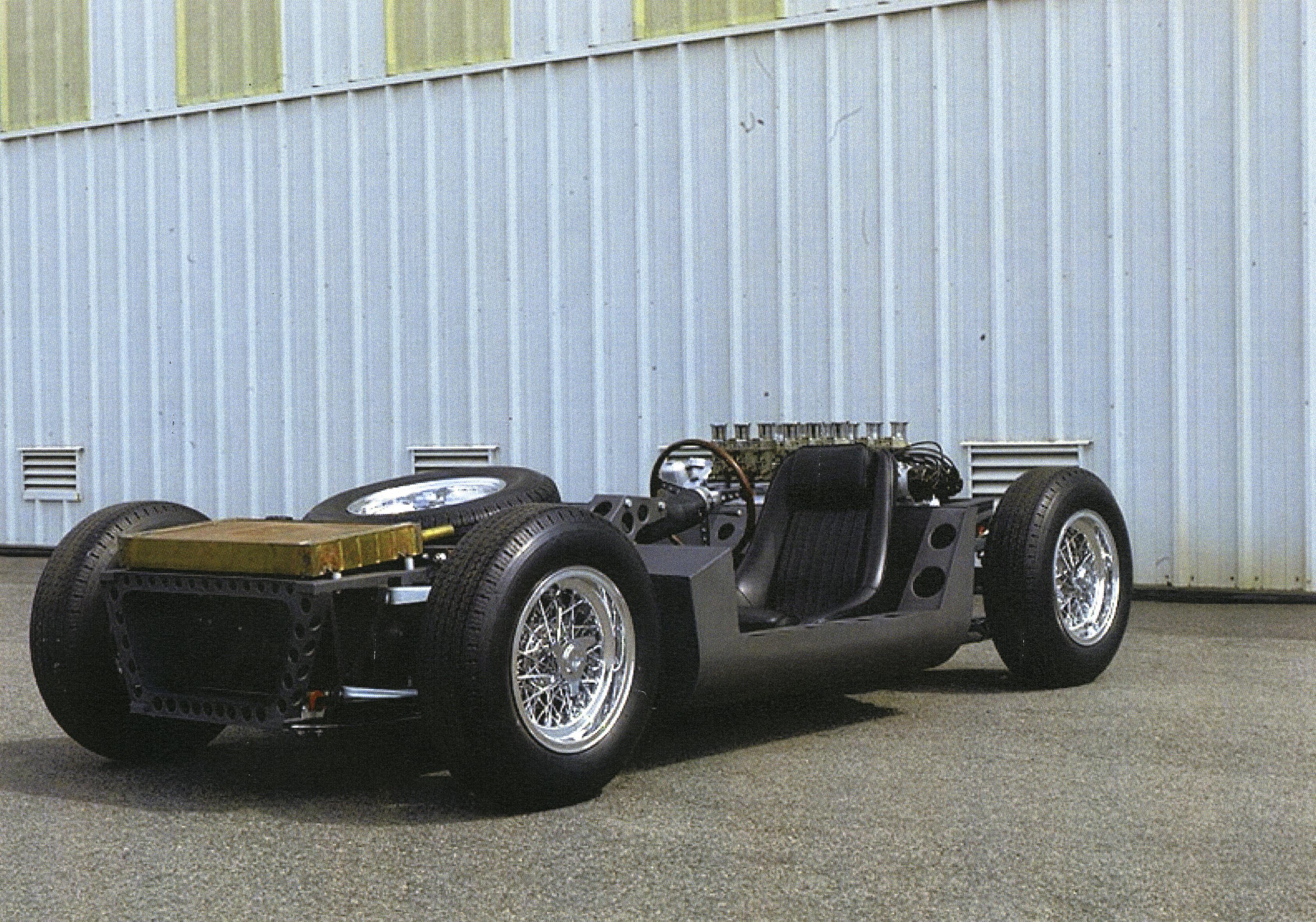
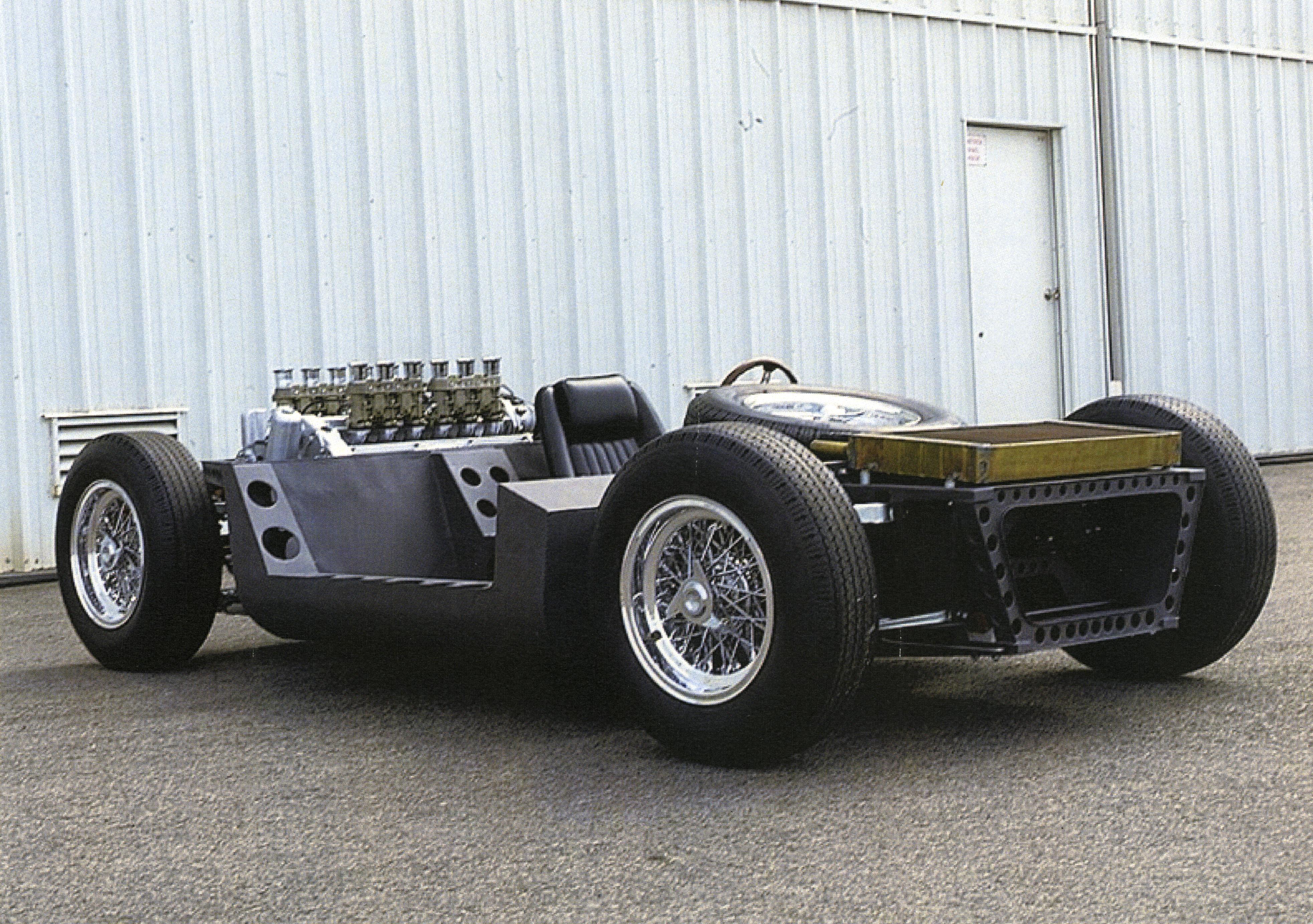
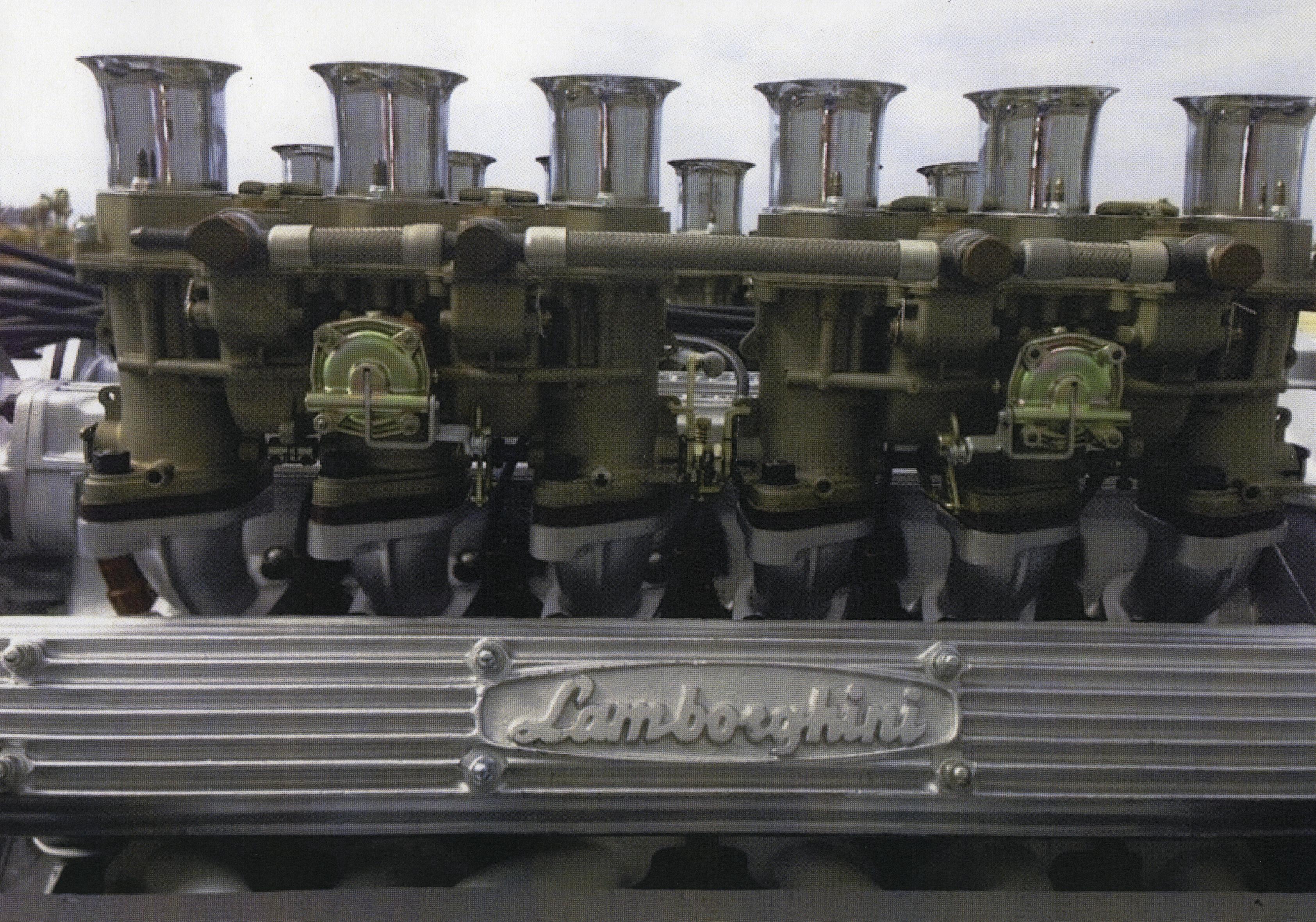
Most distinctive of these was the then unprecedented solution of marrying the V12 engine & gearbox into a unit behind the cabin, reducing size and defining a completely new powertrain architecture. The 12 Weber carburetors’ vertical inlet trumpets sat proudly atop the Bizzarrini engine to complete its technical spectacle, while being a powerful visual statement of having pushed conceptual engineering to the extreme.
With both the press & public duly captivated, Italy’s most prized coachbuilders naturally also made a beeline for Lamborghini’s stand. And though it had arrived at the show without a body, the Miura chassis had been initially offered to Carrozzeria Touring as project “Tigre” even before its public debut. Having already built the 350 and 400 GT, Touring proposed its own design, yet ended up precluded from further collaboration by financial difficulties. As it was bound by other manufacturers, Pininfarina was also unable to make a commitment to the Sant’Agata marque, and Nuccio Bertone ended up swooping in to seize the opportunity.
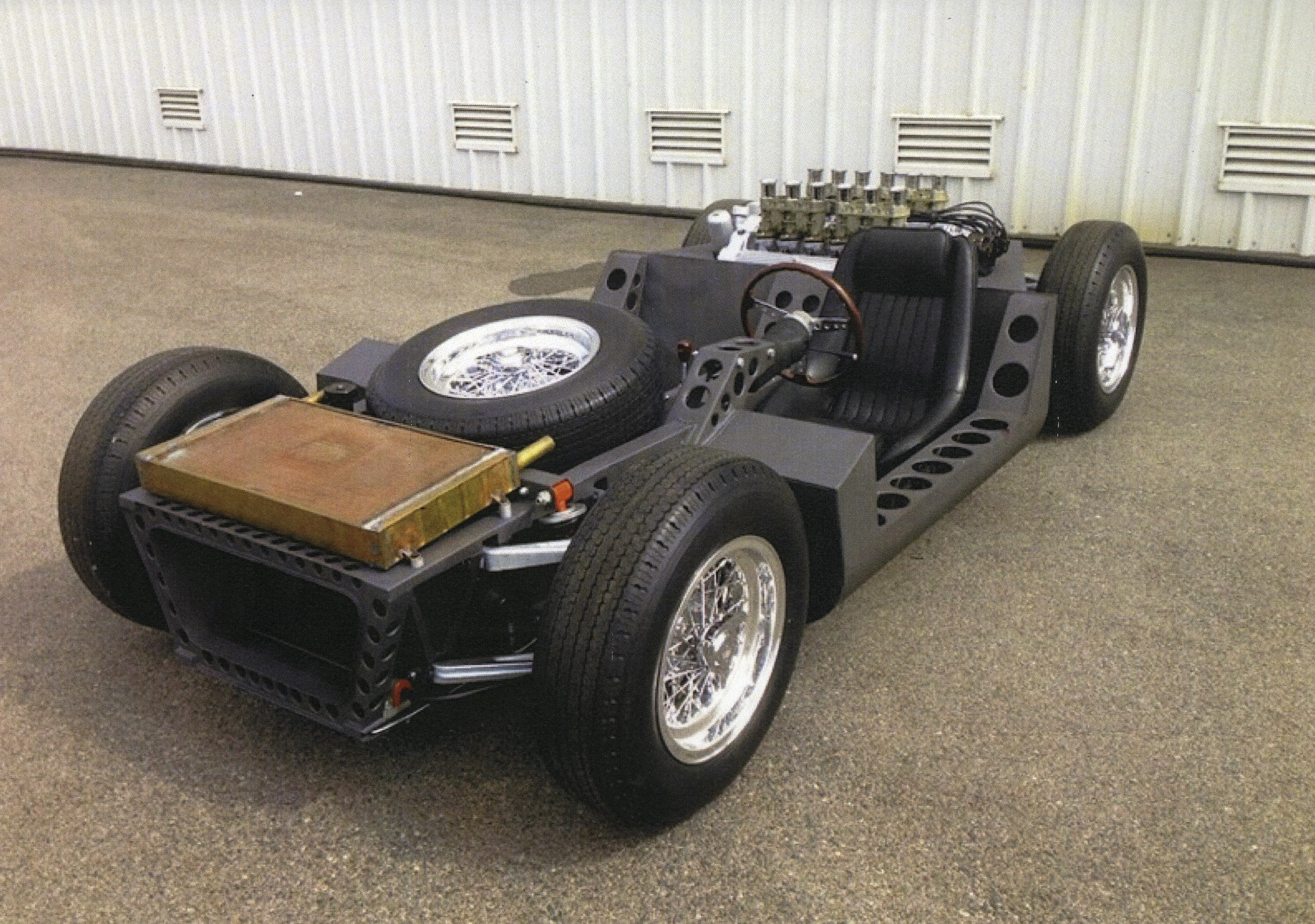
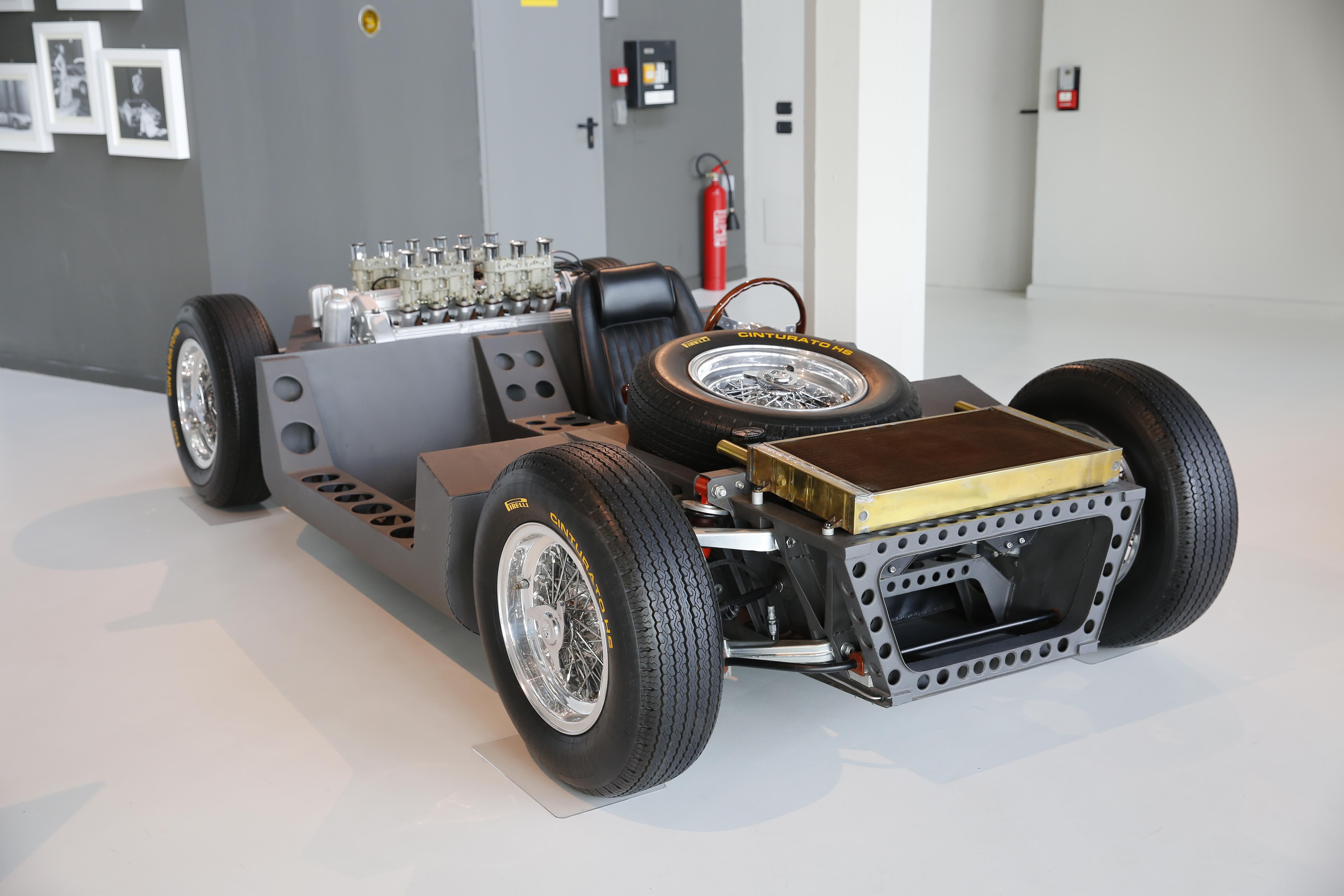
Legend has it that Ferrucio greeted Bertone with the following joke when he arrived almost upon the show’s conclusion: “You are the last of the coachbuilders to show up.” Bertone was unfazed, reportedly replying that his atelier would create “the perfect shoe for this wonderful foot” after examining the chassis. It’s uncertain whether their exchange went precisely that way, yet the tail highlights an immediate common understanding shared between both men. It was therefore decided to entrust Bertone with the new Lamborghini’s bodywork, and once the factory closed for that year’s Christmas holidays, first sketches were presented to Ferruccio, Dallara and Stanzani. So captivatingly beautiful yet technically innovative were its lines, that they were immediately approved as the project’s definitive aesthetic form.
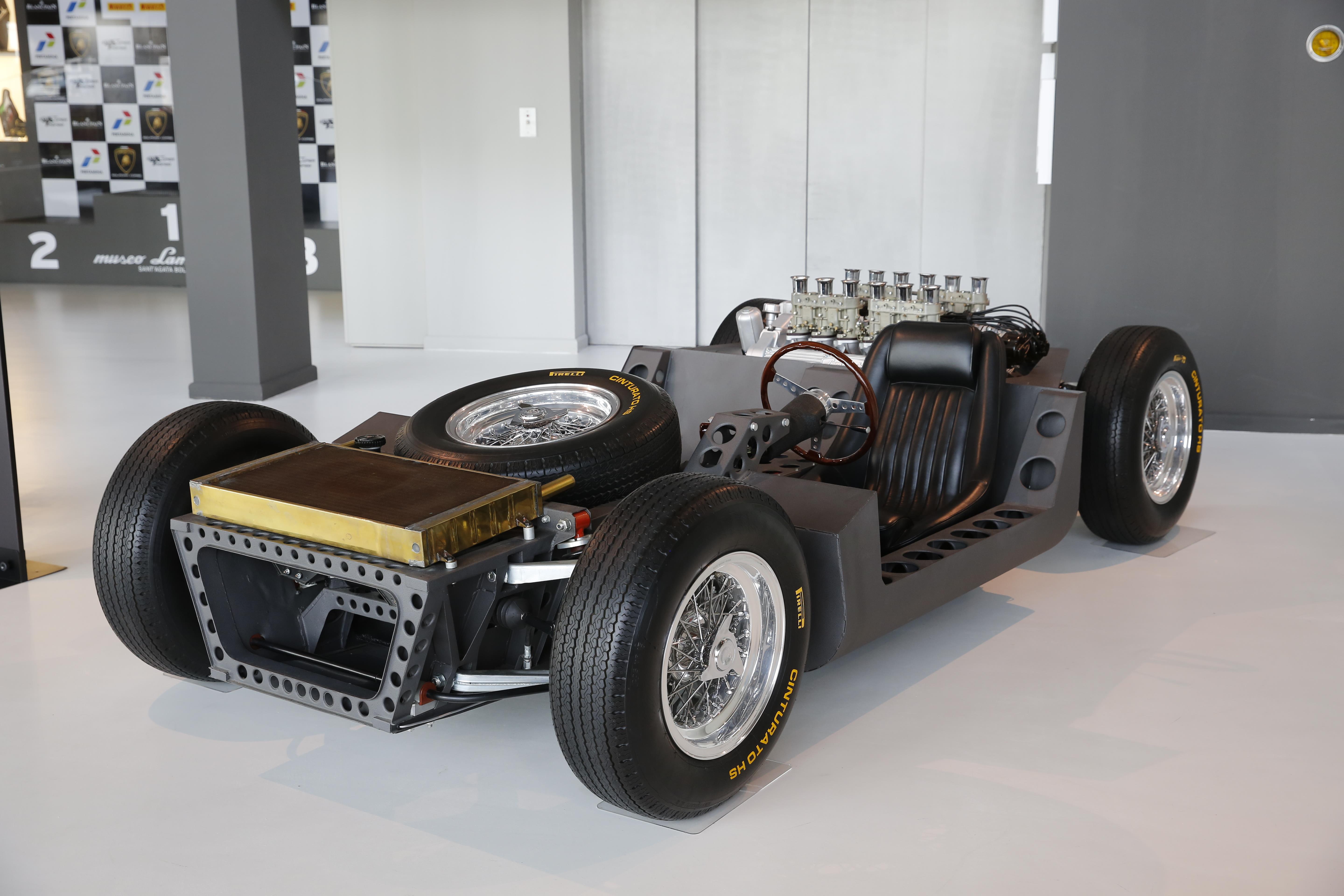
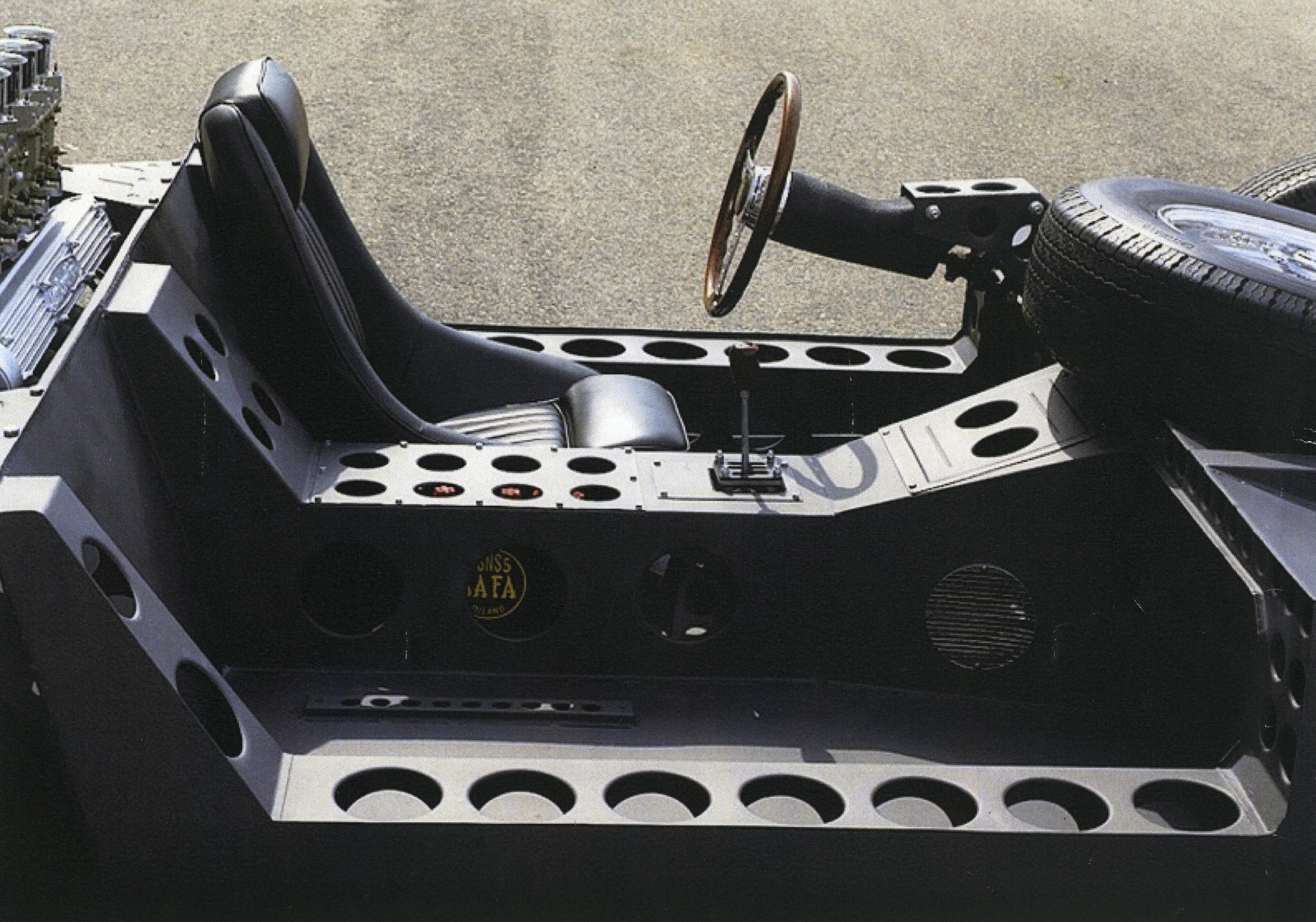
Come the Geneva Motor Show in March the following year, the P400 chassis first shown in Turin set the world alight once more in its evolved form of the legendary Miura. Its historic sixtieth anniversary dawns in 2026, but there its origins lay in seemingly humble origins: a satin-black structure with four white exhausts, twelve vertical carburetor trumpets & a bold decision to show the world its inner workings rather than the bodywork itself. Right in that moment, Lamborghini made its mark as a trailblazer of audacious ideas that could be made into legendary realities.
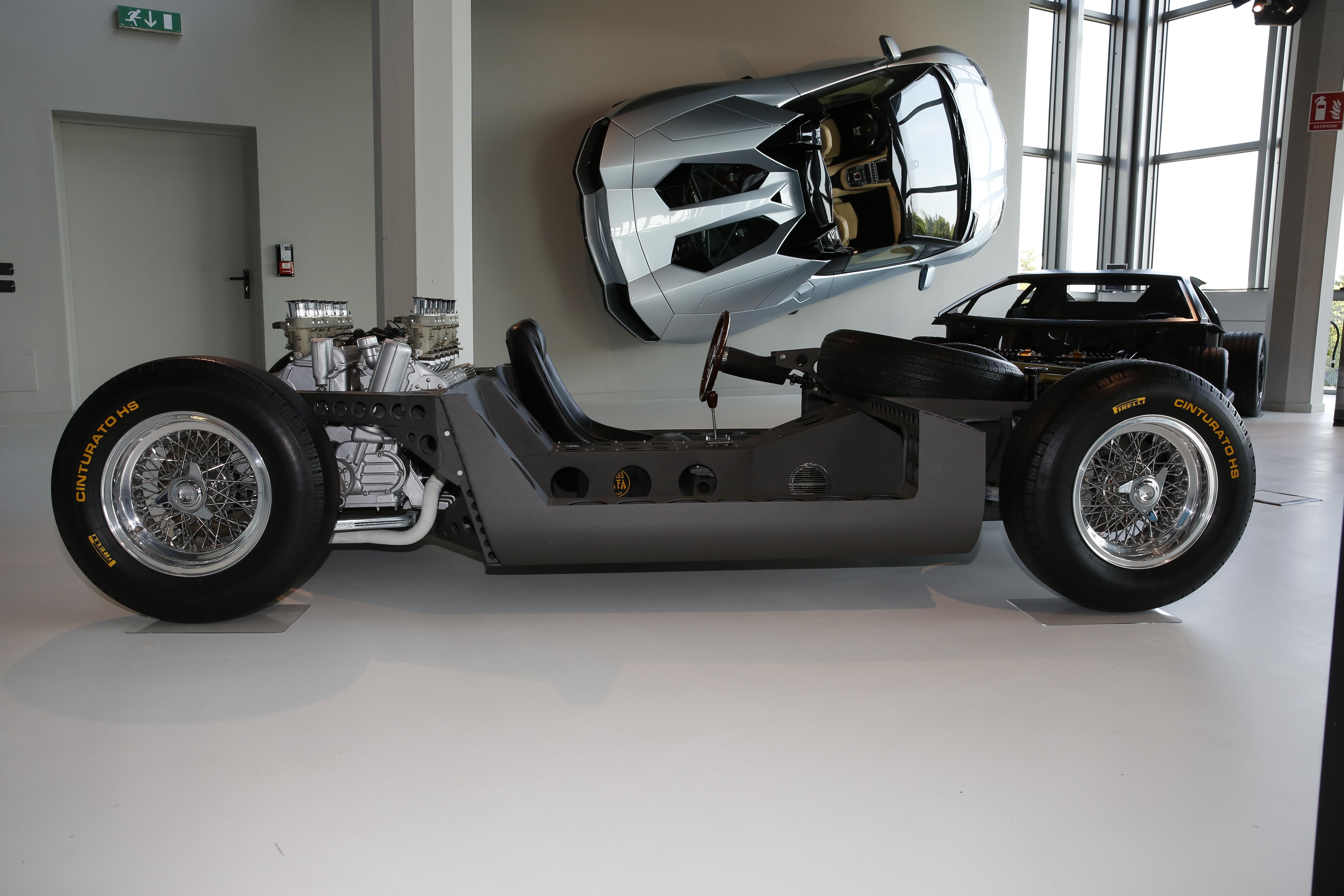
As Automobili Lamborghini gears up to celebrate this milestone in 2026, one thing remains clear: the Miura indomitably altered the world of super sports cars beyond a doubt by establishing completely new paradigms of both style and performance. Indeed, history remembers it as the revolutionary genre defining motoring icon for which none other than renowned English motoring journalist L.J.K. Setright coined the term “supercar.”