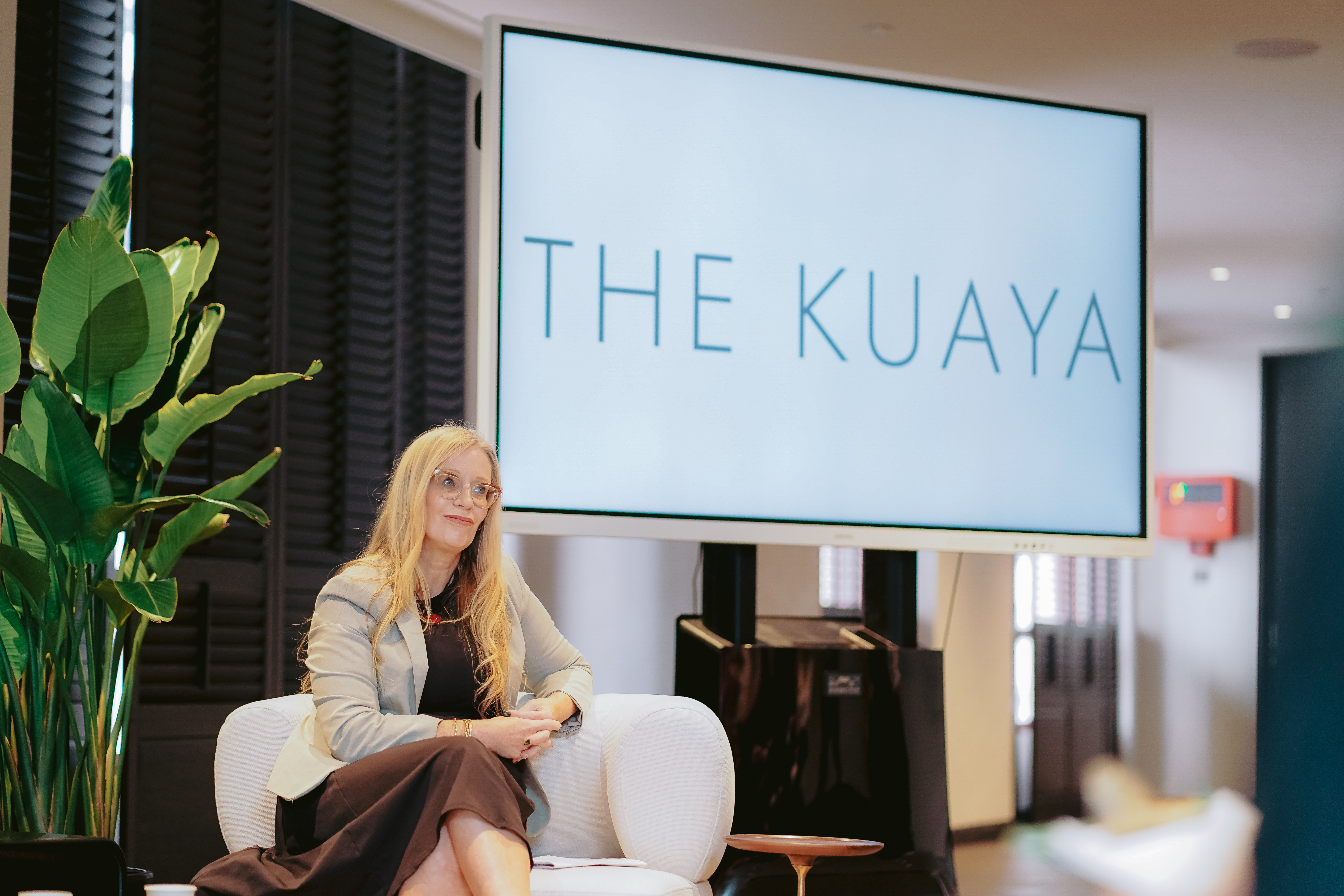
 For too long, the narrative around mental health in Malaysia has been reactive. It has been a conversation whispered in the shadows, oftentimes triggered only by a crisis, a breakdown, or an unignorable breaking point. We have treated the mind like a machine that is only serviced when it stalls, rather than a garden that requires consistent tending.
But a quiet revolution is taking place on the 6th floor of Faber Imperial Court. With the launch of The Kuaya, the script is being rewritten. The prevailing insight here is profound yet simple. True resilience isn’t about how much weight you can carry alone; it’s about knowing where you can safely put it down.

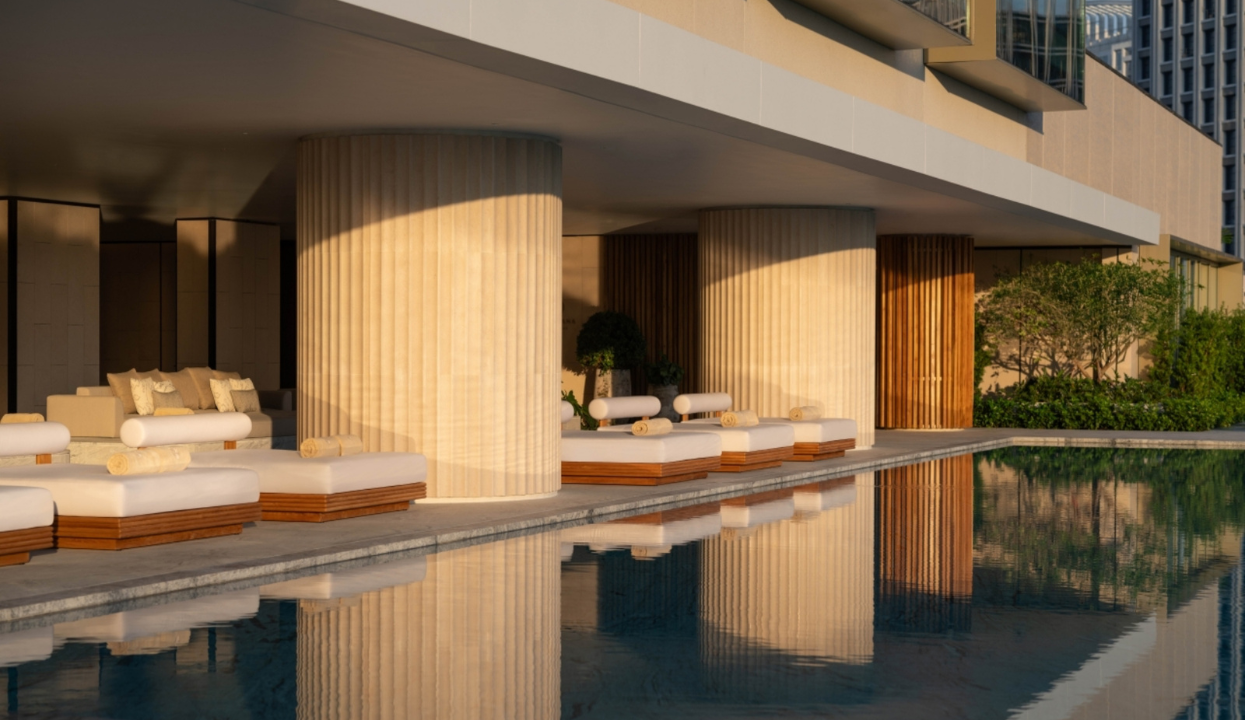
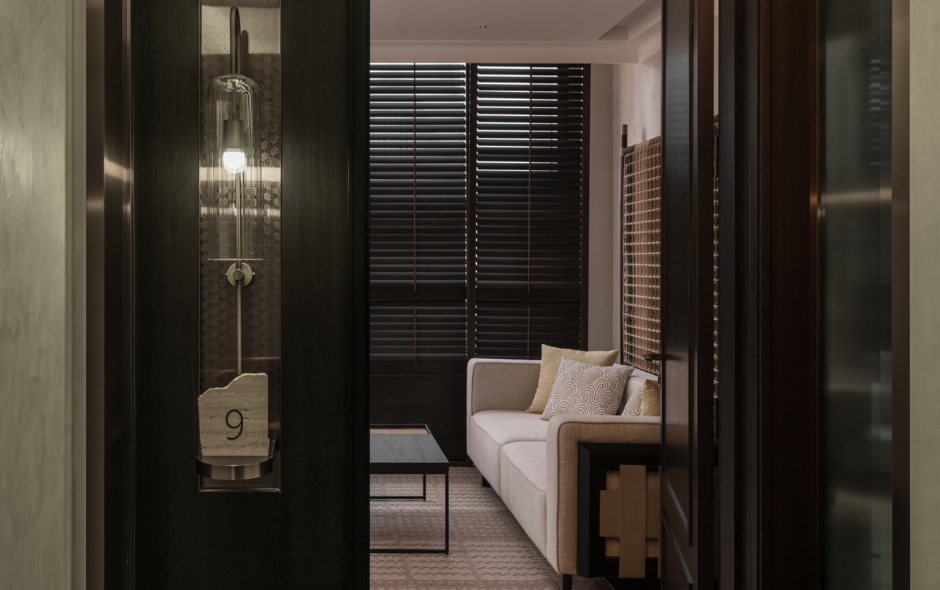
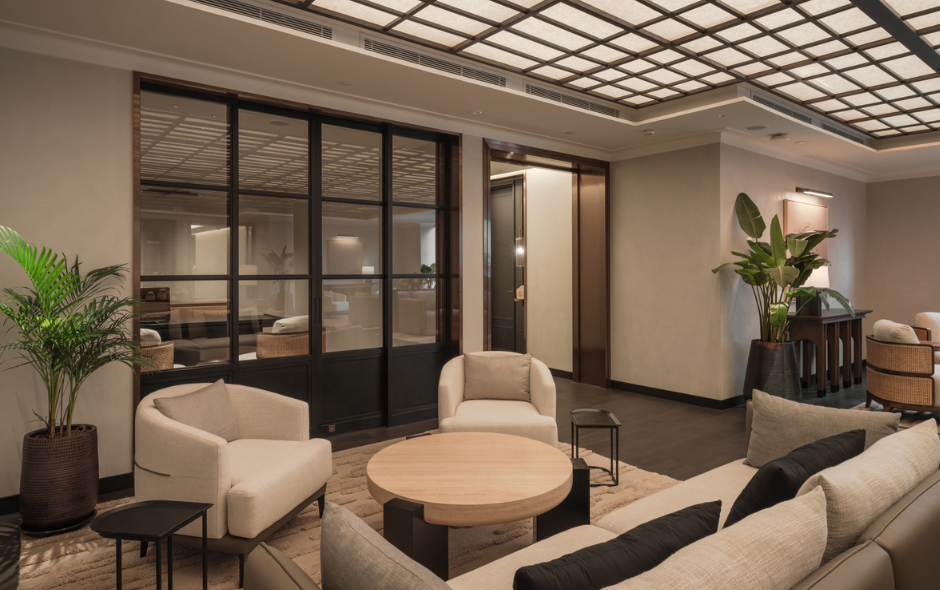
Imagine walking into a space that feels less like a medical facility and more like a curated sanctuary. The traditional image of a mental healthcare facility of sterile white walls, fluorescent lights, and the subtle anxiety of a waiting room often acts as a barrier to seeking help.
The Kuaya challenges this by prioritizing psychological safety through design. By creating an environment of soft lighting, natural materials, and muted tones, the center acknowledges a critical biological truth. Our nervous systems cannot heal when they are on high alert. For clients, particularly those with neurodivergent traits or heightened anxiety, the physical environment is the first step of the therapy. This “residential” approach signals to the brain that it is safe to unmask and unwind.
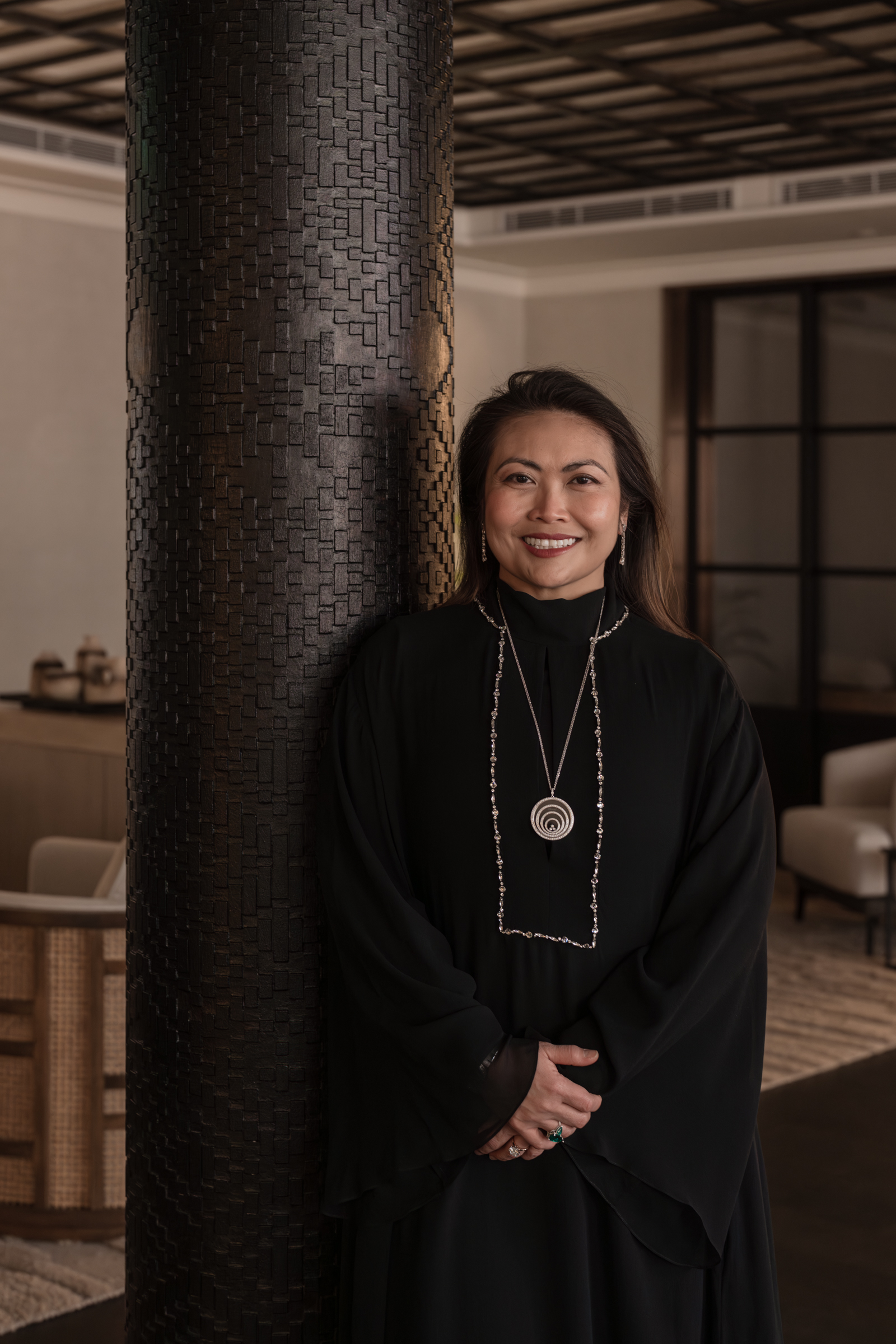
One of the most compelling insights driving The Kuaya is the recognition of who actually needs care in modern Malaysia. As CEO Siti Hajar Onn notes, “The people we serve are often the ones others rely on.“
These are the leaders, the parents, and the pillars of the community. They are high-functioning individuals navigating the complexities of corporate leadership, family restructuring, or the realization of late-diagnosed ADHD. The Kuaya normalizes the idea that mental wellbeing is an investment, not a repair job. Just as successful people invest in personal trainers for physical longevity, The Kuaya positions psychological support as a tool for long-term capacity building and professional sustainability.
The hesitation to seek help in Asia often stems from two fears: that the care will be too cold and clinical, or that it will lack professional depth.
The Kuaya bridges this gap by marrying Western clinical governance with Asian hospitality. Developed in association with The Soke (UK), the centre employs a governance framework rated “Outstanding” by UK regulators. However, this rigour is delivered with the discretion, warmth, and non-judgement that define Asian values of care.
Whether it is a child undergoing a neurodevelopmental assessment or a CEO managing burnout, the care is multidisciplinary. Psychiatrists like Dr. Azhar Salleh and Dr. Siti Nordiana Dollah work alongside clinical psychologists and psychotherapists to ensure that every aspect of a person—biological, psychological, and social—is understood.
Perhaps the most inspiring aspect of this new narrative is the belief that healing is not an isolated act. Through The Kuaya Foundation, the centre ensures that the pursuit of private wellbeing contributes to public good. With a portion of every session fee directed toward community mental health initiatives, clients are participating in a cycle of care that extends beyond the therapy room.
The launch of The Kuaya invites us to ask a different question. Instead of asking “What is wrong with me?“, we are invited to ask, “How can I be supported to live more fully?” It is a move away from silence and stigma, toward a culture where seeking clarity and calm is seen as the ultimate act of self-respect.