The Lamborghini Fenomeno was a definite star of this year’s Monterey Car Week, presented in a few-off limited edition of just 29 examples celebrating the marque’s unique heritage of highly exclusive ne plus ultra flagships combining highly innovative technical performance solutions with uniquely iconic design work by Lamborghini Centro Stile, founded almost 2 decades ago when it presented the first supercar designed entirely in-house at Sant’Agata Bolognese.

That car which started this tradition was none other than the Murcielago-based Reventón & its SV-engined Roadster variant, bringing Lamborghini’s stealthy military aeronautic inspired design DNA to life for the very first time. They were quickly followed by the ultra lightweight track only Sesto Elemento composite technology demonstrator, Le Mans prototype influenced Veneno LP 750-4, Centenario, Sián FKP 37, and latterly the Countach LPI 800-4 paying homage to its iconic predecessor that graced many a teenage boy’s bedroom wall. Now comes the Fenomeno as the newest member of that incredible lineage, named as per Lamborghini tradition after a bull famed for its 2002 fight in Morelia, Mexico. In that exchange involving two ‘toreros’, the bull’s demonstration of exceptionally courageous qualities led to it being pardoned in line with the rare indulto tradition of Spanish bullfighting.




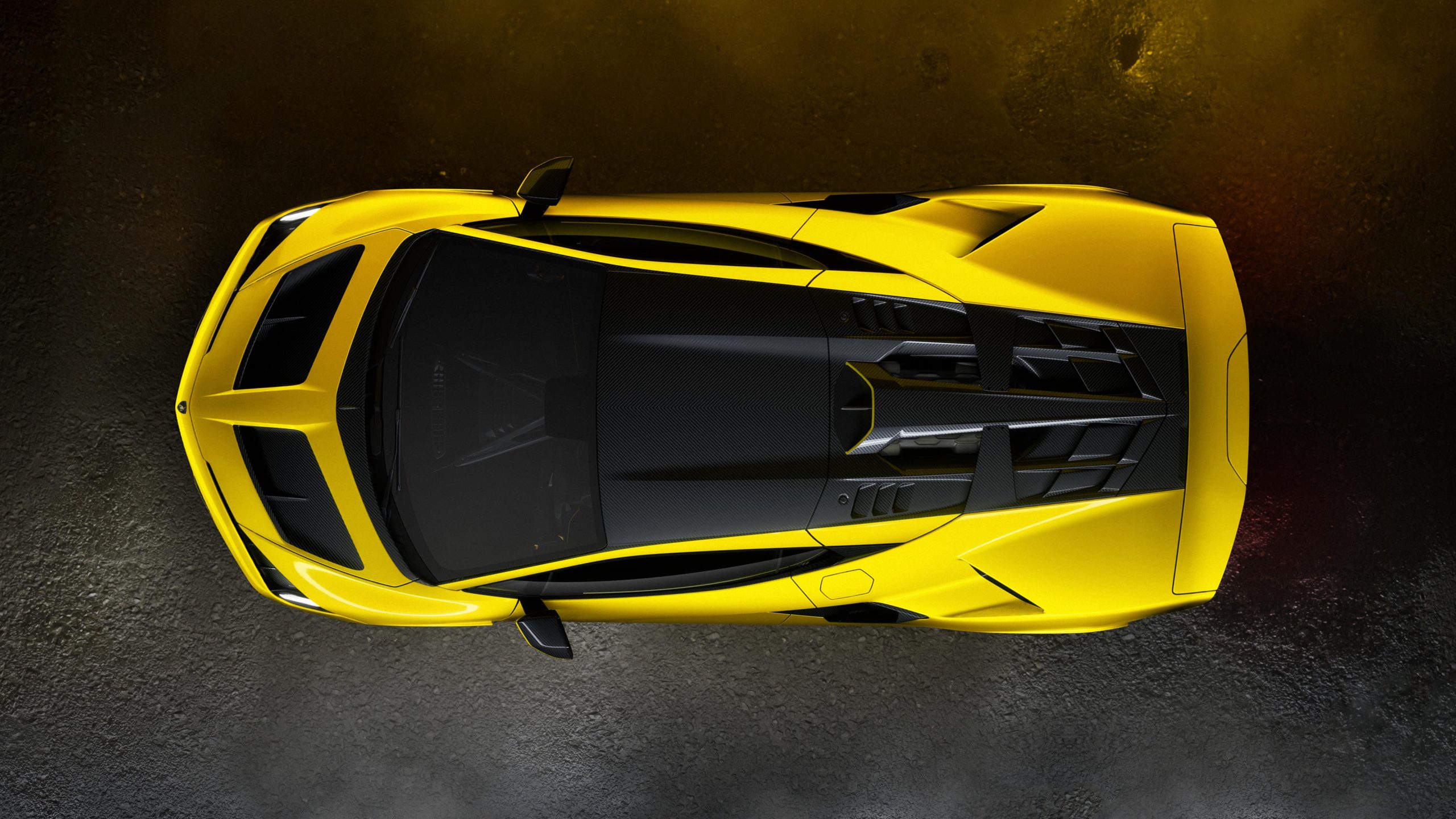
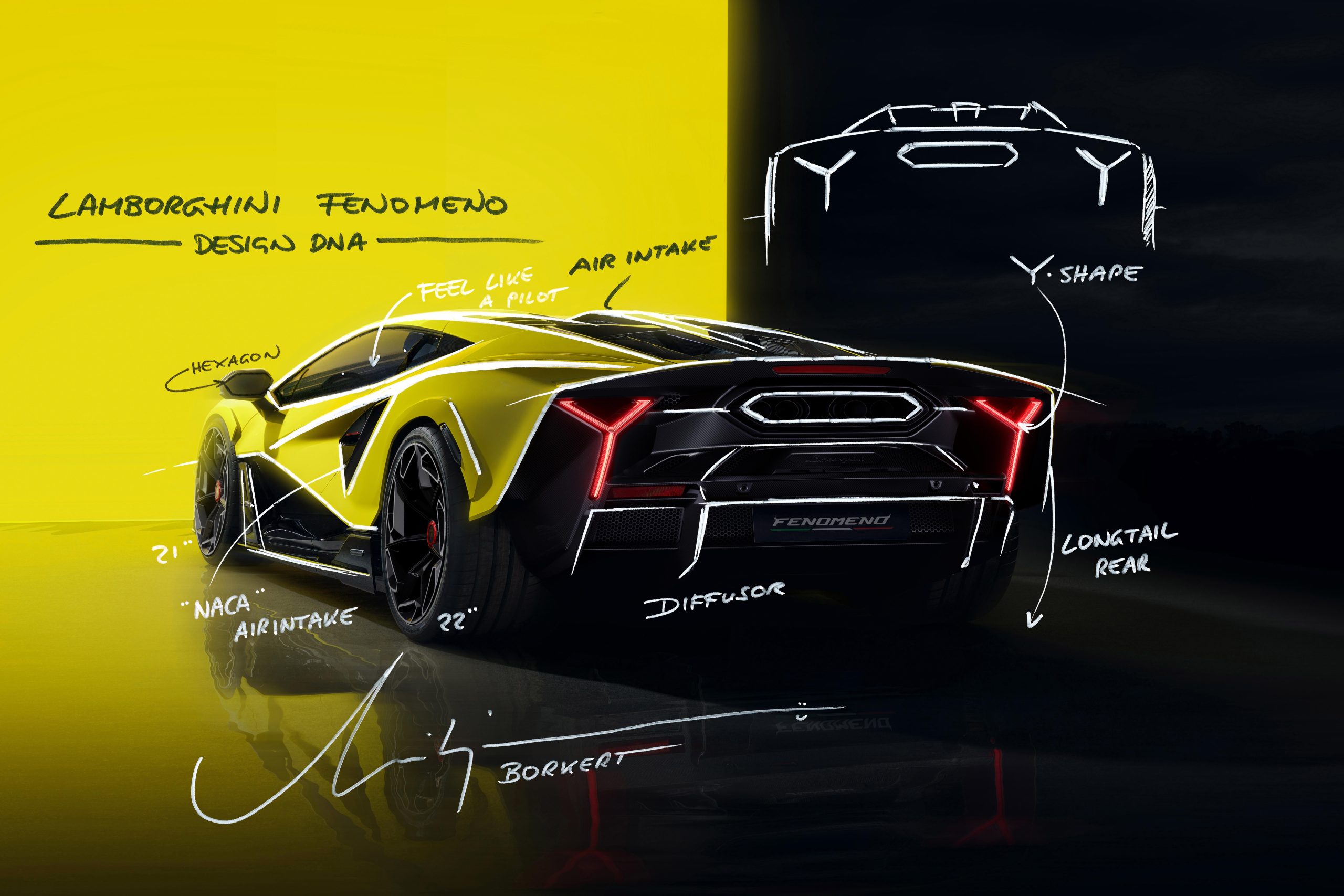
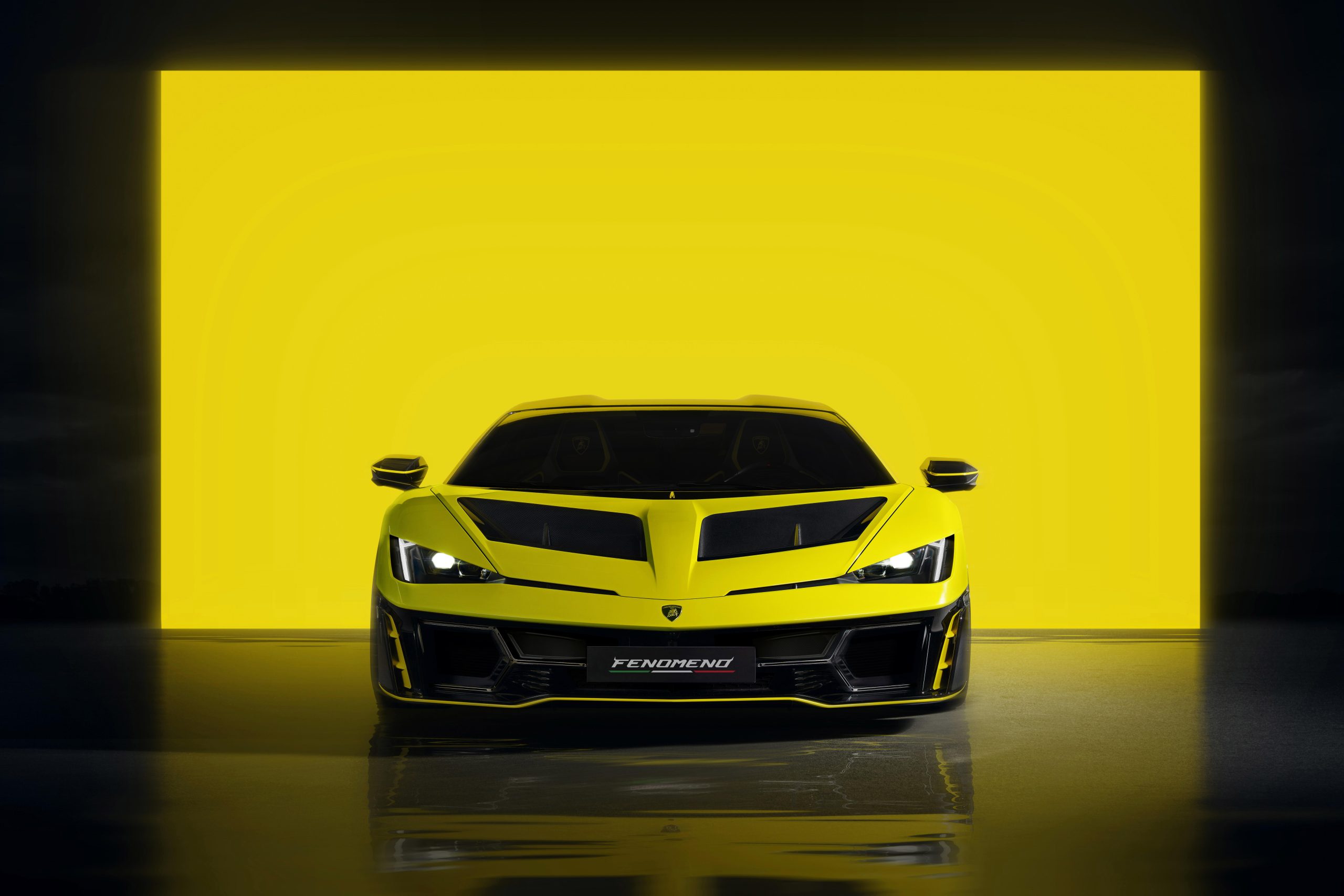
Its overall design blends highly elegant longtail supercar proportions with Lamborghini’s immediately familiar visual DNA, defined by the single center line silhouette, a futuristic appearance from all angles, and functionally pure body lines. Viewed from the front, its boldly streamlined, athletic forward surfaces are immediately dominated by two sizable air outlets in the front hood. This is for the S-Duct system that increases frontal downforce loading by sucking air upwards from the underbody, then directing it towards the roof’s center via those hood outlets. This airflow is then directed by the roof’s concave profile both through the engine hood’s intake scoop for enhanced cooling, and onto the active rear wing to further increase high speed stability.

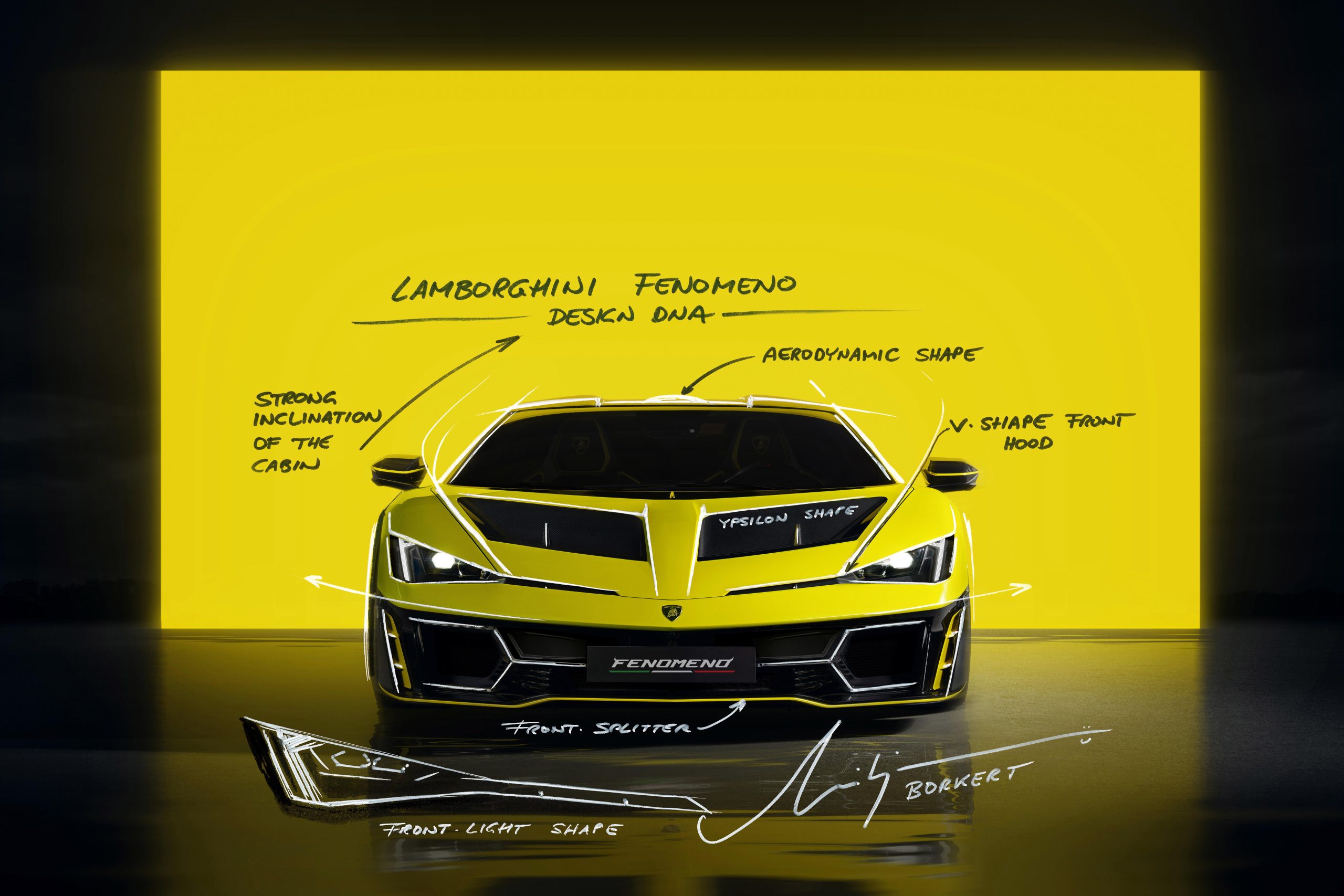
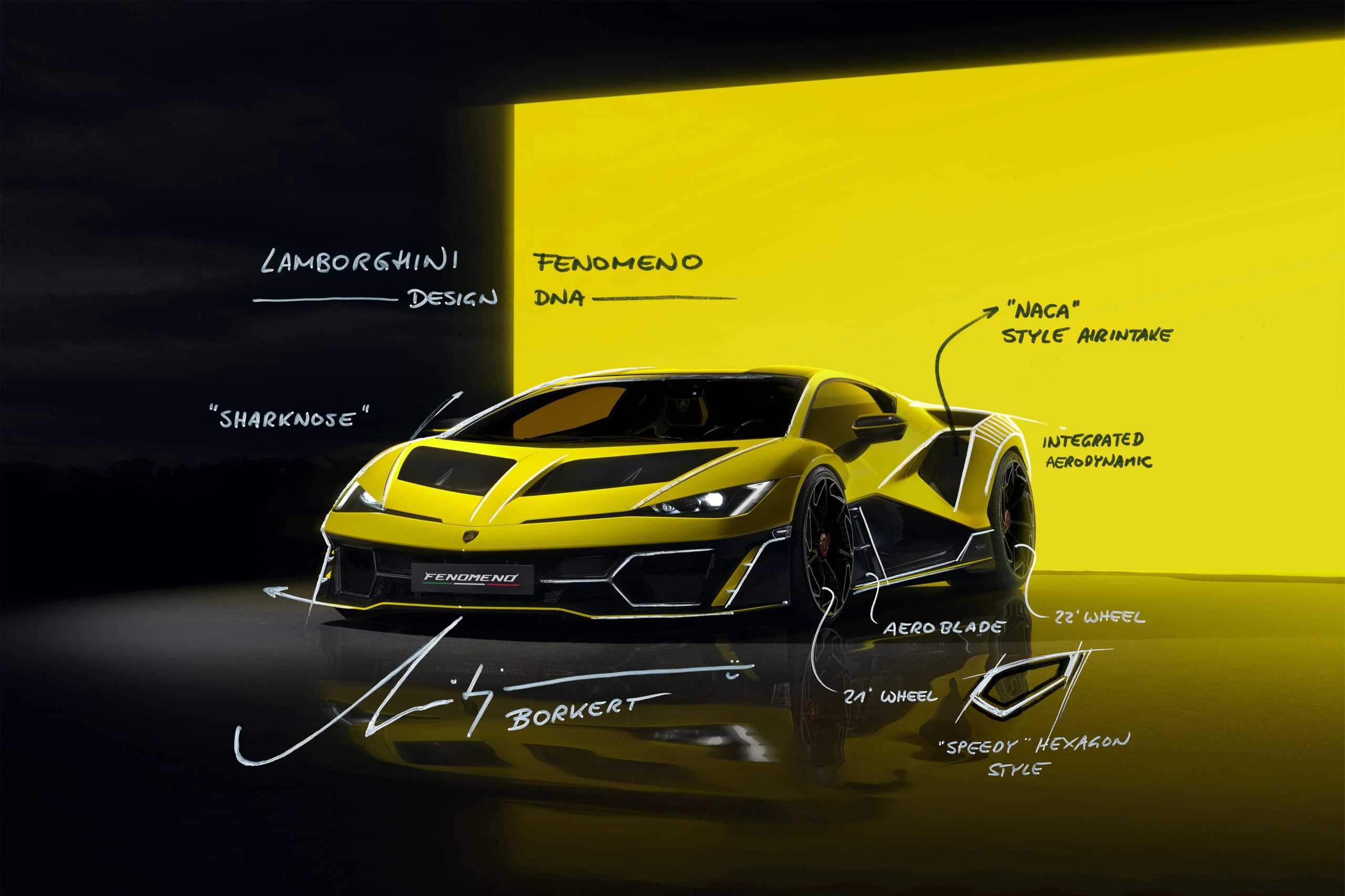
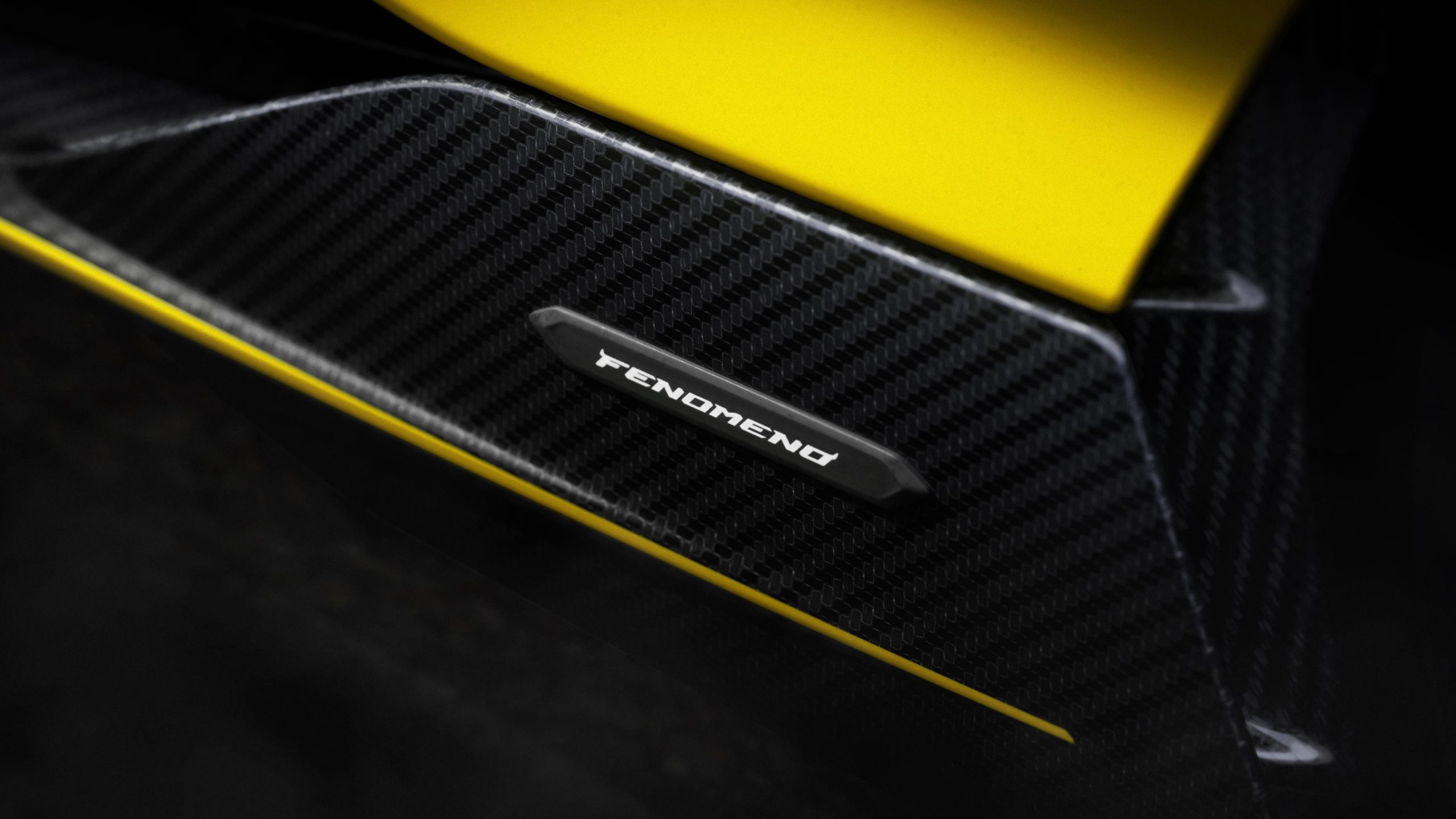
Formed from carbon fiber, the sharp front splitter is framed by lateral appendages that form air curtains around the front wheels at speed, directing the lateral airflow more towards the radiators for cooling while simultaneously reducing turbulence. The new side & door profiles play significant roles here too, with newly interpreted large NACA ducts directing more airflow into the side radiator intakes for better engine compartment cooling. Overall, these adaptations result in lateral cooling that’s 30% more efficient than the Revuelto on which the Fenomeno is based.
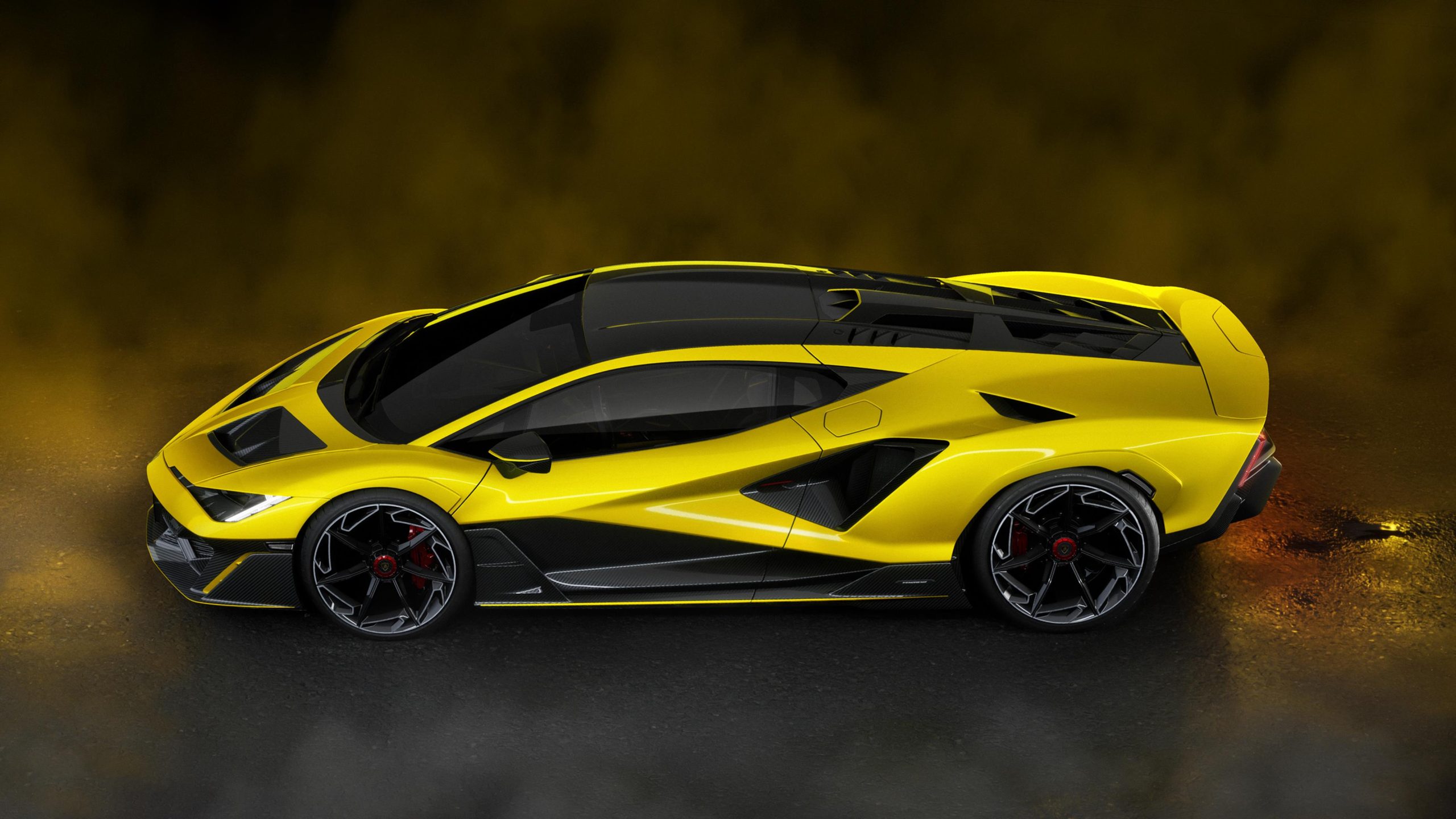
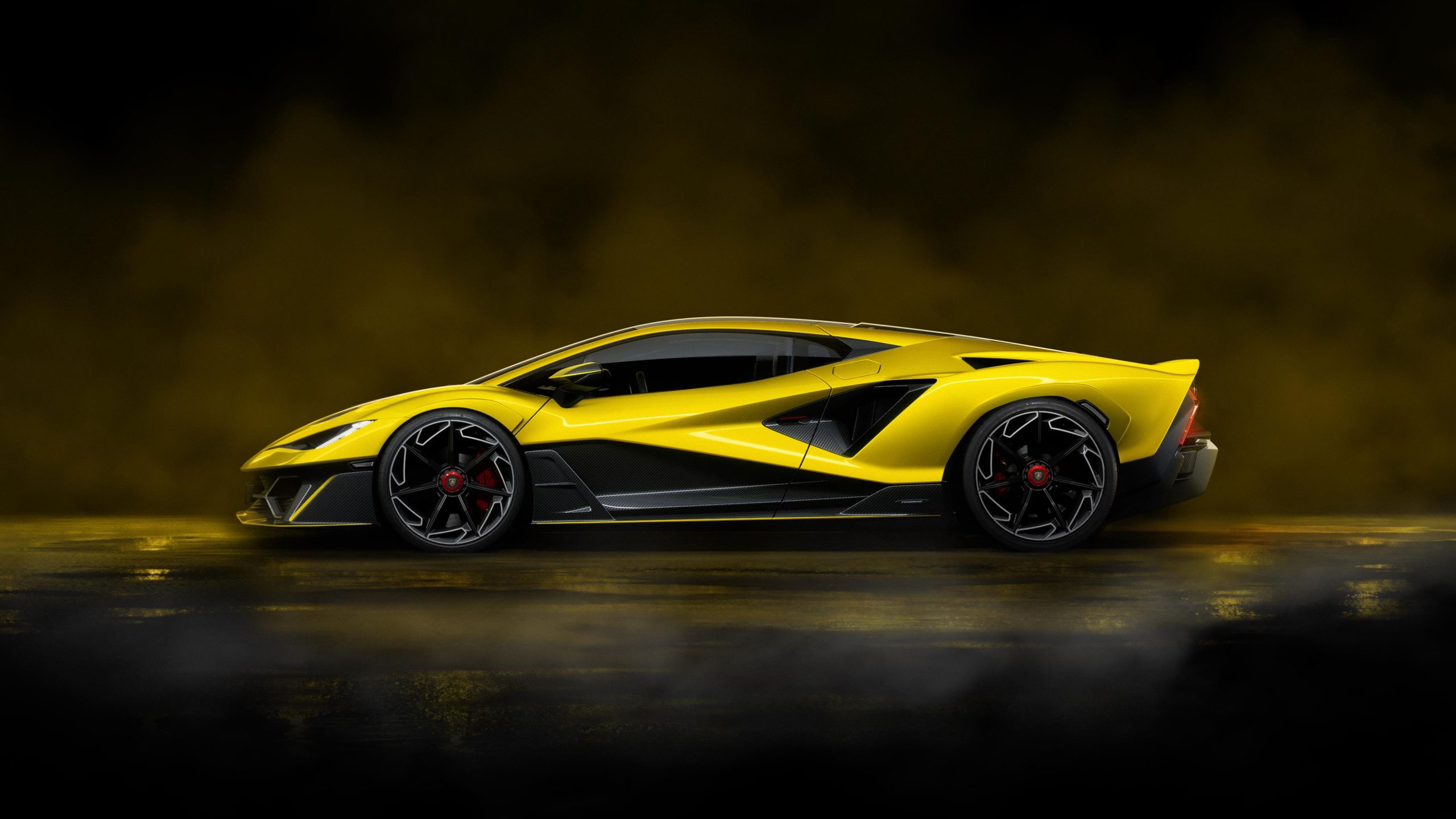


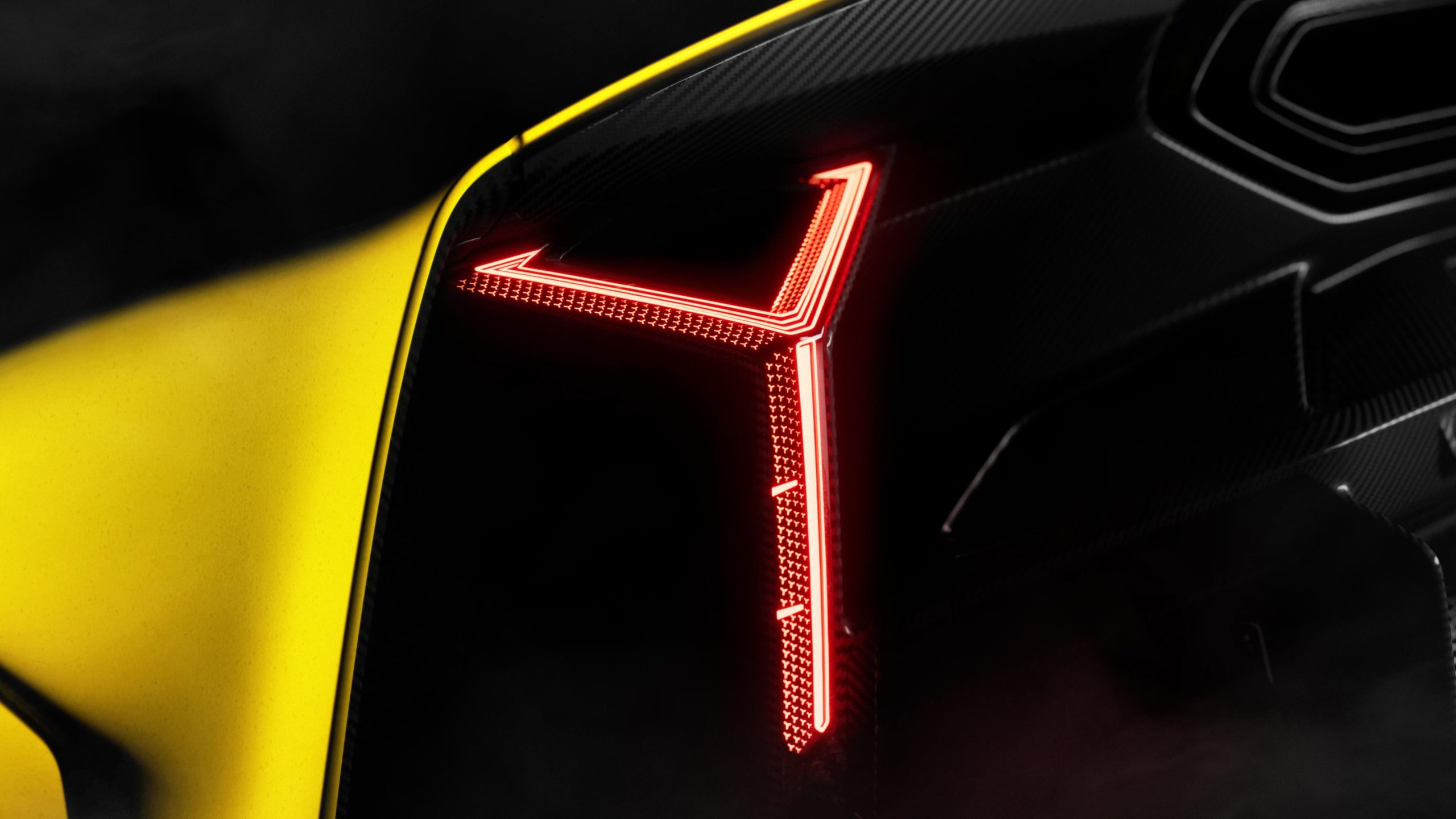
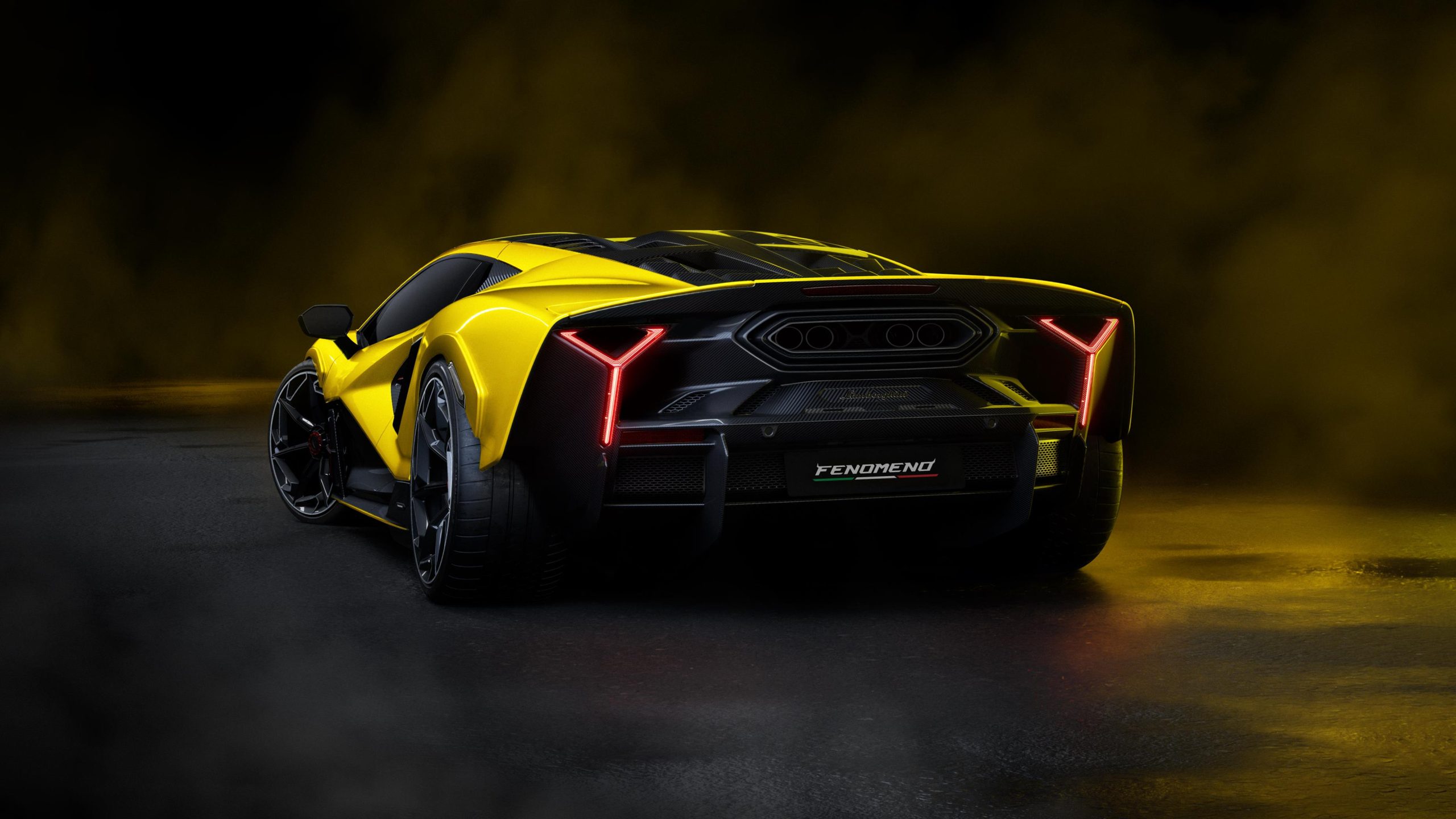
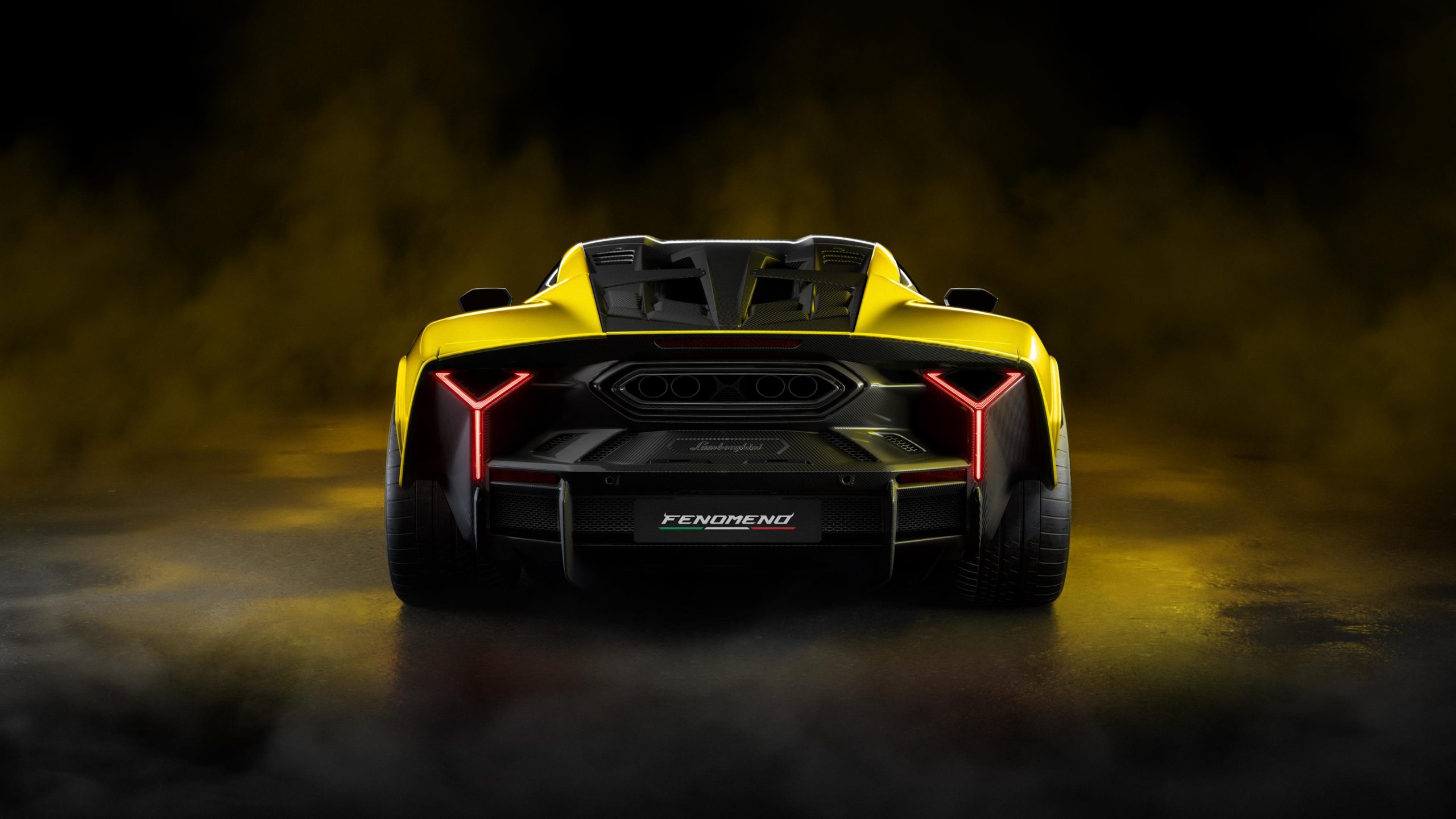
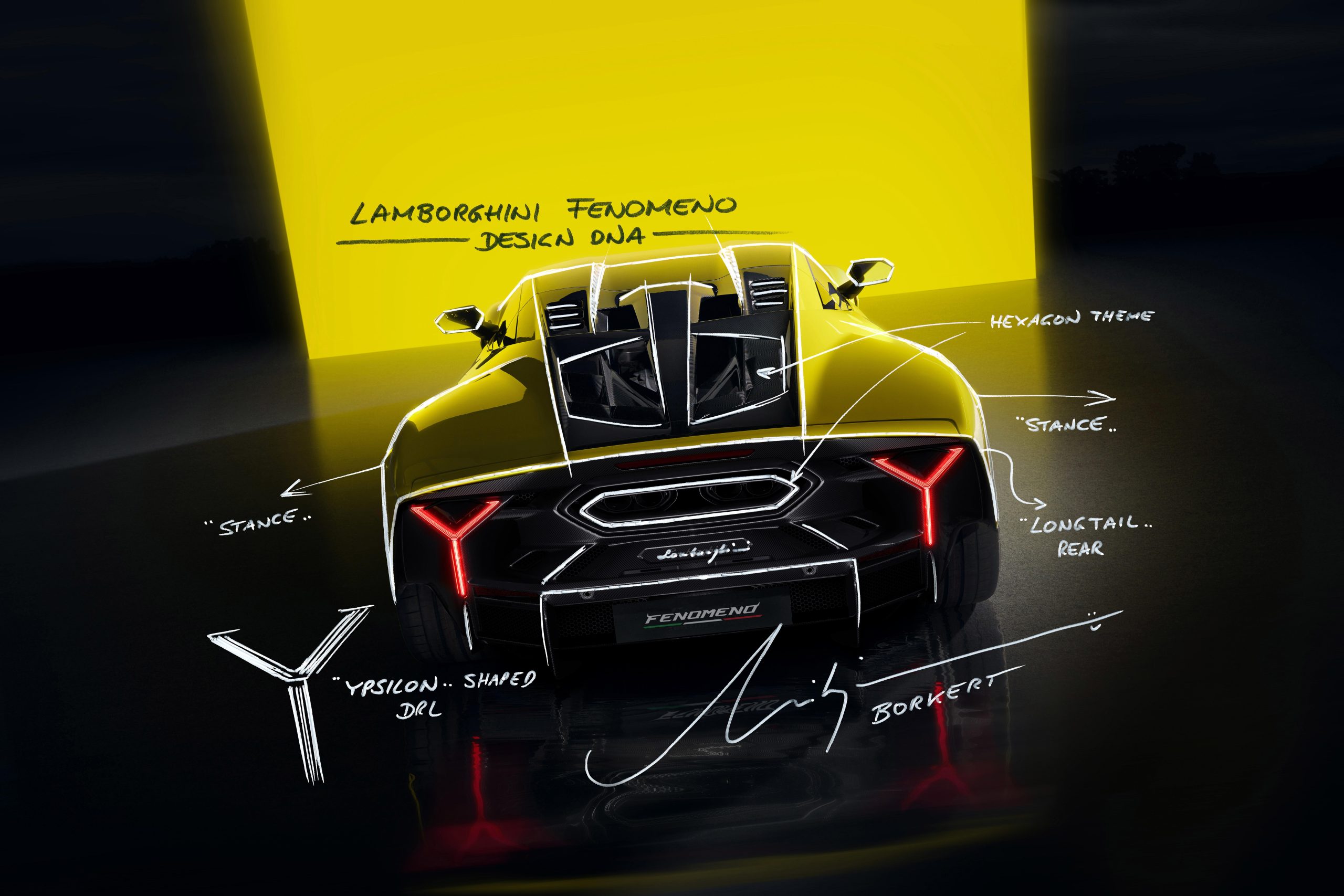
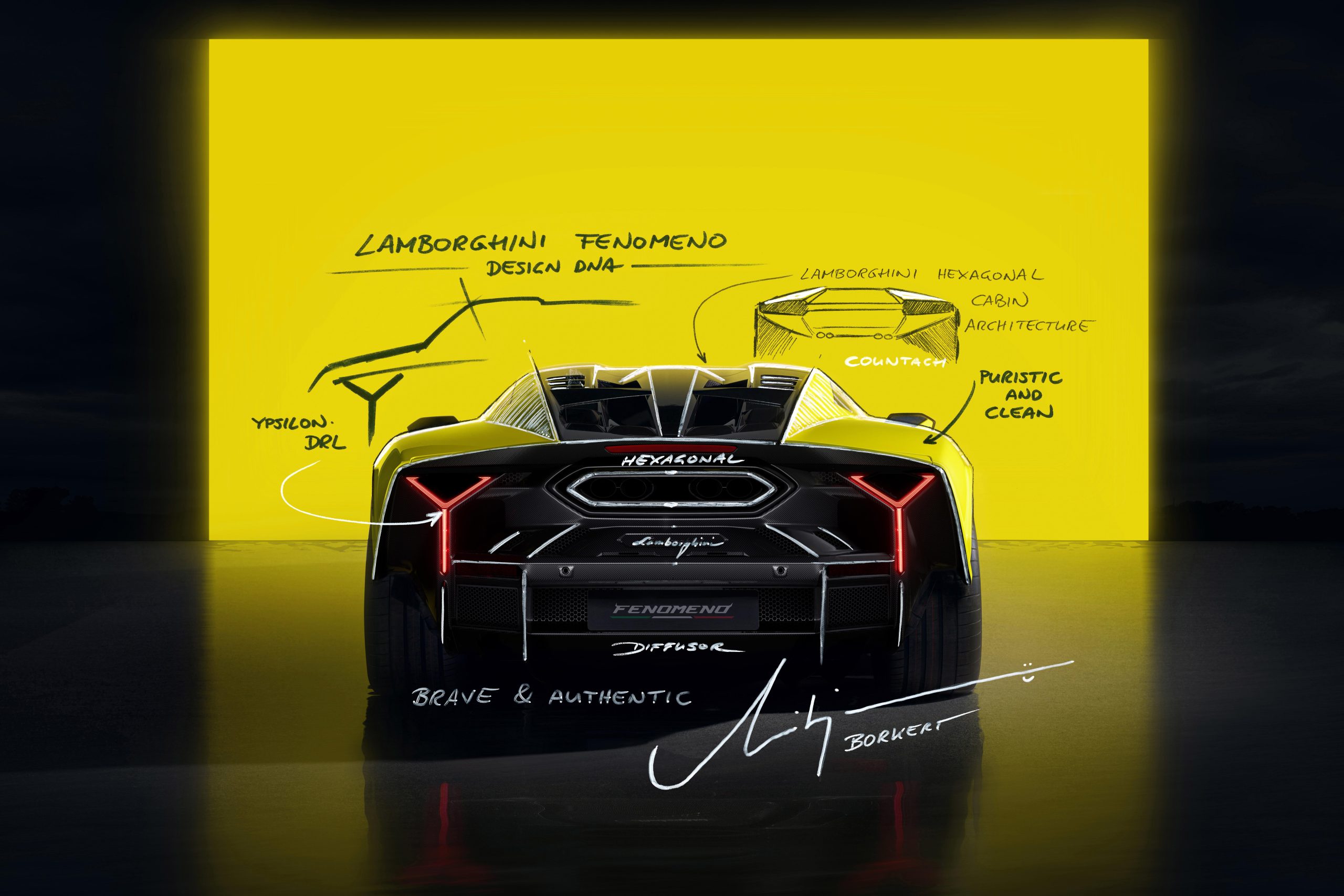
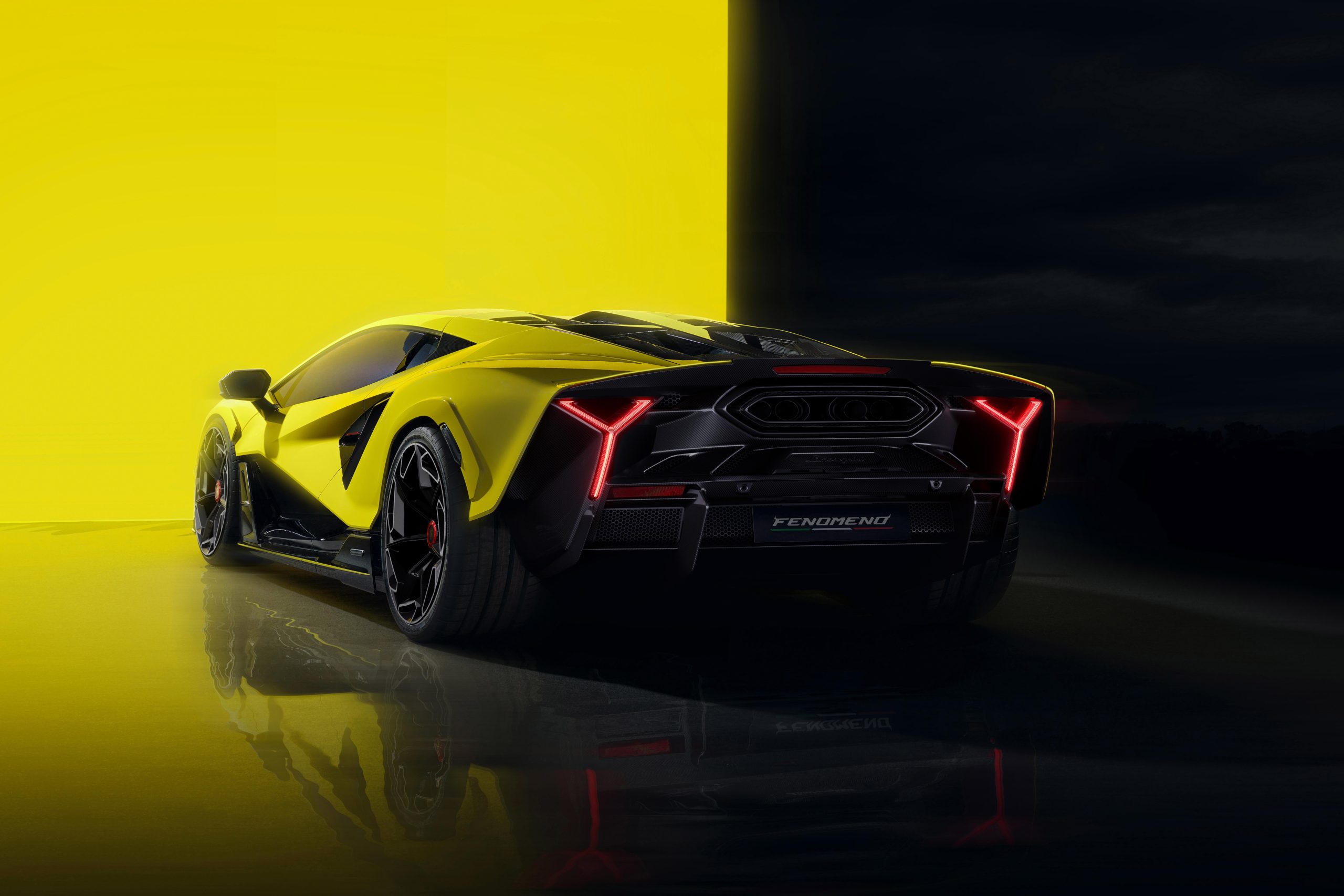
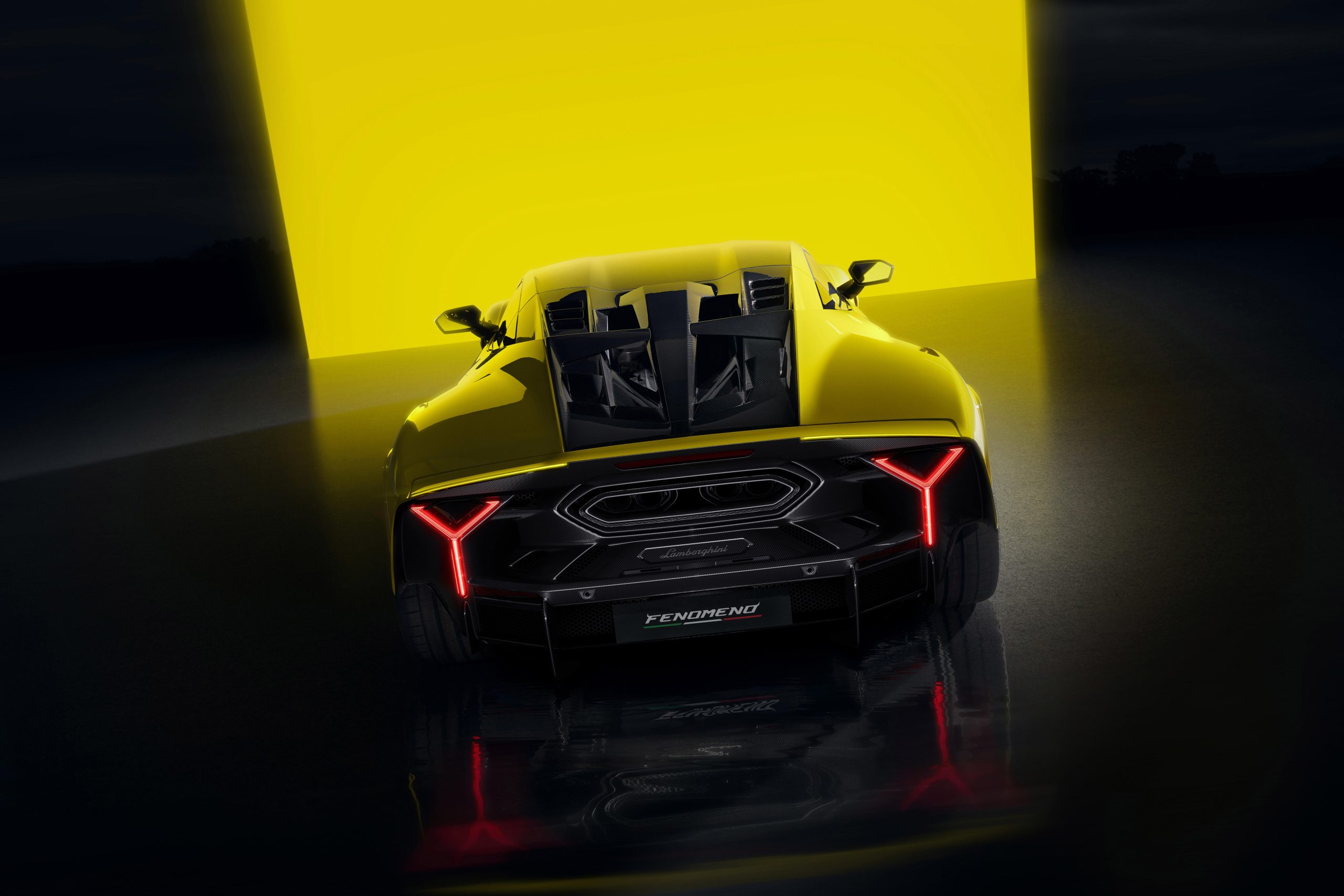
Viewed from the rear, a single seamless line connects its wing and wheel arches to clearly delineate a visual boundary. Meanwhile, vertical Y-shaped tail lights futuristically reinterpret this iconic Lamborghini visual element, while joining the rear diffuser’s carbon fiber elements to frame the exhaust terminal’s visually dominant hexagonal form.
At first glance, the Fenomeno’s interior architecture appears largely similar to that of the Revuelto. However, it does set itself apart with much more carbon fiber used to form parts of the center console, its door panels and, most significantly, the fabulously thin-shelled lightweight sports bucket seats. These are specifically exclusive to the Fenomeno, as are the 3D printed carbon fiber air conditioning vents.
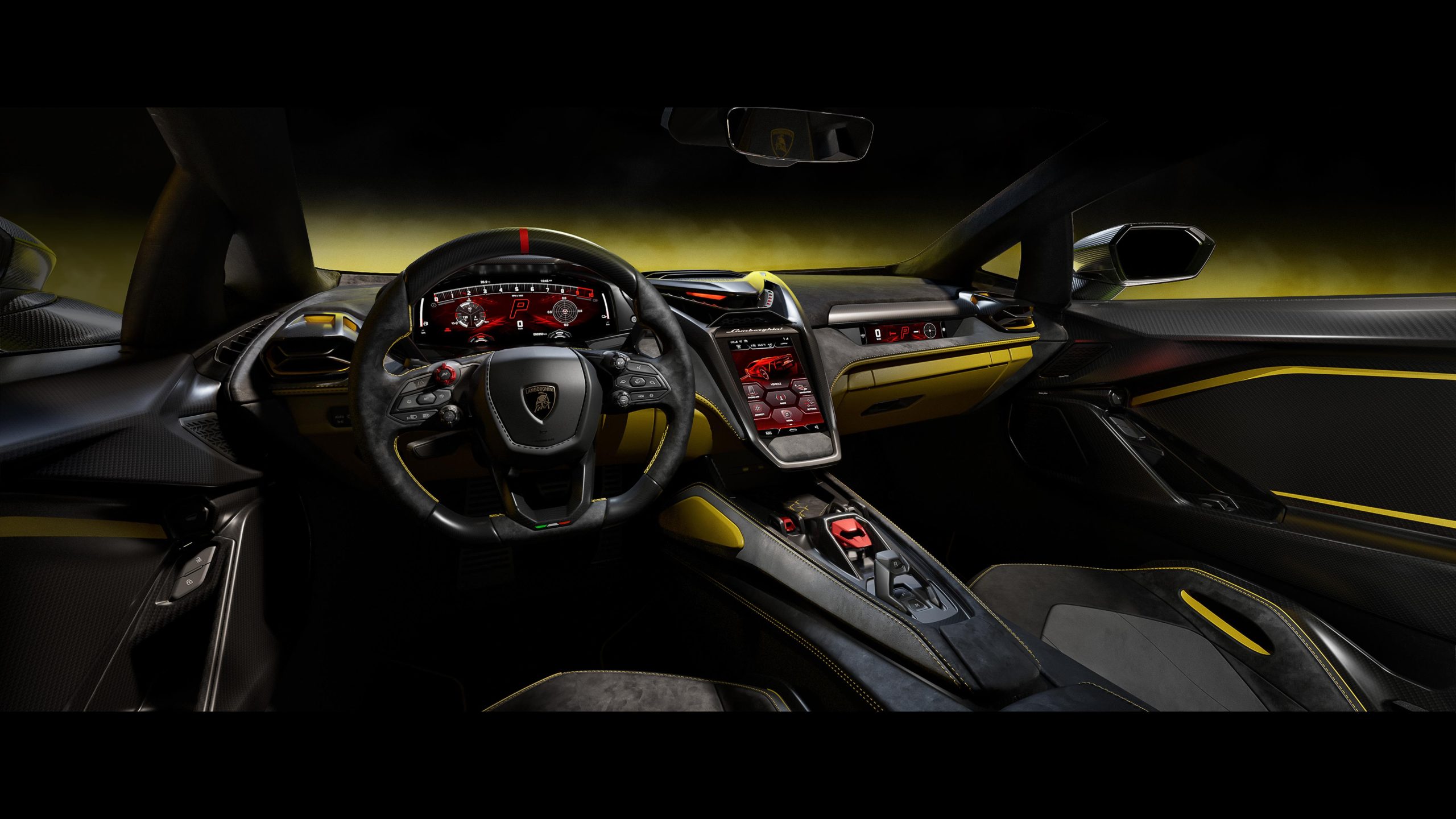
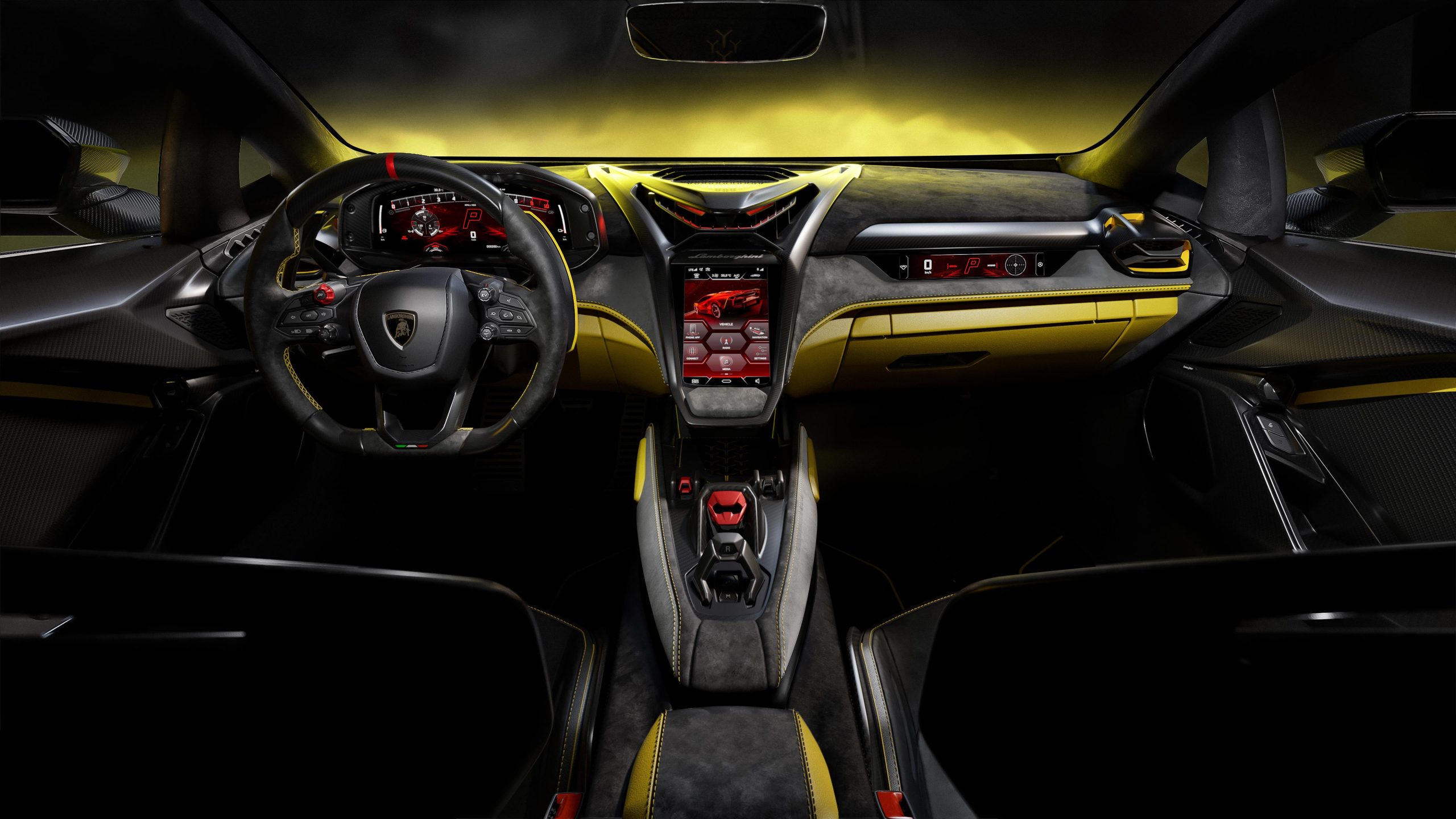
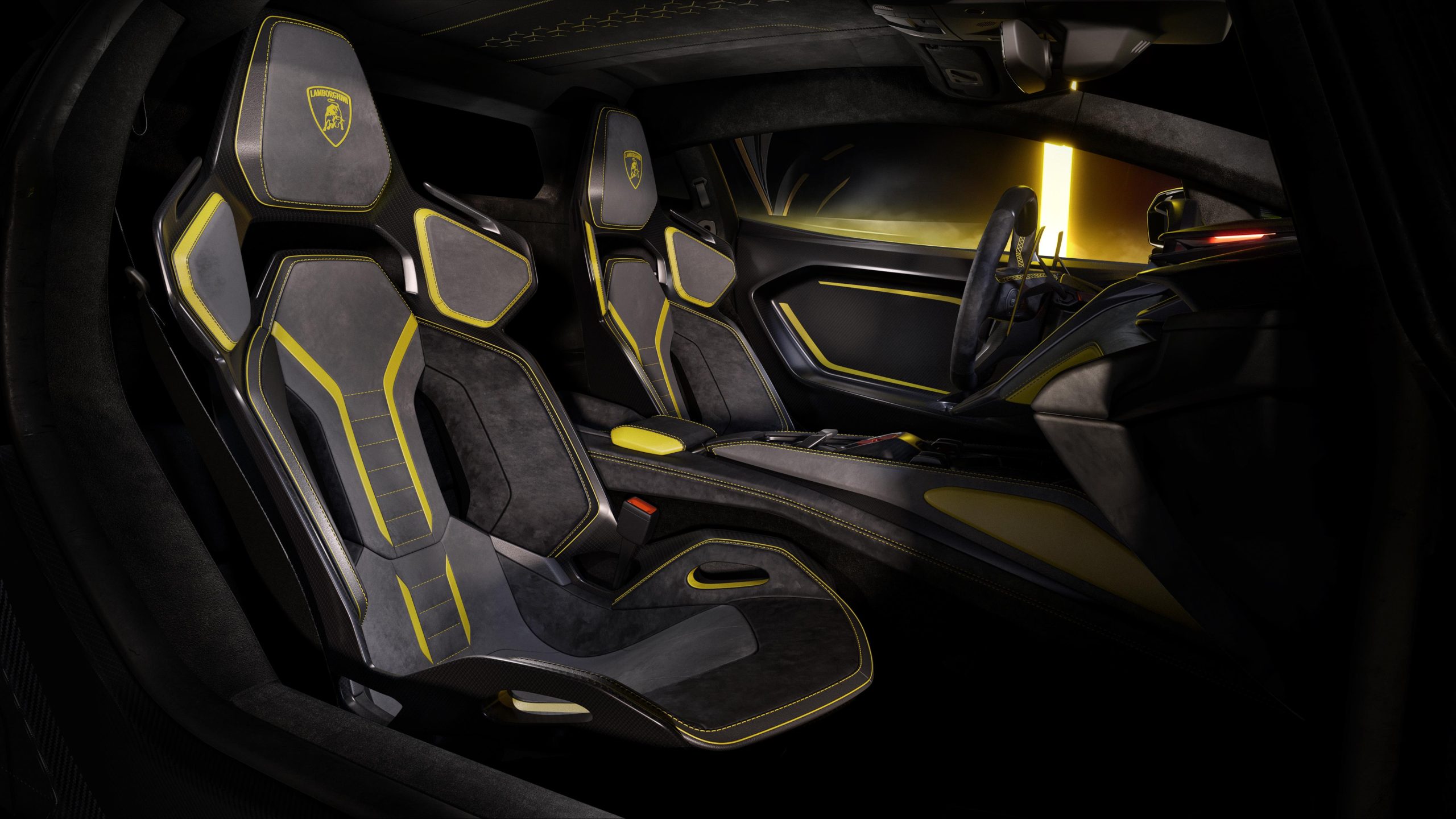
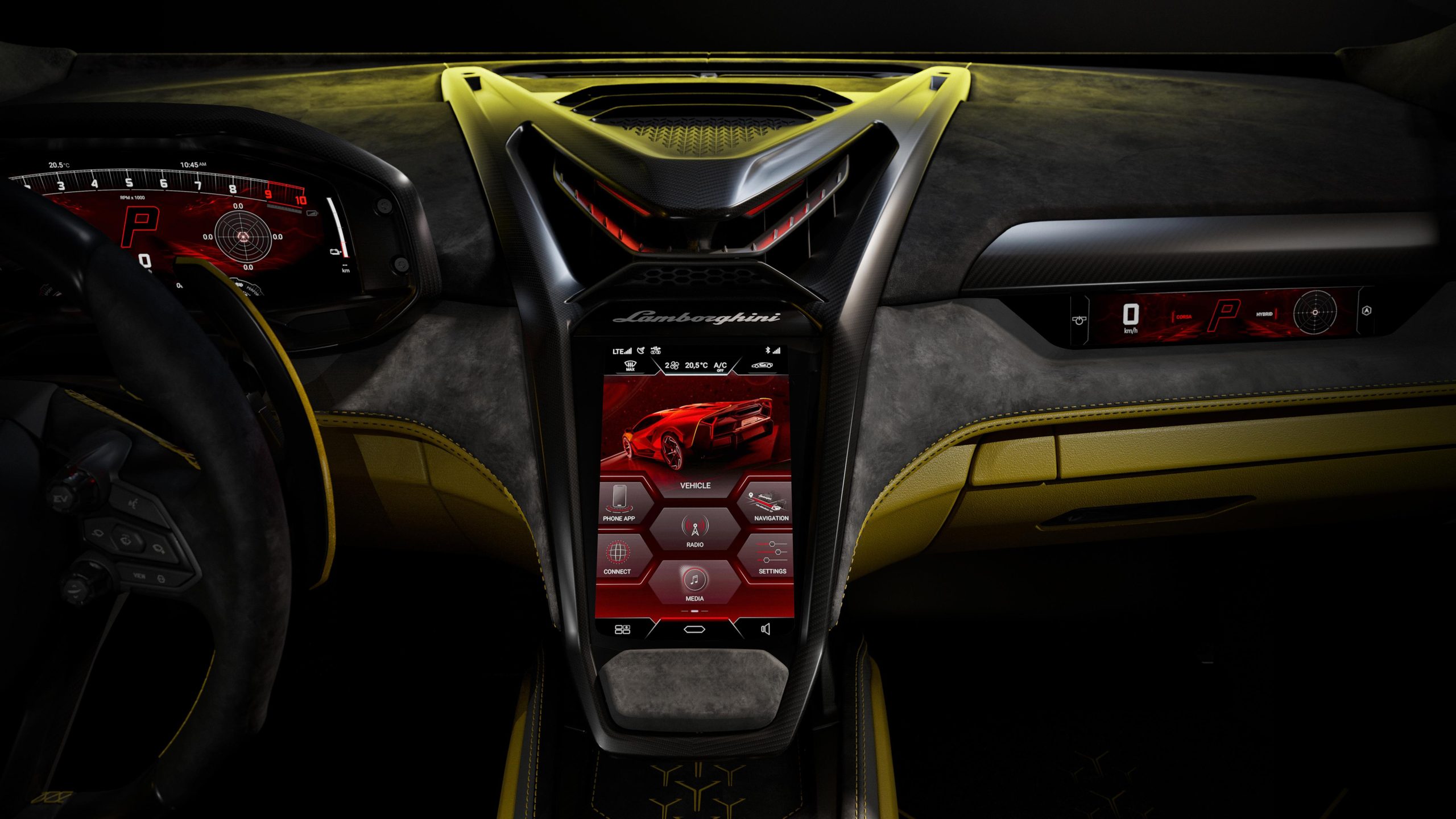
Built from multi-technology carbon fiber, its groundbreaking aeronautics-inspired monofuselage chassis also boasts a Forged Composite® front structure specially constructed using short carbon fibers soaked in resin. Initially used to form various elements of the Sesto Elemento’s chassis & cabin, this material enables the precise manufacturing of more complex technical forms than traditional carbon fiber while featuring much greater torsional strength; almost equivalent to titanium, in fact.


Housed within that architecture, if the Fenomeno powertrain combination of a naturally-aspirated 6.5-liter V12 engine with three electric motors sounds familiar, that’s because it too was sourced from that of the Revuelto. Output has been significantly increased however, with the V12 benefiting from a redesigned valvetrain & optimized ECU programming to now deliver 835 hp at 9,250 rpm; while maximum torque remains 725 Nm at 6,750 rpm.

With the 3-motor hybrid system also delivering greater boost than before, total combined output is now 1,080 hp; a not inconsequential 65 hp more than the Revuelto. The greater electric power comes from a much larger, upgraded 7 kWh battery newly developed for the Fenomeno; squeezing it into the same space that housed the Revuelto’s smaller 2.8 kWh item without any physical alterations was no mean feat indeed.


That’s not all: the Fenomeno’s cornering talents and repertoire of driving thrills have also been further improved, thanks to the adoption of manually adjustable racing shocks that can be calibrated for the perfect fast road or track setup. A greater ratio of travel between the wheels & shock absorbers allows them to work with even greater precision, resulting in sharper handling responses especially during sporty driving.


Greater stopping power is provided by new CCM-R Plus brakes adapted from those of the SC63 LMDh race car, bringing Le Mans-level decelerative performance to the road. Manufactured in a 3D structure with long carbon fibers being incorporated into a carbon matrix, the disks therefore offer improved friction coefficients of friction, providing maximum braking stability, durability and consistent pedal feel even under extreme performance conditions including racetrack driving.
It’s all tied together by an innovative new 6D sensor that constantly measures the Fenomeno’s movements along lateral, longitudinal and vertical axes, along with its pitch, roll and yaw rates. Built directly into the Integrated Vehicle Estimator (IVE) stability control system with quicker reacting sensors, this enables it to predictively adapt dynamic responses according to the current speed, side slip angle & level of tyre grip right down at road surface level. Everything here should work together to make the Fenomeno a faster reacting car to its driver’s moves, feeling more agile and lighter on its feet than the quoted weight would have you thinking. Even so, at 1,770 kg its 610 hp per ton power-to-weight ratio trumps that of the hardcore racetrack oriented Aventador SVJ by a remarkable 105 hp per ton.

The Fenomeno isn’t likely to be any kind of slow then, while its upgrades run more than just skin deep unlike some other limited production Raging Bulls that have come before. The technical innovations developed for it will probably find their way into near future production Lamborghinis too, including the more sporting Revuelto that is all but a certainty going by the brand’s previous V12 model line-ups. Here’s hoping that the very fortunate 29 individuals who landed a chance to spend €3 million plus taxes on a Fenomeno will actually drive them & experience what it’s all about for themselves, rather than just having it sit in an air-conditioned garage.